





















Now Reading: Gen Z investors lost Rs 1.05 lakh crore, now 38% of India’s market
-
01
Gen Z investors lost Rs 1.05 lakh crore, now 38% of India’s market

Gen Z investors lost Rs 1.05 lakh crore, now 38% of India’s market

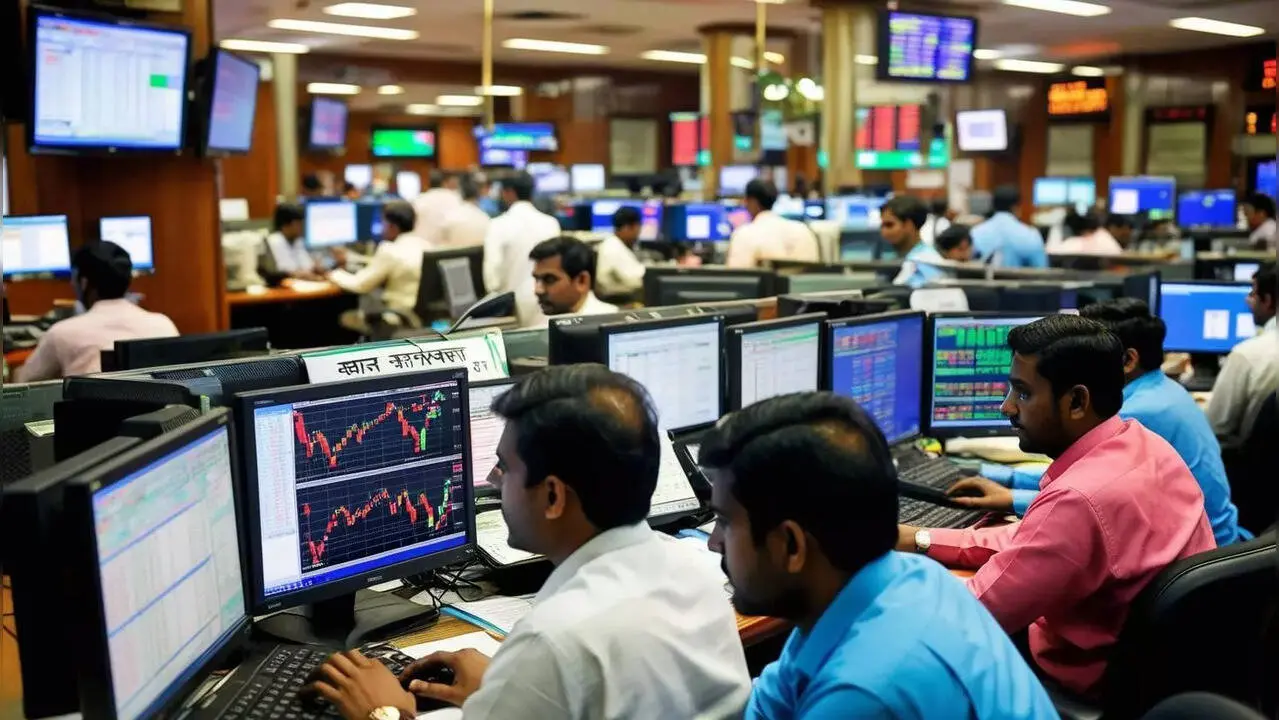
India's Gen Z investors, those under 30, have lost an estimated Rs 1.05 lakh crore in the stock market, according to an NDTV opinion piece citing unspecified reports. Investors under 30 now account for 37.9% of the total investor base, up from 23.5% five years ago, and 59% of all new registrations this financial year. The National Stock Exchange's Market Pulse report for June 2026 shows the median investor age has fallen from 38 in March 2020 to 33 now.
The piece attributes the losses to high youth unemployment, 29% among male graduates and 36.9% among female graduates, per the Periodic Labour Force Survey 2023-24, and the system's push toward market-linked savings like the National Pension System. It warns that gamified brokerage apps and unregulated "finfluencers" are driving young investors toward risky derivatives and small-cap bets. The government's 2025 ban on real-money fantasy sports and card games is cited as a factor pushing more youth toward equities.
RBI data shows the share of sub-30 investors jumped from 22.6% in March 2019 to 38.9% by July 2025. Demat accounts, estimated at 21.3 crore in November 2025, have likely crossed 23 crore by June 2026, with brokerages saying nearly three in four new accounts belong to investors below 30. The opinion argues that the trend is becoming "the market's centre of gravity" but offers no counter-framing from market regulators or industry bodies.
Indian Opinion Analysis
The opinion piece paints a stark picture of Gen Z investors as desperate and systemically led into risk, but it glosses over the agency and financial literacy efforts many young traders actually pursue. It rightly flags finfluencer risks and gamification, yet it understates the role of market cycles: many young investors entered during a prolonged bull run, which distorts risk perception. The Rs 1.05 lakh crore loss figure is dramatic but unattributed to a specific study or period, making it a rhetorical anchor rather than a verified data point. Watch for SEBI's next move on finfluencer regulation and the Q1 2026 derivatives data for a concrete check on this trend.
Sources (2): ndtv.com, ndtv.com (2)
This story was synthesised by AI from the 2 sources linked above. Methodology and corrections.
Updated: this story now draws on 2 sources.