










Now Reading: Gen Z tourist slams jawans at Ladakh checkpoint, later apologises
-
01
Gen Z tourist slams jawans at Ladakh checkpoint, later apologises


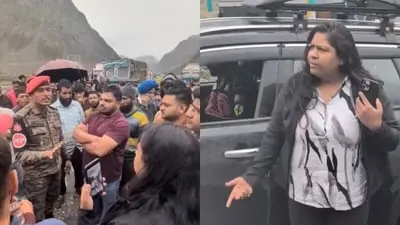
A woman identified as Gen Z clashed with Indian Army personnel at a checkpoint in Dras, Ladakh, telling them 'our taxes pay your salary'. The temperature was -15°C at the time. She later apologised after video of the exchange went viral.

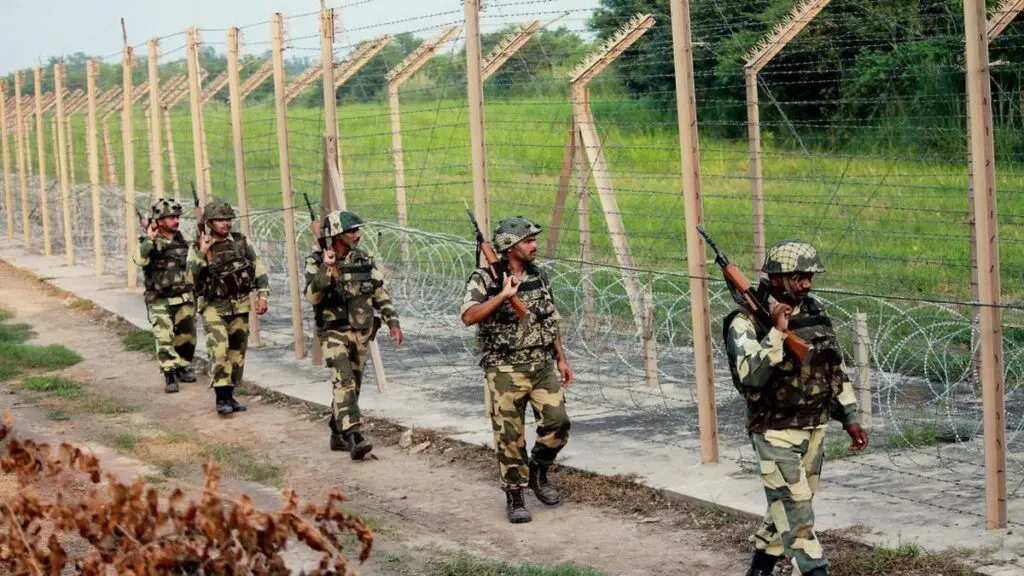
The soldier standing guard was performing duties at one of the country's most sensitive border posts. Armed Forces personnel also pay income tax, GST and other taxes on their salaries like all citizens, observers pointed out. The columnist argued that soldiers pay an additional 'tax': youth spent away from family, children's milestones missed, and exposure to extreme cold and enemy fire.
The incident has revived debate about civilian attitudes toward security forces at high-altitude border checkpoints, where tourist traffic on the Leh-Manali highway has increased in recent years. The army has not commented on whether any formal action will be taken.
Indian Opinion Analysis
The confrontation at the Dras checkpoint is a rare public flashpoint in a region where civilian-military friction is usually hushed up. The Leh-Manali highway, now a tourist corridor, runs through high-altitude battle zones where protocol demands all vehicles stop for security checks. Soldiers at these posts routinely face impatience from travellers unused to the delays and altitude. What makes this case different is the open invocation of the tax argument, a claim that ignores the constitutional compact: Article 265 forbids taxation without law, but the implicit deal is that citizens fund the state in exchange for protection. The soldier’s ultimate cost is not financial: it is casualty risk. Ladakh saw heavy shelling in 2020-21 along the Line of Actual Control. The next concrete marker will be whether the woman’s apology ends the matter or if the army files a formal complaint under the Armed Forces (Special Powers) Act or sedition provisions, which would set a precedent for future civilian-soldier encounters at checkpoints.
Source: hindustantimes.com
This story was synthesised by AI from the source linked above. Methodology and corrections.