















Now Reading: Global media sees Vande Mataram push as India’s Second Republic
-
01
Global media sees Vande Mataram push as India’s Second Republic



ThePrint reports that global media outlets, including The Economist and the Financial Times, have characterized the Narendra Modi government's push for symbols like Vande Mataram and the saffron colour as part of India's 'Second Republic'. The Economist column notes that the BJP's leaders view the India inherited from 1947 as too effete and accommodating of minorities, necessitating a new identity by replacing anti-colonial symbols. It cites Carnegie fellow Milan Vaishnav referring to this as the 'Second Republic', where the government has changed the colour of its flagship train, public broadcaster logo, and hockey team uniform to saffron.
The column adds that the BJP has sought to demote Jawaharlal Nehru from nation-builder to an elite scion, elevating Sardar Vallabhbhai Patel instead. However, it argues the party has largely failed to reboot the independence narrative, as youth protests over the NEET paper leak saw students carrying copies of the Constitution and photos of Ambedkar, Bhagat Singh, and Gandhi.
Separately, the Financial Times reports that rising night-time temperatures in India are straining renewable energy, with peak night-time electricity demand up 40% since 2019. The BBC also examines the government's proposal to charge a fee on UPI transactions, noting over 241.6 billion transactions were made in the last financial year.
Indian Opinion Analysis
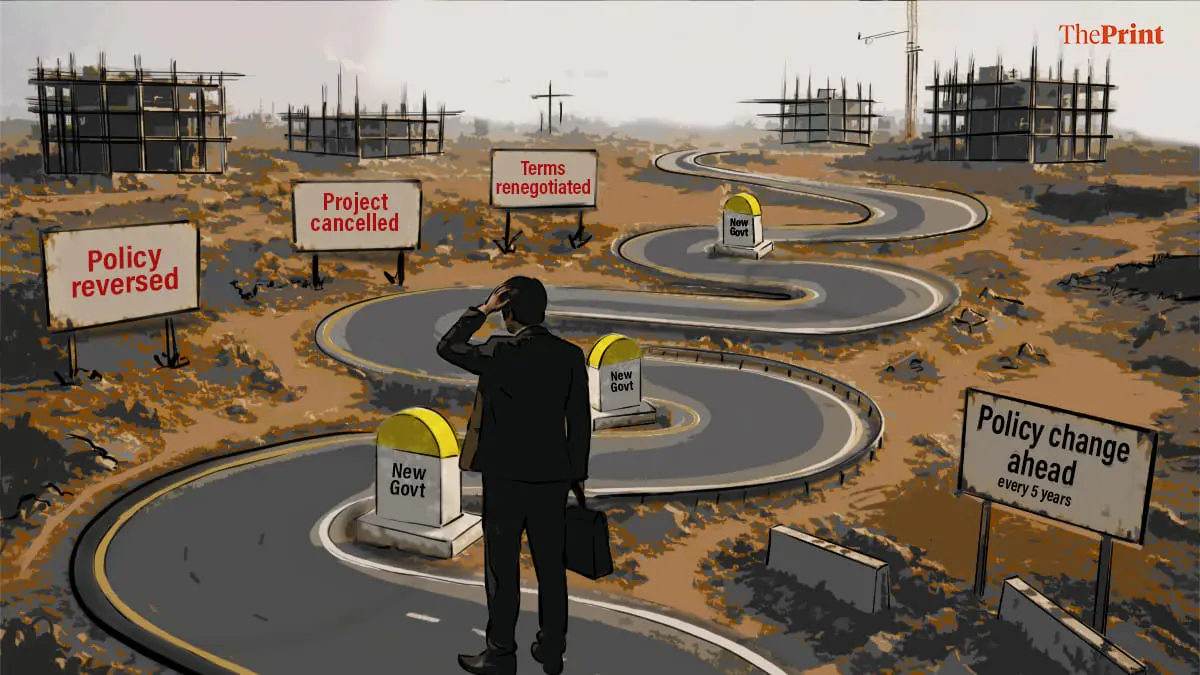
The 'Second Republic' framing is not new, political scientist Sunil Khilnani used it in 1997 to describe a shift from Nehruvian consensus. What is at stake is the legitimacy of India's post-1947 constitutional order. The BJP's push to replace colonial and Gandhian symbols with Hindu-centric ones tests the secular foundation of the republic. With general elections due by 2029, the success of this narrative hinges on whether voters embrace it or, as the NEET protests suggest, cling to older icons. Watch for the government's response to UPI fee proposals, which could affect over 30 crore digital payment users.
Source: theprint.in
This story was synthesised by AI from the source linked above. Methodology and corrections.