







Now Reading: India’s azadi debate spans sacrifice, choice and scientific temper
-
01
India’s azadi debate spans sacrifice, choice and scientific temper


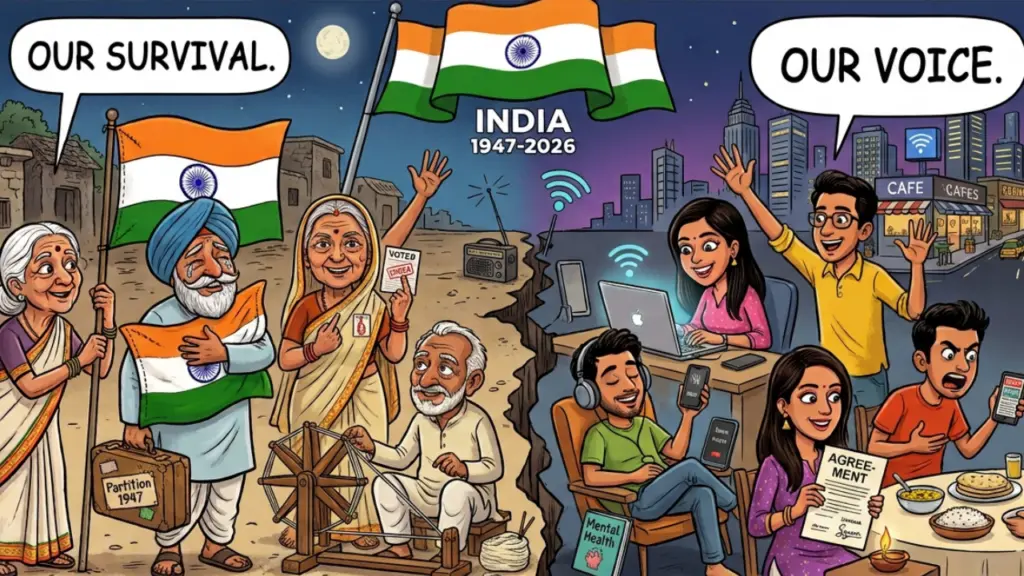
Times Now News presents Independence in 2026 as a conversation between generations. Older Indians associate azadi with Partition, survival, voting and the end of colonial rule, while younger people link it to…
The Story in Brief
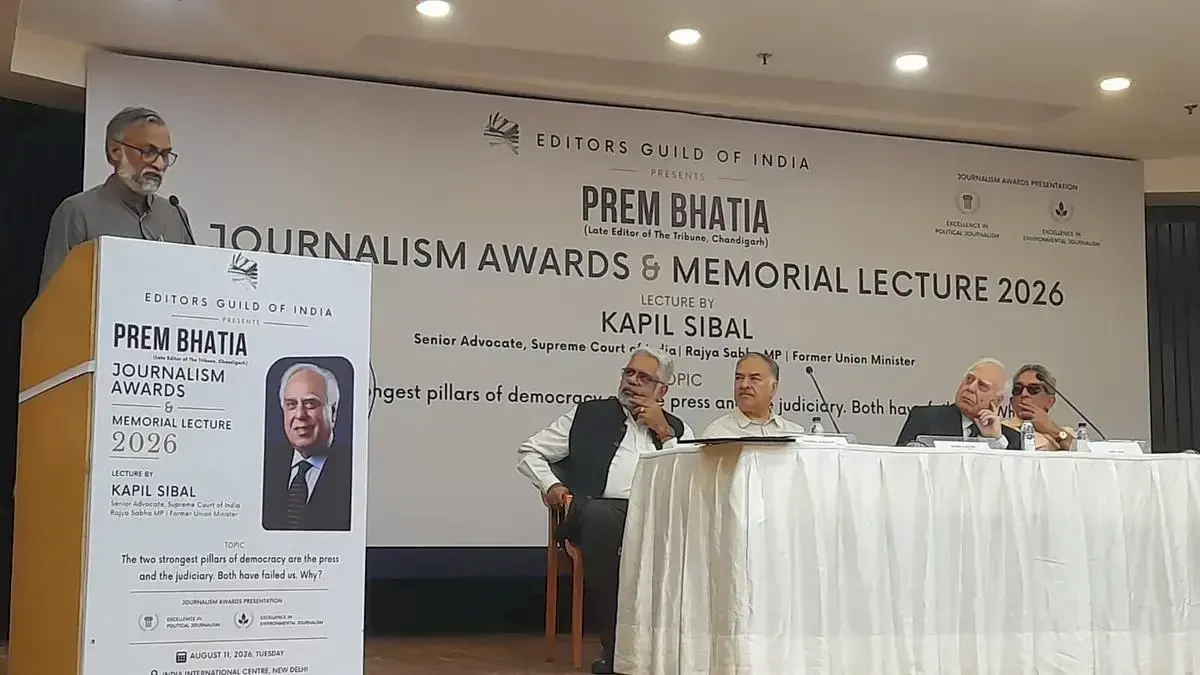
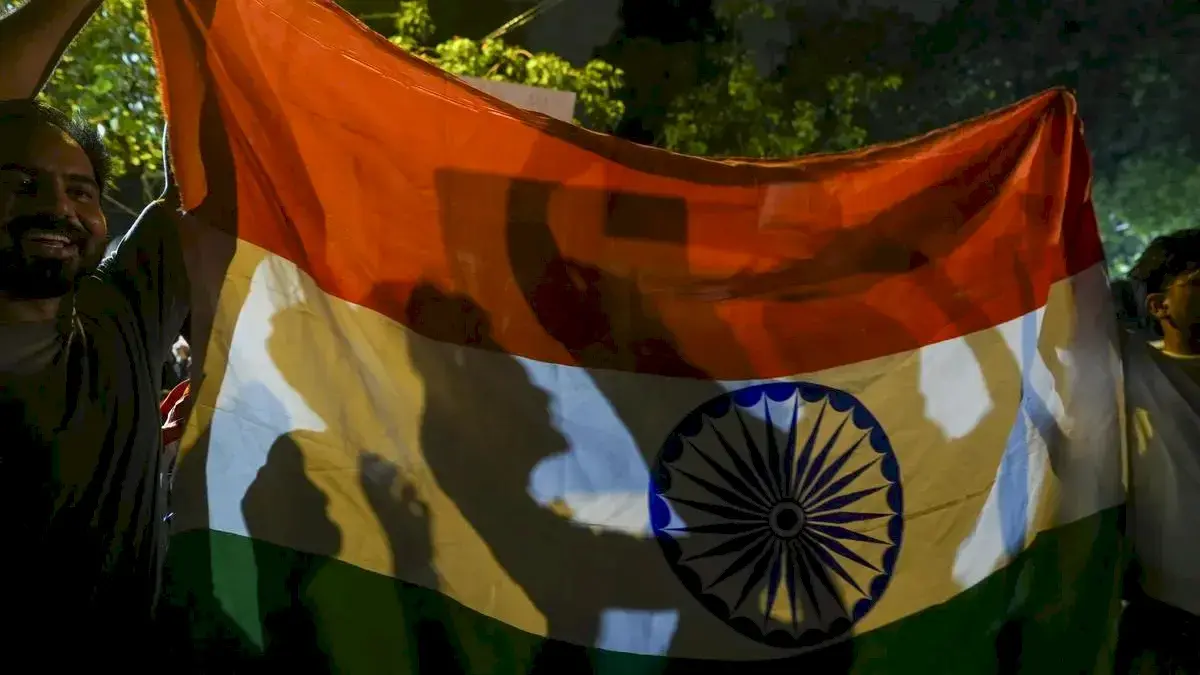
Times Now News presents Independence in 2026 as a conversation between generations. Older Indians associate azadi with Partition, survival, voting and the end of colonial rule, while younger people link it to mobility, privacy, work boundaries, independent living and the freedom to disagree. Frontline argues that students have recently reclaimed azadi through humour, fearlessness and civil disobedience, while warning that digital misinformation makes judging truth harder. It invokes Jawaharlal Nehru’s scientific temper, built on testing claims and revising conclusions. Frontline also recalls M.P. Parameswaran, who died in Thrissur on August 11 aged 92, as a lifelong advocate of public scientific thinking.
The Indian Opinion
The lazy story is that older Indians understand real freedom while Gen Z merely wants comfort, or that younger citizens have abandoned national history. The accounts cited by Times Now News show neither claim holds. Survival, Partition, women’s voting rights, mobility and mental boundaries can all belong in the same democratic conversation. Frontline’s warning about false digital evidence is the harder point. A useful test is whether citizens can check a viral claim before defending it, and change their view when the evidence changes.
Sources (2): frontline.thehindu.com, timesnownews.com
This story was synthesised by AI from the 2 sources linked above.
Updated: this story now draws on 2 sources.