













Now Reading: Government approves one billion plastic banknotes for trial
-
01
Government approves one billion plastic banknotes for trial


The Story in Brief
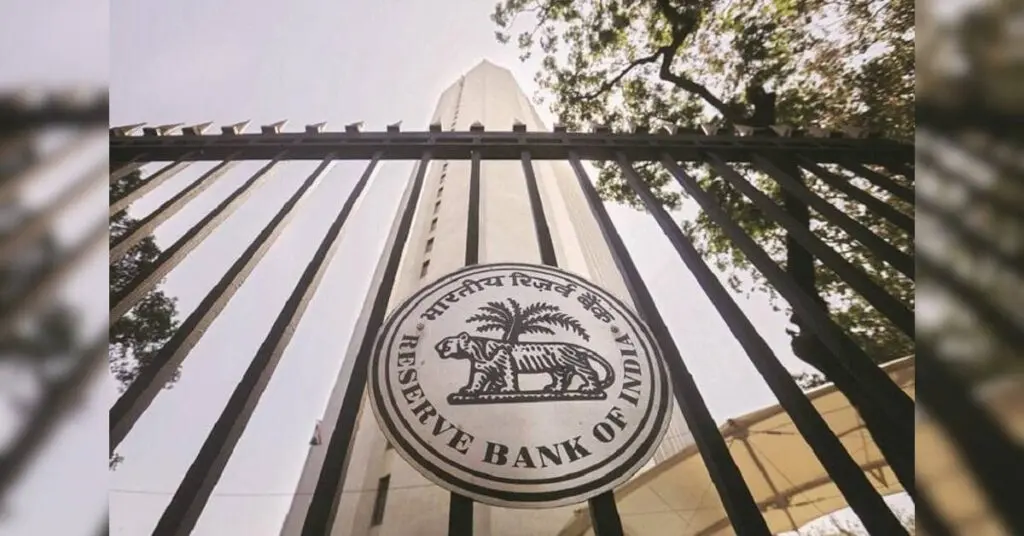
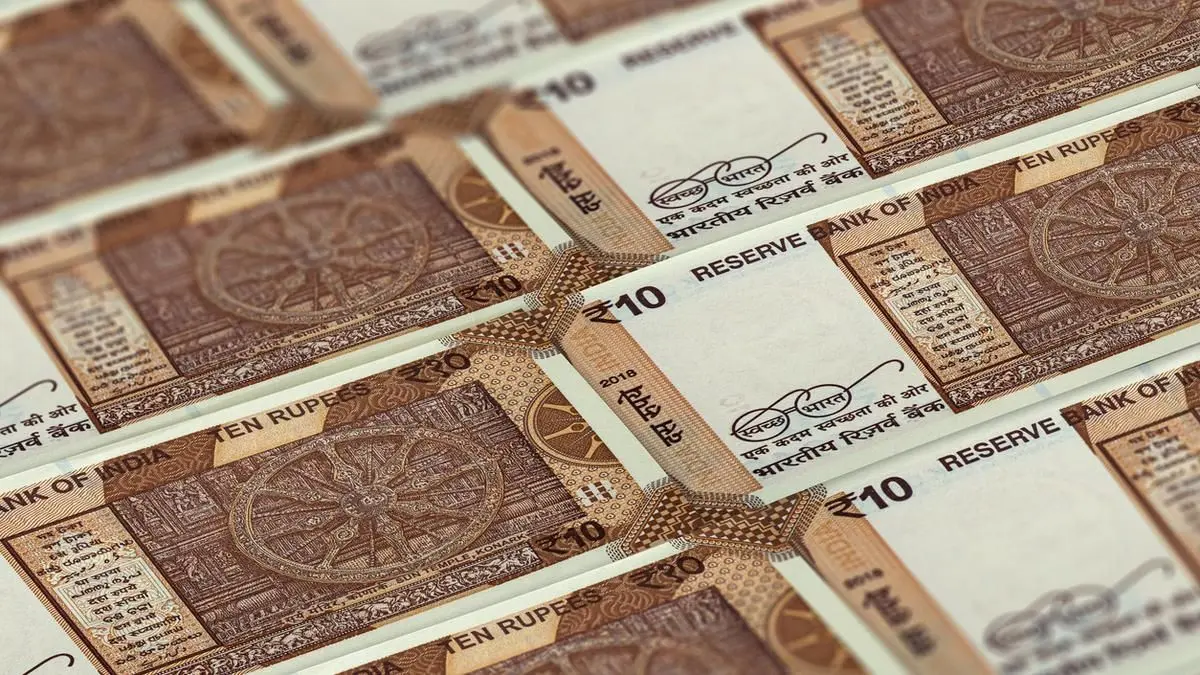
The government has approved the introduction of one billion polymer banknotes each of ₹10 and ₹20 for field trials, Finance Minister Nirmala Sitharaman told the Rajya Sabha on Tuesday. The Reserve Bank of India had proposed the move under Section 25 of the RBI Act, 1934. The polymer notes will be issued alongside existing paper notes, the minister said, but added that the procurement process is at an initial stage, so no timeline or cost can be given yet.
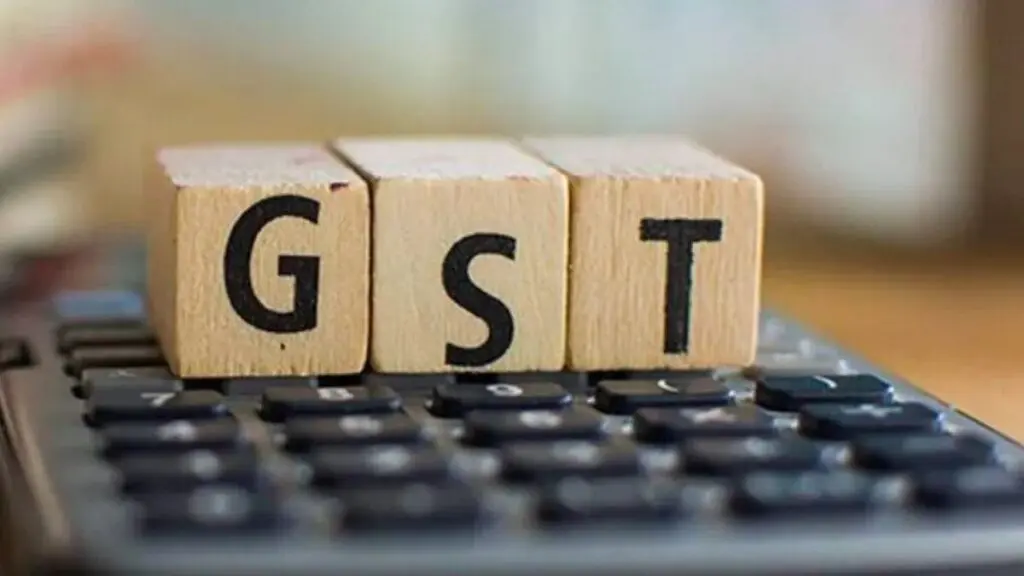
Separately, Sitharaman said the 56th GST Council meeting had rationalised rates on many goods and services from 28% to 18%, and from 18% to 5% or nil, with no increase in overall tax burden. The finance minister also noted that average retail inflation has declined from 5.4% in 2023-24 to 2.1% in 2025-26, though it rose to 3.9% in Q1 of 2026-27 due to global energy prices and seasonal vegetable price spikes.
The Indian Opinion
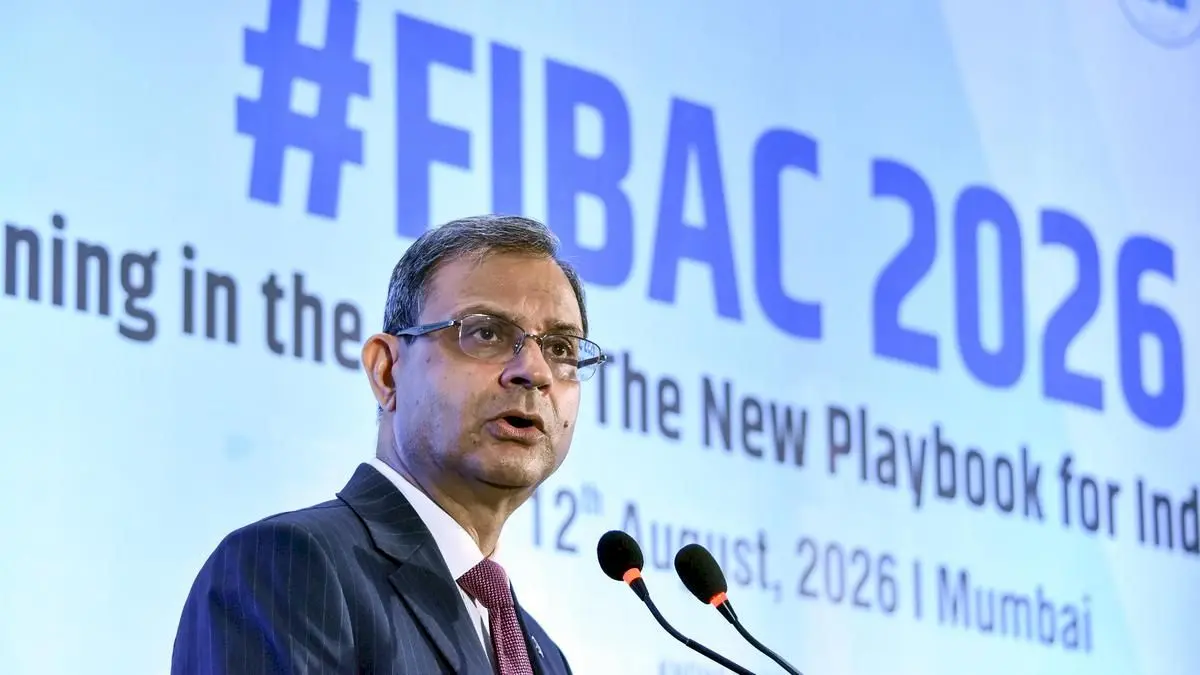
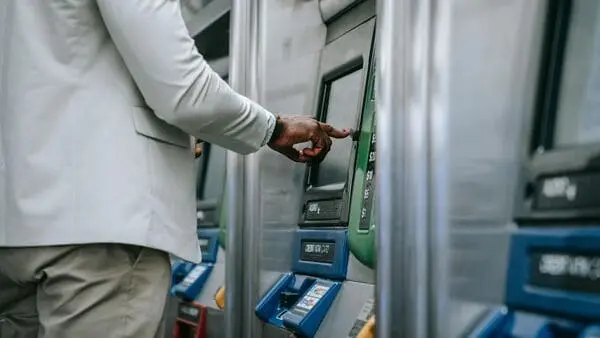
The push for plastic notes is being sold as a durability and security upgrade, but the real test will be execution. The RBI governor has targeted rollout by early next fiscal year, yet no firm timeline exists and even the procurement process is nascent. Meanwhile, a state-owned bank has flagged upfront costs: existing ATM cassettes cannot dispense polymer notes, and replacement or modification will take months and money. With no local supplier for cassettes, banks face an expensive import dependence. The question is not whether polymer notes are better, but who bears the transition cost and whether the rollout will slip as earlier projects have.
Sources (3): thehindu.com, deccanherald.com, livemint.com
This story was synthesised by AI from the 3 sources linked above. Methodology and corrections.
Updated: this story now draws on 3 sources.