

















Now Reading: RBI explores ways to extend life of banknotes, says deputy governor
-
01
RBI explores ways to extend life of banknotes, says deputy governor


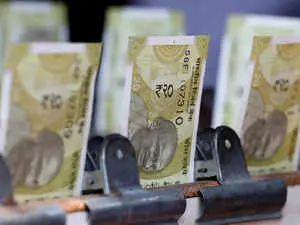
The Reserve Bank of India is examining measures to extend the life of banknotes, including surface coatings and polymer notes for lower denominations, Deputy Governor Shirish Chandra Murmu said in the central bank’s monthly bulletin. The government has already approved the RBI’s proposal to introduce polymer notes in Rs 10 and Rs 20 denominations for field trials, reviving a plan first announced more than a decade ago.
As of today, 176 billion banknotes are in circulation in India, compared with roughly 56 billion US dollar bills and 30 billion euro banknotes at the end of last year. Murmu noted that currency in circulation continues to grow at double-digit rates even as cash's share of individual transactions declines, making future demand harder to predict. The central bank is also working to reduce the carbon footprint of the cash cycle by optimising distribution and disposal.
The government has clarified that polymer notes will circulate alongside existing paper notes, and there is no proposal to replace paper currency entirely. Minister of State for Finance Pankaj Chaudhary said the currency proposal is still preliminary and any impact on digital payments can only be assessed after regular issuance begins.
Indian Opinion Analysis
India’s cash paradox, double-digit growth in currency circulation despite rising digital payments, forces the RBI to plan for an uncertain future. The move to polymer notes for Rs 10 and Rs 20, approved for field trials more than a decade after it was first floated, aims to cut replacement costs: paper notes wear out in months, while polymer can last two to three years. The RBI also faces pressure to reduce the environmental cost of printing and disposing of 176 billion notes. The field trial results will determine whether polymer expands to higher denominations or remains a niche experiment.
The next signal to watch is the scale and timeline of the field trials, which will test durability, counterfeit resistance and public acceptance before any broader rollout.
Source: economictimes.indiatimes.com
This story was synthesised by AI from the source linked above. Methodology and corrections.