


















Now Reading: Demonetisation crippled India’s poorest, report says
-
01
Demonetisation crippled India’s poorest, report says



Prime Minister Narendra Modi's 2016 demonetisation of Rs 500 and Rs 1,000 notes, targeting black money and counterfeiting, has caused over 100 deaths and paralysed India's cash-driven economy, according to the South China Morning Post. The banned notes had constituted 86 per cent of cash in circulation, but new notes replaced only a fraction of that value.
Madhukar Lahnu Devle, a casual labourer in Maharashtra's Hirve village, lost his daily income of about Rs 200 after the sudden note ban. The report says poor implementation, including repeatedly changed exchange limits, has hit the poorest hardest, highlighting the gap between the policy's intent and its ground-level impact.
Indian Opinion Analysis
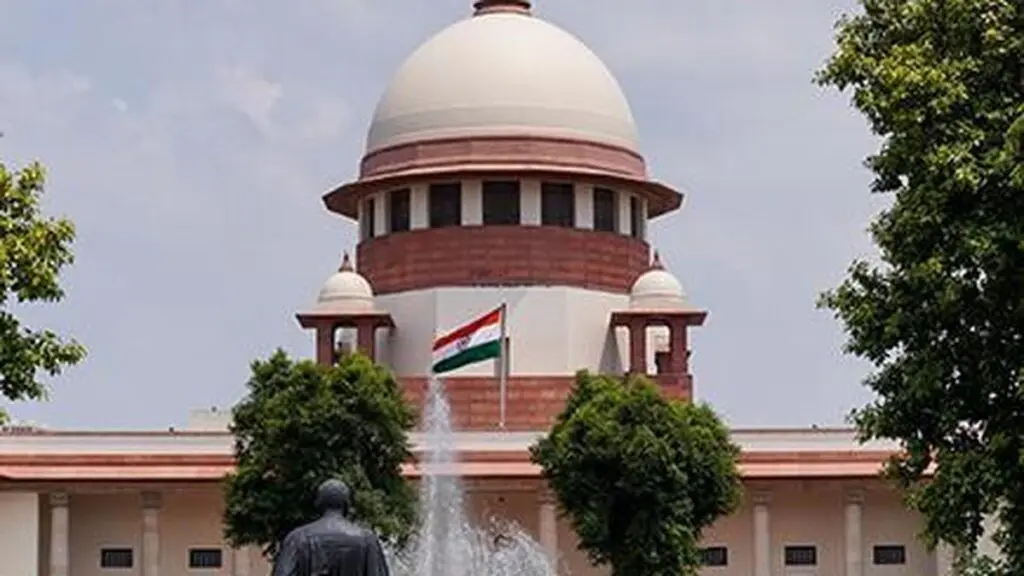
The demonetisation of 2016 impacted India's informal economy, which employs over 90 per cent of the workforce and relies almost entirely on cash. Labourers like Devle, earning below Rs 200 a day, lacked access to formal banking and were least able to bear the costs of long queues and note shortages. The policy aimed to unearth black money, but the Reserve Bank of India later reported that 99.3 per cent of the banned notes returned to the banking system, largely defeating the stated purpose. The Supreme Court is hearing petitions challenging the decision's legality, with the next hearing listed for January 2023.
Source: scmp.com
This story was synthesised by AI from the source linked above. Methodology and corrections.