

















Now Reading: Government approves trial of ₹10 and ₹20 polymer banknotes
-
01
Government approves trial of ₹10 and ₹20 polymer banknotes


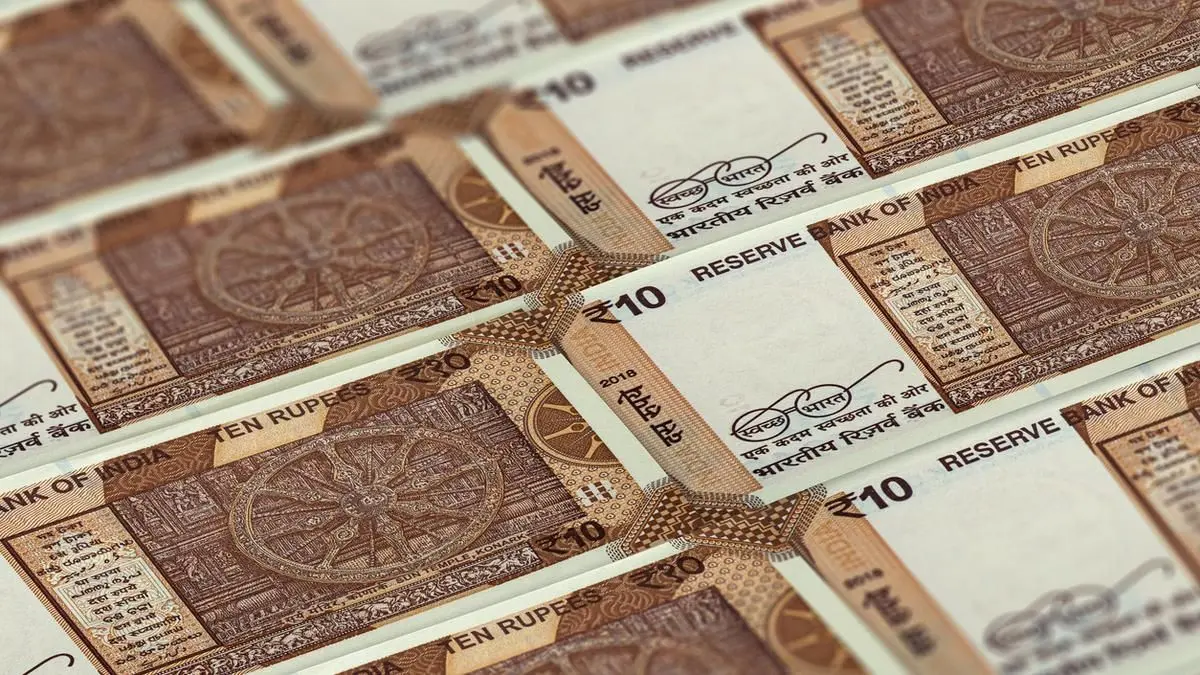
The government has approved a field trial of 1 billion polymer banknotes each in ₹10 and ₹20 denominations, Finance Minister Nirmala Sitharaman told Rajya Sabha on Tuesday. One billion pieces of ₹10…
The Story in Brief
The government has approved a field trial of 1 billion polymer banknotes each in ₹10 and ₹20 denominations, Finance Minister Nirmala Sitharaman told Rajya Sabha on Tuesday. One billion pieces of ₹10 notes are worth Rs 1,000 crore, and the ₹20 notes are worth Rs 2,000 crore. The Reserve Bank of India (RBI), which proposed the trial, aims to issue polymer notes alongside paper ones. The procurement process is at an initial stage, so no timeframe or cost is settled yet. RBI Governor Sanjay Malhotra had recently said polymer notes might enter circulation from the start of the next financial year.
The RBI plant BRBNMPL last month floated a global tender for 3.4 crore polymer sheets. As of August 7, 2026, India had 2,821.48 crore pieces of ₹10 notes and 1,431.65 crore pieces of ₹20 notes in circulation, out of a total 17,587.36 crore banknotes worth Rs 42.43 lakh crore. Several countries including the UK, Canada, and Australia already use polymer notes for their durability and water resistance.
The Indian Opinion
Polymer notes are durable and water-resistant, but India's currency system handles billions of paper notes. A trial of just 1 billion polymer notes is tiny against 2,821 crore ₹10 notes already in circulation. Taxpayers should watch the cost per note, the durability test results, and whether counterfeit resistance improves. Is a plastic coupon a worthy use of public funds when inflation remains a bigger threat to the poor?
Sources (2): thehindu.com, deccanherald.com
This story was synthesised by AI from the 2 sources linked above.