







Now Reading: Govt cites nuclear power law, BIS standards to address AI data centre strains
-
01
Govt cites nuclear power law, BIS standards to address AI data centre strains

Govt cites nuclear power law, BIS standards to address AI data centre strains

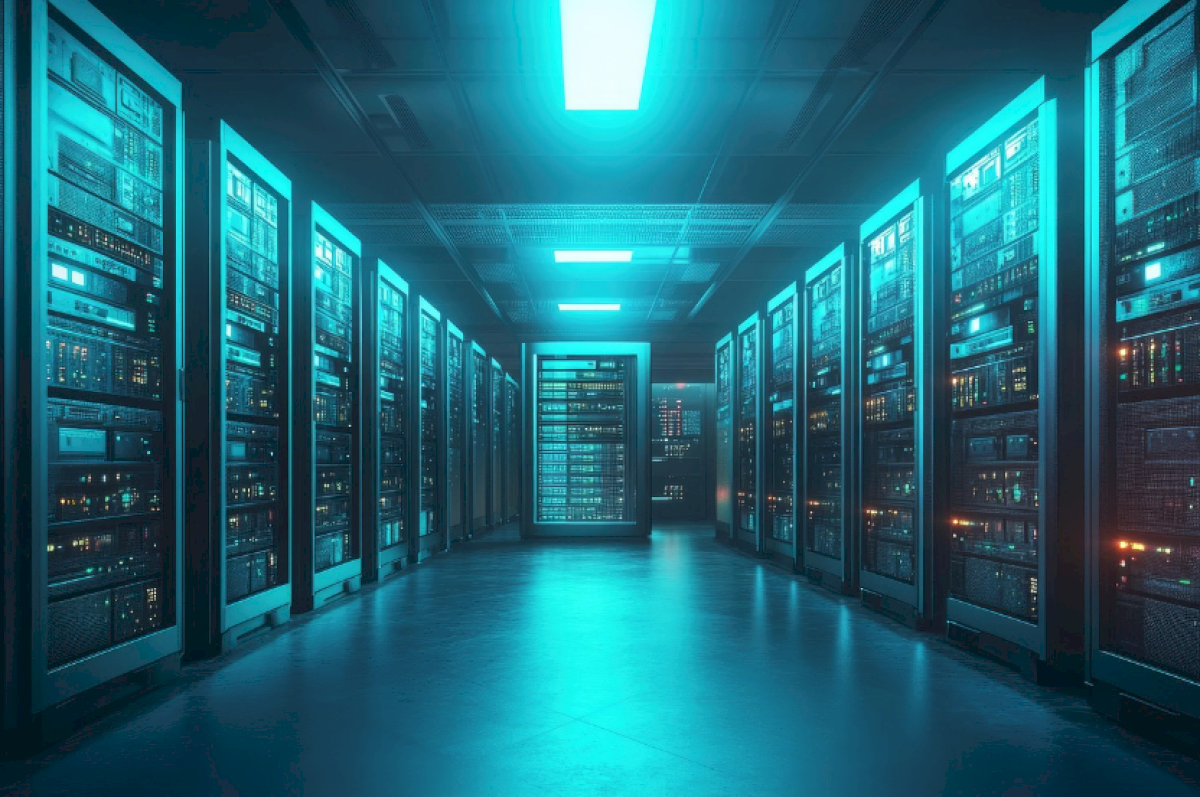
India's data centre capacity has surged more than fourfold in six years, from 375 MW in 2020 to about 1,575 MW. This week, the government told Parliament it is tackling the environmental…
The Story in Brief
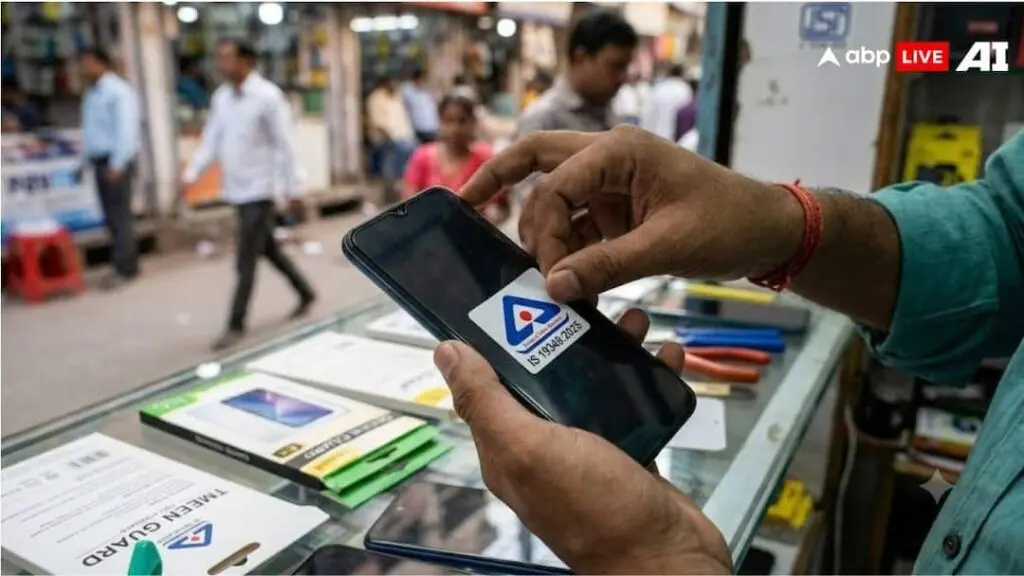
India's data centre capacity has surged more than fourfold in six years, from 375 MW in 2020 to about 1,575 MW. This week, the government told Parliament it is tackling the environmental impact of AI infrastructure through renewable energy schemes, a new nuclear power law, and technical standards set by the Bureau of Indian Standards. Minister of State for Electronics and IT Jitin Prasada, in a written reply to the Lok Sabha on August 5, cited the Green Energy Open Access Rules and the Sustainable Harnessing and Advancement of Nuclear Energy for Transforming India (SHANTI) Act. However, the reply did not specify how much of data centres' power demand these initiatives would meet, nor did it provide a timeline for adopting BIS standards on energy, cooling, and water use.
The Indian Opinion
The government's response sidesteps the core question: will India's grid and water resources cope with AI's explosive growth? Citing the SHANTI Act for nuclear power and BIS efficiency standards sounds proactive, but the reply offered no targets, timelines, or enforcement mechanisms. Environmentalists rightly flag the absence of a dedicated clearance for data centres, which guzzle power and water. The real test is not in policy documents but in the upcoming environmental impact assessments for projects like Google and Adani's Visakhapatnam parks. Will those appraisals be as rigorous as activists demand, or will growth trump scrutiny?
Sources (2): medianama.com, thenewsminute.com
This story was synthesised by AI from the 2 sources linked above.
Updated: this story now draws on 2 sources.