
















Now Reading: US nuclear industry to submit on India’s SHANTI rules by Sept 4
-
01
US nuclear industry to submit on India’s SHANTI rules by Sept 4



The US nuclear industry, coordinated by the US-India Strategic Partnership Forum (USISPF), is preparing a comprehensive submission to India on the draft rules for the SHANTI Act. The Department of Atomic Energy released the draft rules and regulations last week and has set a September 4 deadline for comments. USISPF held a virtual briefing with senior industry leaders and legal experts to discuss licensing, liability, and project structuring implications for private sector entry.

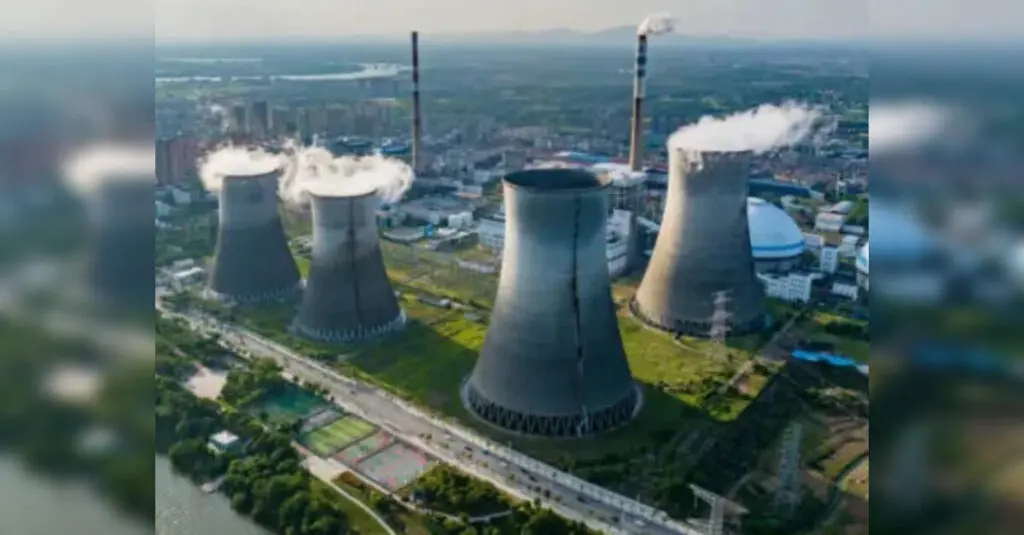
The SHANTI Act opens India's civil nuclear sector to private companies and joint ventures, allowing them to build, own, and operate nuclear plants, decommission them, and undertake nuclear R&D. Private players can also manufacture nuclear fuel and use ionising radiation for non-electricity applications. The draft rules lay down procedures for licensing, insurance, and approvals while keeping sensitive activities under government control. India aims to generate 100 GW of nuclear power by 2047 and set up at least five indigenous Small Modular Reactors (SMRs) by 2033.
Indian Opinion Analysis
All three sources present nearly identical wire copy, making this a case of uniform straight reporting. No source offers independent framing or commentary, each simply relays the USISPF announcement and the DAE's draft rules. The coverage is entirely neutral and factual, with no government-critical or sensationalist angle. The middle-ground takeaway is that the SHANTI Act's draft rules are a significant first step toward opening India's nuclear sector to private investment, but the September 4 deadline and subsequent industry feedback will determine how quickly and in what form this liberalisation proceeds. Watch for the DAE's final rules and the first private-sector license applications expected in 2027.
Coverage: 3 sources, 3 neutral
Sources (3): thehindu.com (neutral report), deccanherald.com (neutral report), energy.economictimes.indiatimes.com (neutral report)
This story was synthesised by AI from the 3 sources linked above. Methodology and corrections.
Updated: this story now draws on 3 sources.