













Now Reading: Govt caps LPG production at 63,810 tonnes per day till Dec 2026
-
01
Govt caps LPG production at 63,810 tonnes per day till Dec 2026


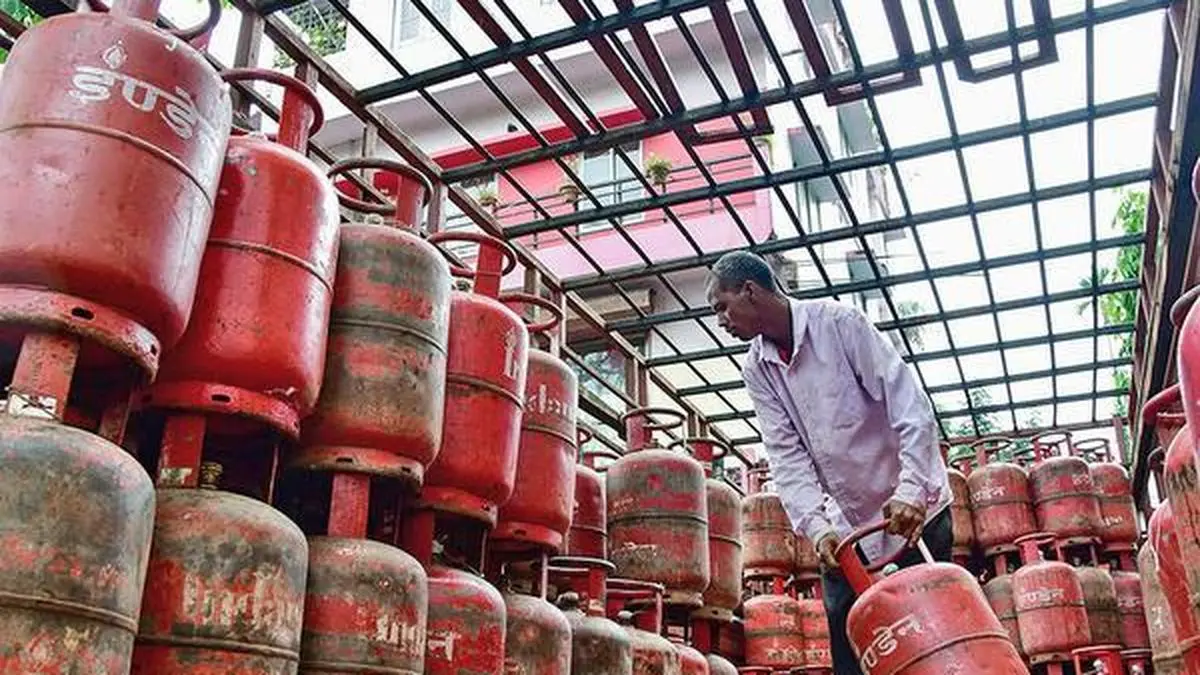
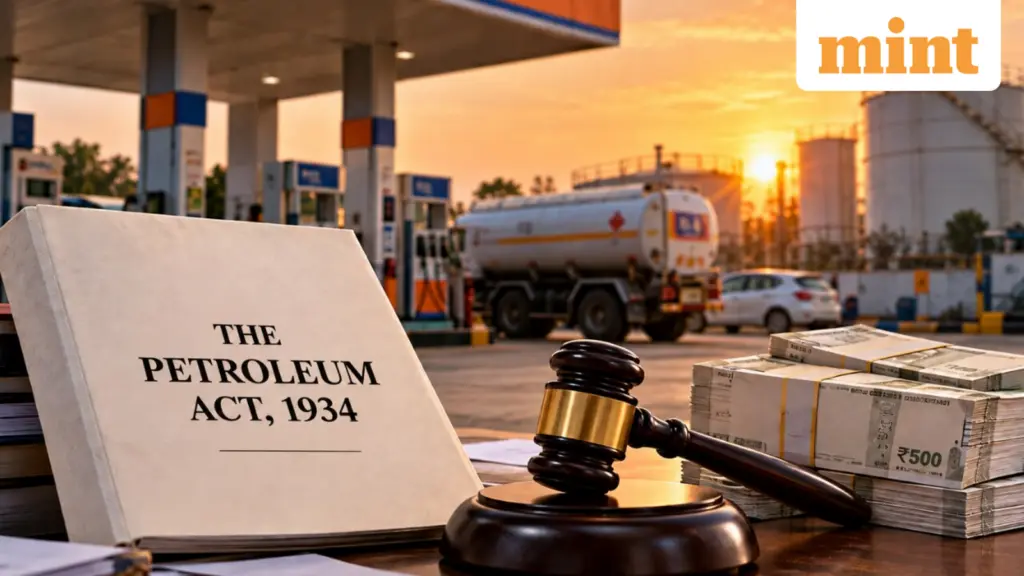
The Central Government has set a maximum daily LPG production limit of 63,810 tonnes for all refiners, including joint ventures and private entities, till December 2026, according to the Hindu Business Line. The Ministry of Petroleum and Natural Gas issued the notification effective August 13, amending the Petroleum Products Order of 1999. This is the first time the government has fixed a bi-annual LPG production cap, following supply disruptions after the Strait of Hormuz closure due to the West Asia conflict that began on February 28, 2026.

Reliance Industries has been allocated the highest quota of 18,000 tonnes per day, followed by BPCL Kochi refinery at 4,800 TPD, Mangalore Refinery at 4,600 TPD, Nayara Energy at 4,480 TPD, and HPCL Mittal Energy at 3,600 TPD. PSU refiners cumulatively must produce a maximum of 31,470 TPD, while private sector firms have a cap of 25,880 TPD and upstream companies 6,460 TPD. The order mandates refiners to develop adequate storage and evacuation infrastructure and adopt technologies like naphtha-to-LPG conversion to maximise output.
Separately, the Economic Times reports that Indian Oil Corp has finalised a deal with Algeria's Sonatrach to import LPG in 2027, lifting one very large gas carrier of 45,000-55,000 metric tonnes every month. India is diversifying LPG sources away from the Middle East after the Strait of Hormuz blockade disrupted supplies. The country has also increased intake of US LPG, aiming to buy up to a quarter of its LPG imports from the United States in 2027. Three state retailers are expected to float a joint tender for US LPG imports.
Indian Opinion Analysis
The Hindu Business Line focuses on the government's production cap as a proactive regulatory move to ensure domestic LPG availability and fair pricing, emphasising the notification details and allocations. The Economic Times, however, frames the parallel IOC-Algeria deal as a strategic diversification response to Middle East supply vulnerability, highlighting the shift away from reliance on the region. Both outlets agree on the Strait of Hormuz disruption as the catalyst. A careful reader should see that while the government mandates maximum production limits, state-owned IOC is simultaneously securing alternative import sources for 2027, indicating that domestic production caps alone may not meet demand. The next step to watch is the joint tender for US LPG imports expected from state retailers.
Coverage: 2 sources, 2 neutral
Sources (2): thehindubusinessline.com (neutral report), economictimes.indiatimes.com (neutral report)
This story was synthesised by AI from the 2 sources linked above. Methodology and corrections.
Updated: this story now draws on 2 sources.