
















Now Reading: Great Nicobar port project threatens leatherback turtle nesting site
-
01
Great Nicobar port project threatens leatherback turtle nesting site


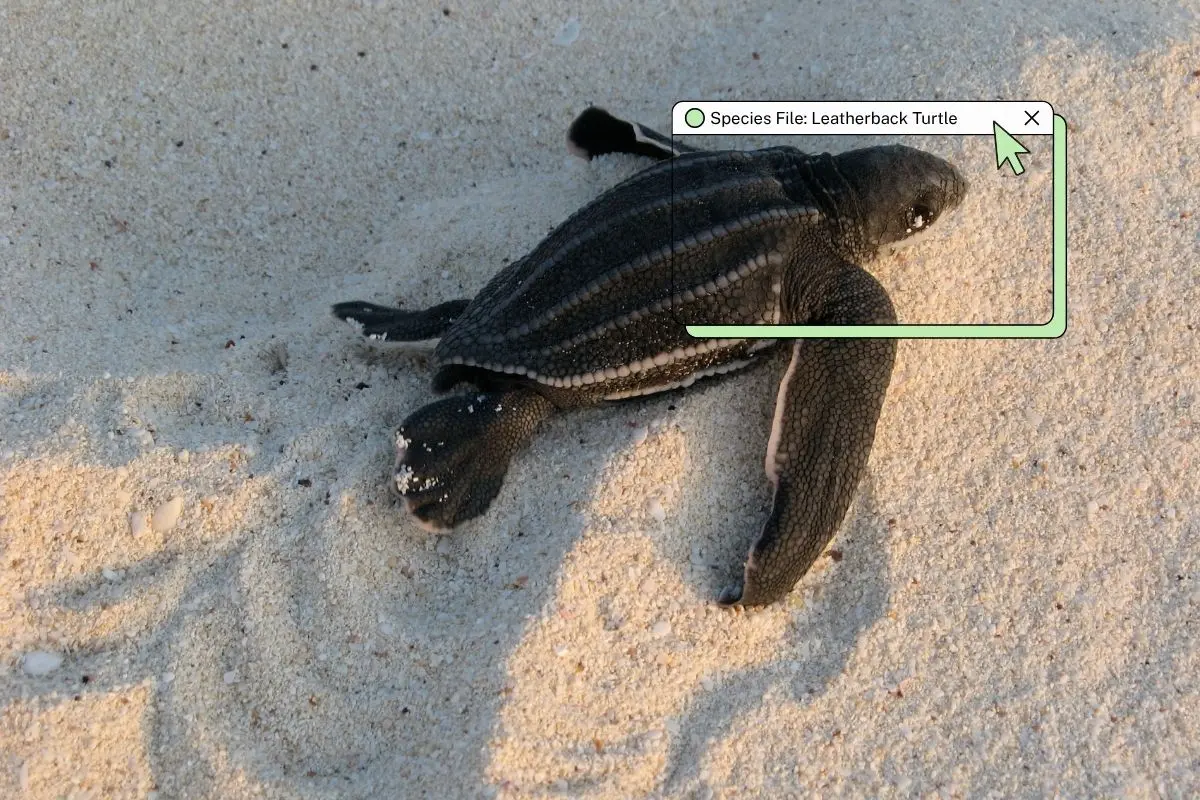
Galathea Bay on Great Nicobar Island, the largest leatherback turtle nesting ground in the northern Indian Ocean, faces a threat from the proposed Rs 81,000 crore trans-shipment port and associated infrastructure under the Great Nicobar Island project. The leatherback, the largest living sea turtle and the only one without a hard shell, arrives at this beach every winter to lay eggs. The species is listed as vulnerable globally by the IUCN and has the highest legal protection in India under Schedule I of the Wildlife (Protection) Act, 1972.
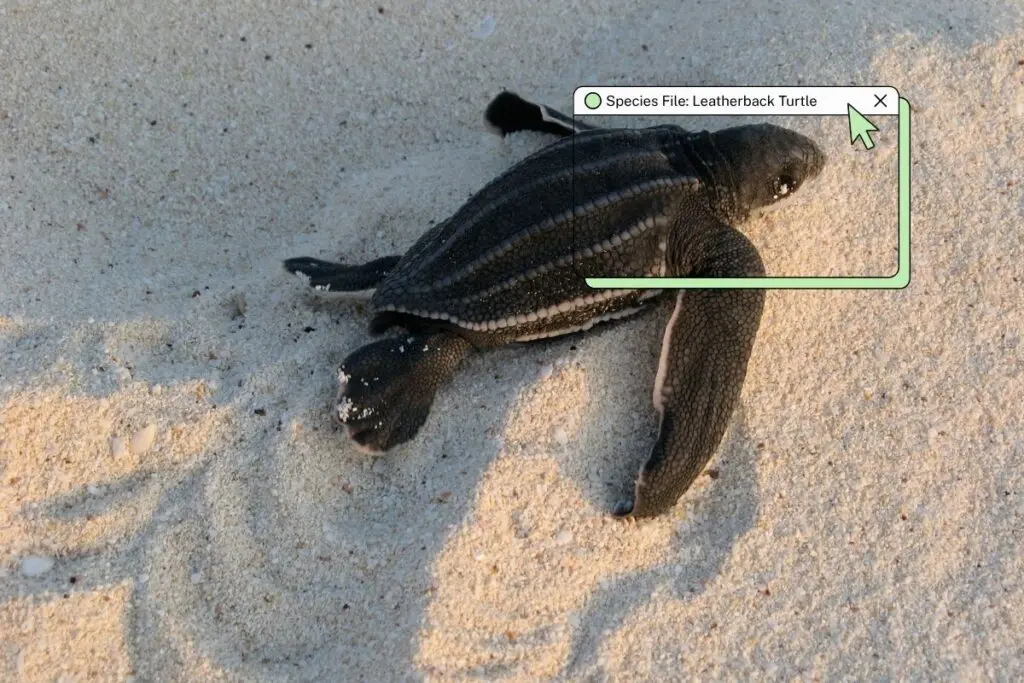
The planned project includes an international container port, an airport, gas and solar power plants, and a township, requiring the felling of a million trees. Loss of nesting sites due to development, along with bycatch, boat collisions, plastic ingestion, and artificial lighting, are key threats to the turtle's survival. Leatherbacks feed almost entirely on jellyfish, helping maintain marine ecosystem balance.
Indian Opinion Analysis
The Rs 81,000 crore Great Nicobar project received in-principle environmental clearance in 2022, but conservation groups have flagged the impact on endemic species and tribal communities. The leatherback's nesting season runs from November to March, and artificial light from the port and township could disorient hatchlings. Under the Wildlife Protection Act, any development that harms a Schedule I species requires specific approval from the National Board for Wildlife. The project's next major review, including final forest clearance, is pending with the environment ministry.
Source: india.mongabay.com
This brief was synthesised by AI from the source linked above. Methodology and corrections.