



















Now Reading: GST reforms from November cut penalties, add RCM on scrap
-
01
GST reforms from November cut penalties, add RCM on scrap


The Story in Brief
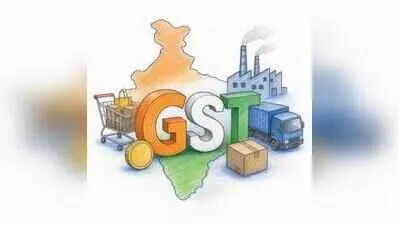
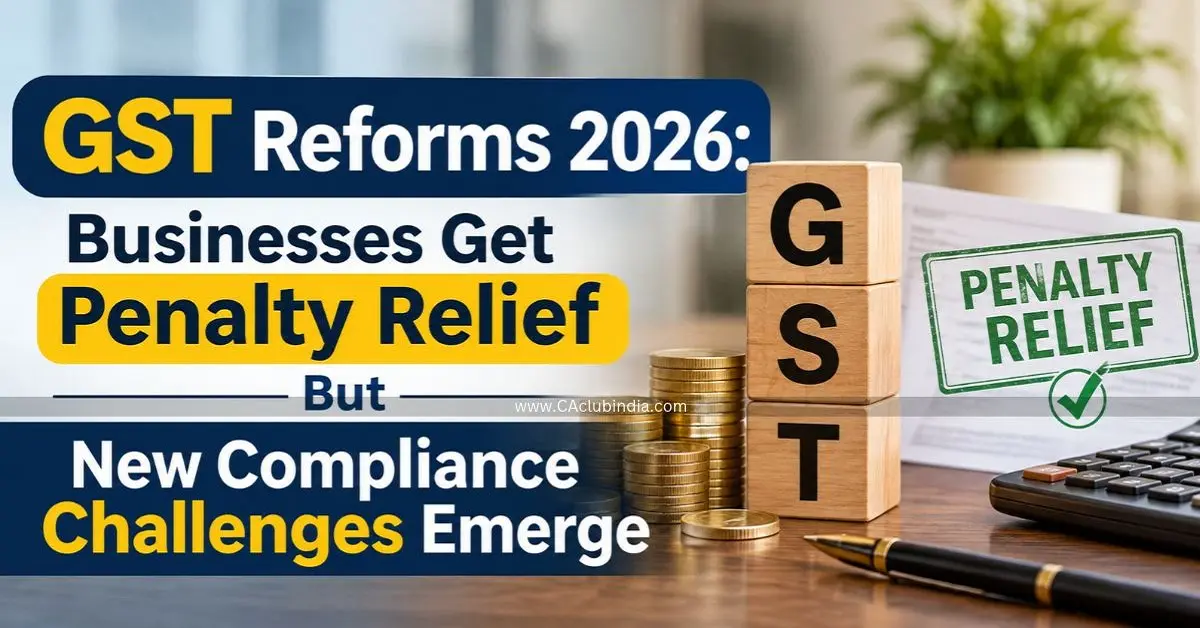
India's GST reforms, effective 1 November 2026, cut the maximum general penalty under Section 125 of the CGST Act from Rs 25,000 to Rs 10,000 and set a minimum Rs 10,000 threshold for show-cause notices, reducing litigation over small amounts. Refund processing is sped up, with the acknowledgement deadline reduced from 15 to 10 days, deemed acknowledgement for delays, and provisional refunds of up to 90% for zero-rated and inverted duty structure claims subject to risk assessment. Businesses face a new compliance burden from the Reverse Charge Mechanism (RCM) on specified waste and scrap purchased from unregistered suppliers, including plastic, tyre, e-waste and used cooking oil, effective 1 November.
The changes follow the 57th GST Council meeting on 8 October 2026. The Council also recommended expanding refund eligibility to input services and capital goods, with capital goods refund linked to a phased mechanism starting 1 April 2027. Under the RCM, the registered buyer must pay GST on scrap from unregistered sellers, requiring updated vendor records and RCM accounting. For non-fraud cases, a reduced 5% penalty applies if tax and interest are discharged within 30 days under Section 73 or 60 days under Section 74A, subject to conditions. A 2% GST TDS on specified supplies from registered suppliers was also proposed.
Indian Opinion Analysis
The 57th GST Council's latest reforms, effective 1 November 2026, present a trade-off for businesses. Penalty relief and faster refunds ease cash flow and reduce litigation over minor defaults, but the new Reverse Charge Mechanism on scrap from unregistered suppliers burdens recyclers and manufacturers with added accounting and payment obligations. The distinction between already notified provisions and those still requiring legislative changes, such as capital goods refund from April 2027, leaves several relief measures uncertain. Businesses must now urgently review vendor databases for unregistered scrap suppliers and set up RCM processes, while watching for further notifications on the reduced penalty scheme.
Source: caclubindia.com
This brief was synthesised by AI from the source linked above. Methodology and corrections.