











Now Reading: Gurugram drains blocked, Rs 500 crore spent in vain, experts say
-
01
Gurugram drains blocked, Rs 500 crore spent in vain, experts say



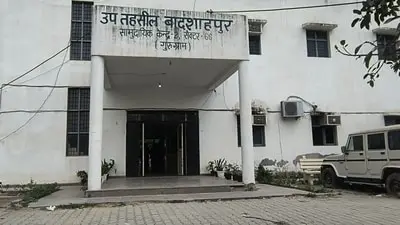
Gurugram's monsoon waterlogging persists despite years of investment, with experts and officials pointing to encroached drains and poor planning. Indiatoday.in reports that 18 of the 28 km Badshapur Nala, the main stormwater drain flowing into Najafgarh Jhil, is blocked by encroachments. The city has 550 km of stormwater drains, most of which are encroached, environmentalist Vaishali Rana said.

Retired engineer Dr Shiv Singh Rawat said excessive concretisation has cut the soil's water-absorption capacity, causing rapid runoff and flooding on highways and underpasses. Architect Dikshu Kukreja said master plans ignore natural topography and called for blue-green infrastructure and permeable footpaths.
Indiatvnews.com reports that Rs 500 crore has been spent with no visible results and officials are unaware of the ground reality. The panellists called for administrative accountability and civic action to address the urban infrastructure crisis.
Indian Opinion Analysis
Indiatoday.in frames the waterlogging as a systemic failure of planning, leading with the key figure of 18 of 28 km of a primary drain being blocked by encroachments. Indiatvnews.com leads with the sum of Rs 500 crore spent with no results, adding a sharper blame on official ignorance. Both sources agree on the core facts, including concretisation reducing absorption and master plans ignoring topography. The difference is in emphasis: Indiatoday.in structures the problem through expert analysis, while Indiatvnews.com foregrounds waste and official negligence. The balanced reading is that officials acknowledge the causes, encroached drains, concretisation, poor planning, but repeated spending has not translated into action.
Coverage: 3 sources, 1 government-critical, 2 neutral
Sources (3): indiatoday.in (neutral report), indiatoday.in (2) (neutral report), indiatvnews.com (government critical)
This brief was synthesised by AI from the 3 sources linked above, so one read covers every framing they carry. Methodology and corrections.
Updated: this story now draws on 3 sources.