











Now Reading: Ansari stirs row by quoting Nehru on Hindu right-wing danger
-
01
Ansari stirs row by quoting Nehru on Hindu right-wing danger


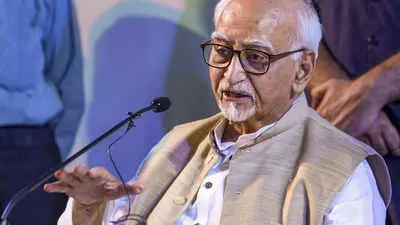
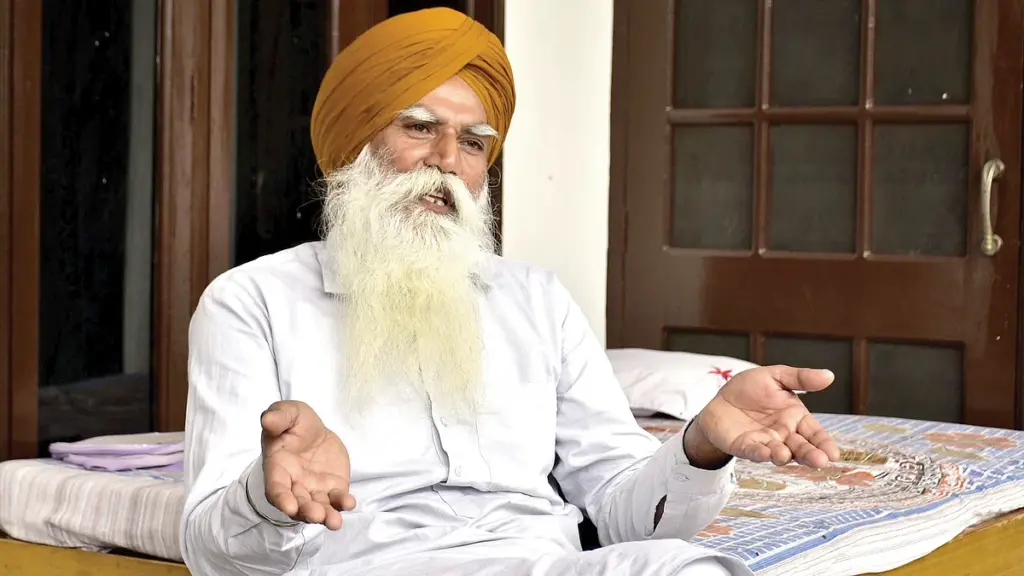
Former Vice President Hamid Ansari has sparked a political row by quoting Jawaharlal Nehru's remark that 'the real danger to India was not communism, but Hindu right-wing communalism'. He made the statement…
Former Vice President Hamid Ansari has sparked a political row by quoting Jawaharlal Nehru's remark that 'the real danger to India was not communism, but Hindu right-wing communalism'. He made the statement on Saturday at a lecture commemorating jurist AG Noorani, citing Noorani's 2019 book 'The RSS: A Menace to India'. Ansari also warned that cultural nationalism is replacing civic nationalism, seeking to 'distinguish citizens based on their faith'.
The BJP said the remarks put Congress's 'anti-Hindu politics' in the spotlight, linking them to Rahul Gandhi's past statements. Muslim clerics distanced themselves from Ansari, with All India Imam Association president Maulana Sajid Rashidi saying Muslims are 'even prouder' to live in India and accusing Ansari of speaking only after leaving office. Chief Imam Umer Ahmed Ilyasi called the statement a 'conspiracy to disturb the atmosphere' of the country.
Indian Opinion Analysis
The pro-government framing by the BJP schedules Ansari's remarks into its existing narrative of Congress 'anti-Hindu politics', bypassing the substance of the Nehru quote and Noorani's thesis. The critical framing from Muslim clerics distances the community from Ansari, accusing him of post-retirement grandstanding and warning that his words could inflame tensions rather than challenge them. What neither side engages with is the specific constitutional argument Noorani and Ansari raise: that cultural nationalism, defined as an electoral majority claiming religious majority status, is legally and conceptually distinct from civic nationalism. The original Nehru remark, sourced to a 1960s ministry meeting, remains historically unattested outside Noorani's account. The answer to the question Ansari posed, whether these trends are being contested politically and legally, will be measurable when any legislative or judicial challenge to a specific cultural-nationalist policy reaches a high court or when election discourse in a state campaign uses explicit religious-majority claims.
Coverage: 3 sources, 1 pro-government, 1 government-critical, 1 sensationalist
Sources (3): indiatvnews.com (sensationalist), timesofindia.indiatimes.com (pro government), timesofindia.indiatimes.com (2) (government critical)
This brief was synthesised by AI from the 3 sources linked above, so one read covers every framing they carry.
Updated: this story now draws on 3 sources.