













Now Reading: Haveri girl, 10, in coma with suspected Japanese Encephalitis
-
01
Haveri girl, 10, in coma with suspected Japanese Encephalitis


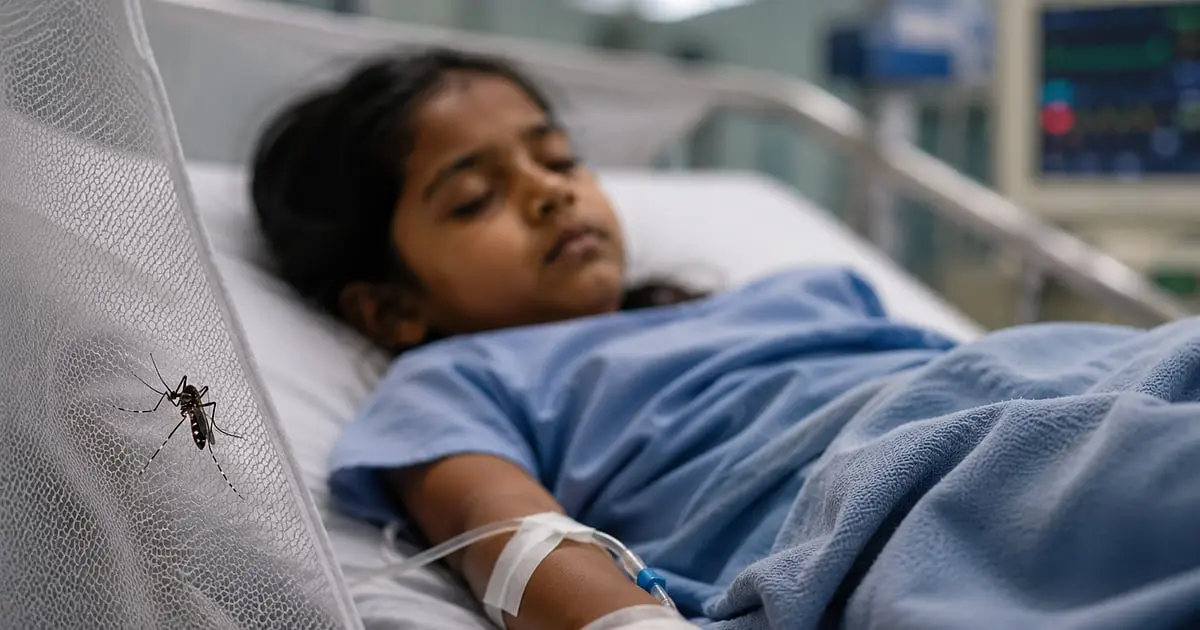
A 10-year-old girl from Haveri town in Karnataka has slipped into a coma and is suspected to have Japanese Encephalitis. The student of a government school fell ill with high fever and other symptoms, and despite treatment, she lost consciousness on August 7.

She is now at SDM Hospital in Hubballi and has not regained consciousness for nearly two weeks. Her parents said she had no travel history, only the daily routine of going to school and back home. Doctors suspect the mosquito-borne virus.
Japanese Encephalitis is a serious brain infection caused by a flavivirus spread by Culex mosquitoes. It is preventable through vaccination under the universal immunisation programme, but cases continue to occur in rural Karnataka. The girl remains in a coma.
Indian Opinion Analysis
Japanese Encephalitis is a vaccine-preventable viral disease transmitted by Culex mosquitoes, which breed in paddy fields and stagnant water. Karnataka's Haveri district falls within the endemic belt, where the virus circulates in pigs and wading birds. The state's health department typically conducts surveillance and fogging in affected areas, but compliance with the vaccination schedule under the universal immunisation programme remains patchy in rural pockets. The girl's lack of travel history points to local transmission, meaning other children in the neighbourhood could be at risk. The outcome hinges on the extent of brain inflammation: survivors often face lifelong neurological deficits. The family and the district health officer must now decide whether to send cerebrospinal fluid samples to the National Institute of Virology in Pune for confirmation, as antibody tests done locally can cross-react with dengue. Watch for the district's next vector-borne disease control report due this month.
Source: deccanherald.com
This story was synthesised by AI from the source linked above. Methodology and corrections.