













Now Reading: Heart valves still hand-sewn with 1,000 stitches per device
-
01
Heart valves still hand-sewn with 1,000 stitches per device


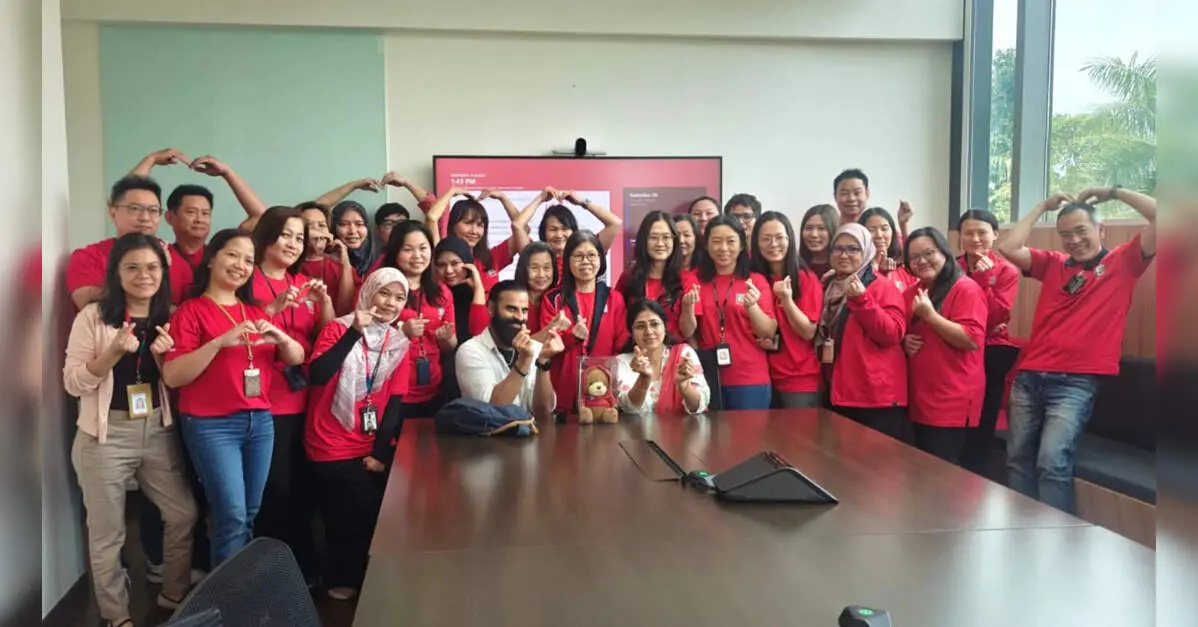
Women at an Edwards Lifesciences facility in Singapore are hand-sewing heart valves, with each surgical valve requiring up to 1,000 stitches. Between 70 and 80 per cent of the operators are women, trained over months to work under microscopes with biological tissue. The process is divided into stages, with around 14 sewers handling different assembly steps before a valve is complete.
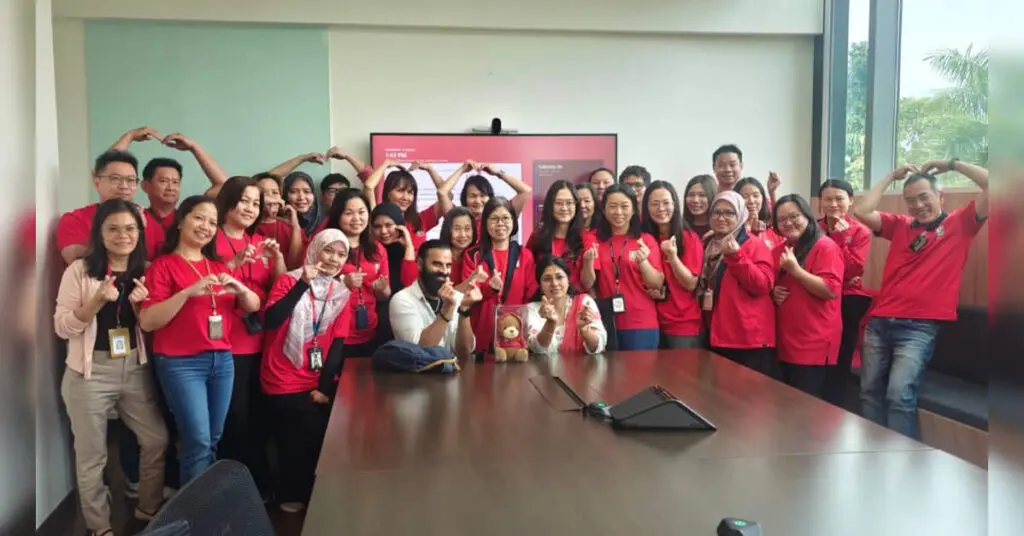
Jai Arora, a 47-year-old fitness professional from India, discovered his own bioprosthetic valve had been hand-sewn during a patient experience day at the plant. He had assumed the valve was machine-made. He underwent open-heart surgery five years ago for severe aortic stenosis and says knowing humans assembled the device is commendable. Most patients never see who made the valve inside them.
Indian Opinion Analysis
More than 4 lakh heart valve replacements are performed globally each year, a figure that is rising with ageing populations. India alone sees roughly 1.5 lakh valve procedures annually, with bioprosthetic valves making up a growing share. The hand-sewing process described has remained largely unchanged for decades because the pliable biological tissue, typically bovine or porcine pericardium, cannot withstand the rigid precision of current robotics without tearing. Edwards Lifesciences dominates this segment alongside Medtronic and Abbott, and any shift toward automation would require years of validation and regulatory approvals. For now, every stitch relies on the same human skill that has defined the craft since the first valve replacement in 1960.
Source: health.economictimes.indiatimes.com
This story was synthesised by AI from the source linked above. Methodology and corrections.