





















Now Reading: Historian Sumit Sarkar passes away at 86
-
01
Historian Sumit Sarkar passes away at 86



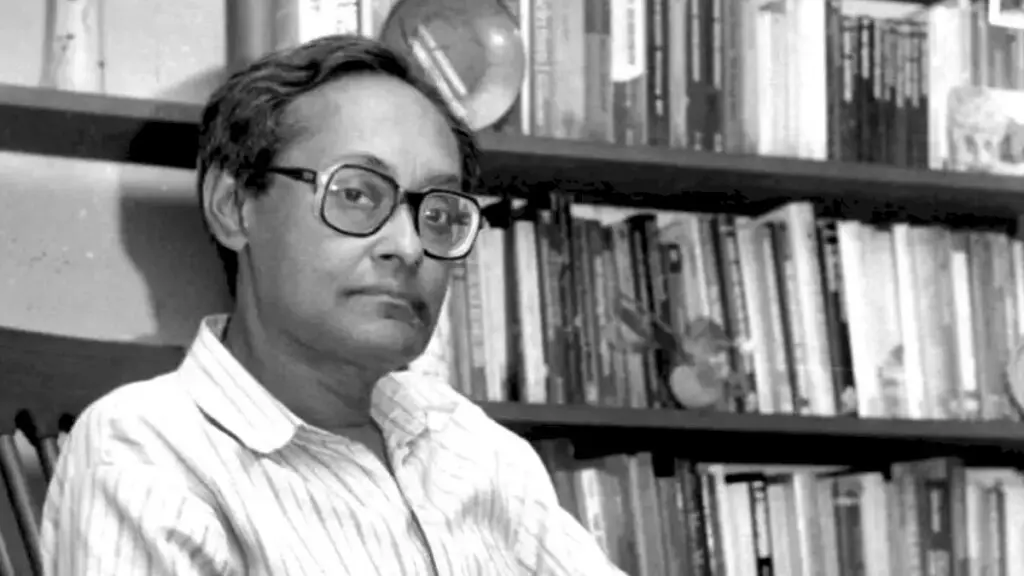
Sumit Sarkar, one of India's most influential historians, passed away on August 13, 2026, the 79th anniversary of India's independence, Frontline and New Indian Express report. He was 86. Known for his…
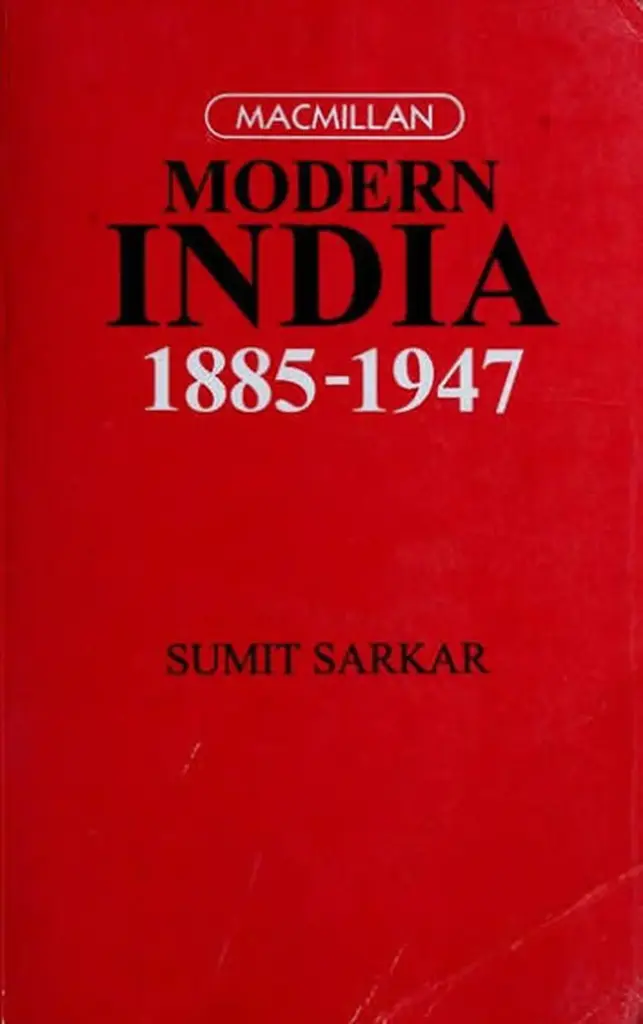
Sumit Sarkar, one of India's most influential historians, passed away on August 13, 2026, the 79th anniversary of India's independence, Frontline and New Indian Express report. He was 86. Known for his 'history from below' approach, Sarkar transformed the study of modern India through works such as 'The Swadeshi Movement in Bengal' (1973) and the widely read textbook 'Modern India, 1885-1947' (1983).
Sarkar was a Marxist historian who constantly stretched categories against evidence, integrating caste, gender, and environmental history into his analyses. He was an early member of the Subaltern Studies collective but broke with it when it took a culturalist turn, arguing in his 1997 essay 'The Decline of the Subaltern in Subaltern Studies' that decoupling subalternity from material conditions blunted social history's radical edge. His final major work was 'Modern Times' (2015).
Beyond academia, Sarkar was a lifelong activist. The New Indian Express notes he stood on DUTA picket lines, walked with striking workers, and defended civil liberties. He taught at Delhi University for three decades, influencing generations of students with his quiet, exacting, and immensely learned presence. He is survived by his wife, historian Tanika Sarkar.
Sources (2): frontline.thehindu.com, newindianexpress.com
This story was synthesised by AI from the 2 sources linked above. Methodology and corrections.
Updated: this story now draws on 2 sources.