










Now Reading: Historian Sumit Sarkar passes away, leaves rich legacy
-
01
Historian Sumit Sarkar passes away, leaves rich legacy



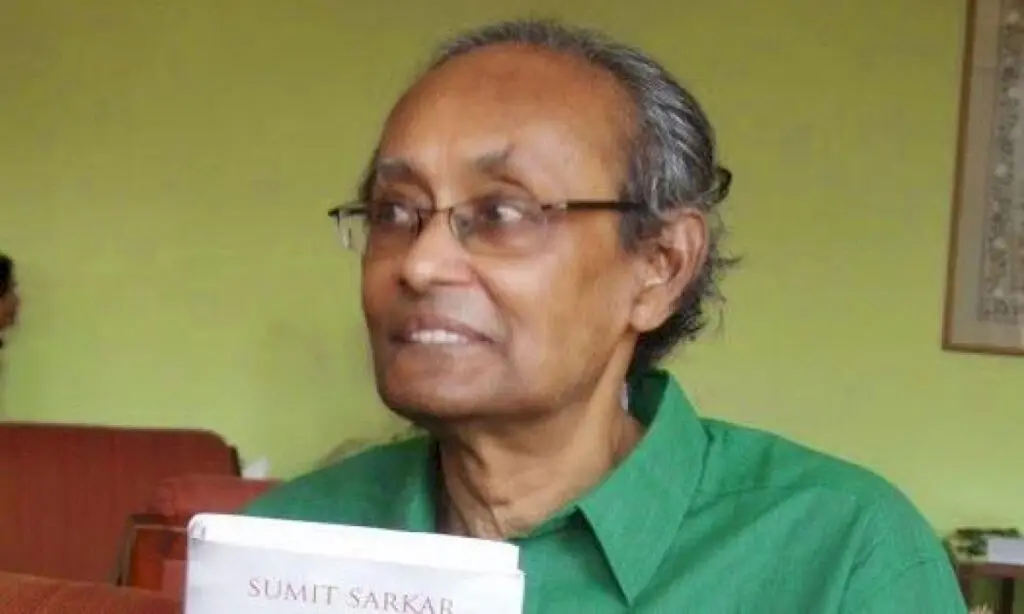
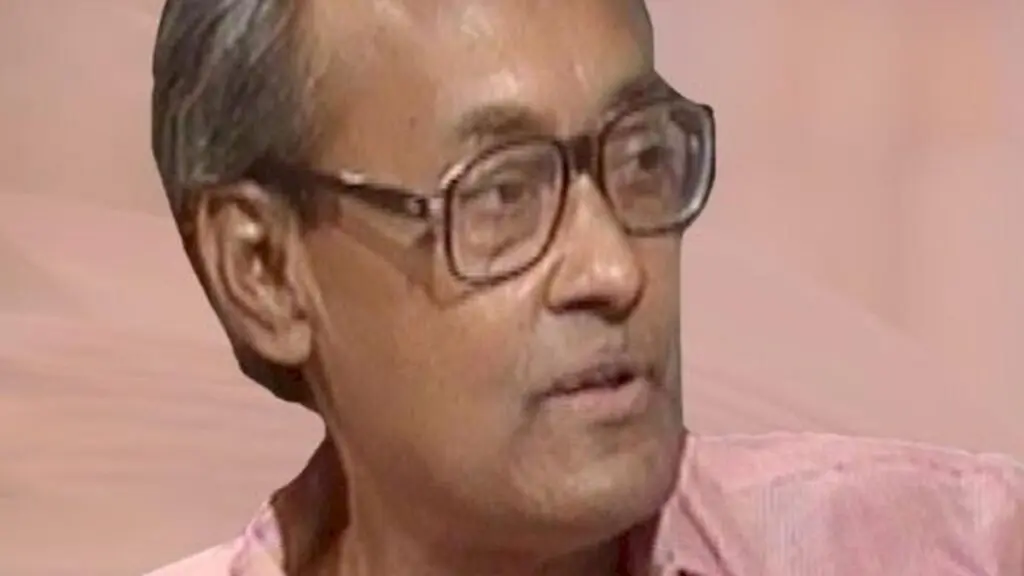
Professor Sumit Sarkar, one of India's most influential modern historians, has died. Educated at Presidency College and the University of Calcutta, he taught for 30 years at the University of Delhi's history department. His scholarship reshaped the understanding of Indian nationalism, focusing on popular struggles and the internal debates within the national movement.
Sarkar's work on the Swadeshi movement in Bengal highlighted its radical agenda for complete independence, its international connections, and the contestations over ideology. He examined how Hindu religious symbols were used for mobilisation but also noted the recognition among contemporaries that such invocations risked reinforcing Muslim exclusion and caste privilege. He documented efforts to find cross-community figures and cited Hemchandra Kanungo's later critique of the movement's religious framing.
A Marxist historian, Sarkar argued that nationalism was democratised not by elites but by popular movements of marginalised groups, including lower castes, tribals, socialists and communists. He stressed that India's constitutional features, universal suffrage, secularism, federalism and affirmative action, were absent from early nationalist programmes and emerged only through sustained internal debate and mass mobilisation.
Indian Opinion Analysis
Sarkar belonged to the generation of historians who moved beyond elite-focused narratives of the freedom struggle. His work on the Swadeshi movement remains a landmark because it refused to celebrate or condemn nationalism as a monolith, instead tracing its contradictions and internal reforms. For readers, his legacy matters because the questions he raised, about the exclusions built into nationalist mobilisation, the role of religious symbolism, and the pressure from below to broaden the idea of freedom, remain alive in contemporary debates on secularism and caste. The next milestone to watch will be how his body of work is taught and cited in Indian universities, especially amid ongoing curriculum debates.
Source: timesofindia.indiatimes.com
This story was synthesised by AI from the source linked above. Methodology and corrections.