











Now Reading: India’s scholar-kings combined power with intellectual curiosity
-
01
India’s scholar-kings combined power with intellectual curiosity


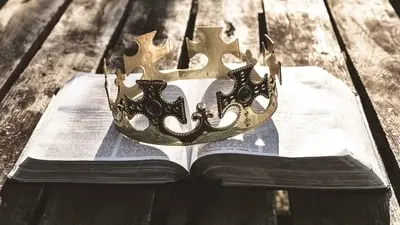
From Samudragupta to Jawaharlal Nehru, India's history is replete with rulers who were also scholars, philosophers, and patrons of the arts. A new essay in Hindustan Times highlights how these figures viewed intellectual pursuits as integral to sovereignty, not as mere ornaments of power.
The list includes Samudragupta, depicted playing the veena on a gold coin, Harshavardhana, an accomplished playwright, and Krishnadevaraya, who wrote the Telugu work Amuktamalyada. Mughal emperor Akbar established the Ibadat Khana for interfaith debates, while his son Jahangir was a keen naturalist. Sawai Jai Singh II built the Jantar Mantar observatories.
The tradition extended into modern times with Mahatma Gandhi, Dr S. Radhakrishnan, and Dr Zakir Husain, all of whom combined political leadership with deep scholarly engagement. The essay argues that the Indian ideal of kingship required not just military prowess but 'buddhi', intelligence, judgement, and discrimination.
Indian Opinion Analysis
This historical survey serves as a reminder that the link between power and learning in India was not accidental but structural, rooted in the concept of dharma. The practical implication for today is whether modern Indian political leadership still values deep scholarship, or whether the demands of electoral politics have severed that connection. The next test will be how the current government engages with institutions of higher learning and whether it encourages a revival of this tradition in public life.
Source: hindustantimes.com
This story was synthesised by AI from the source linked above. Methodology and corrections.