












Now Reading: How India’s Tiny Gnat Challenged Pakistan’s Sabres
-
01
How India’s Tiny Gnat Challenged Pakistan’s Sabres


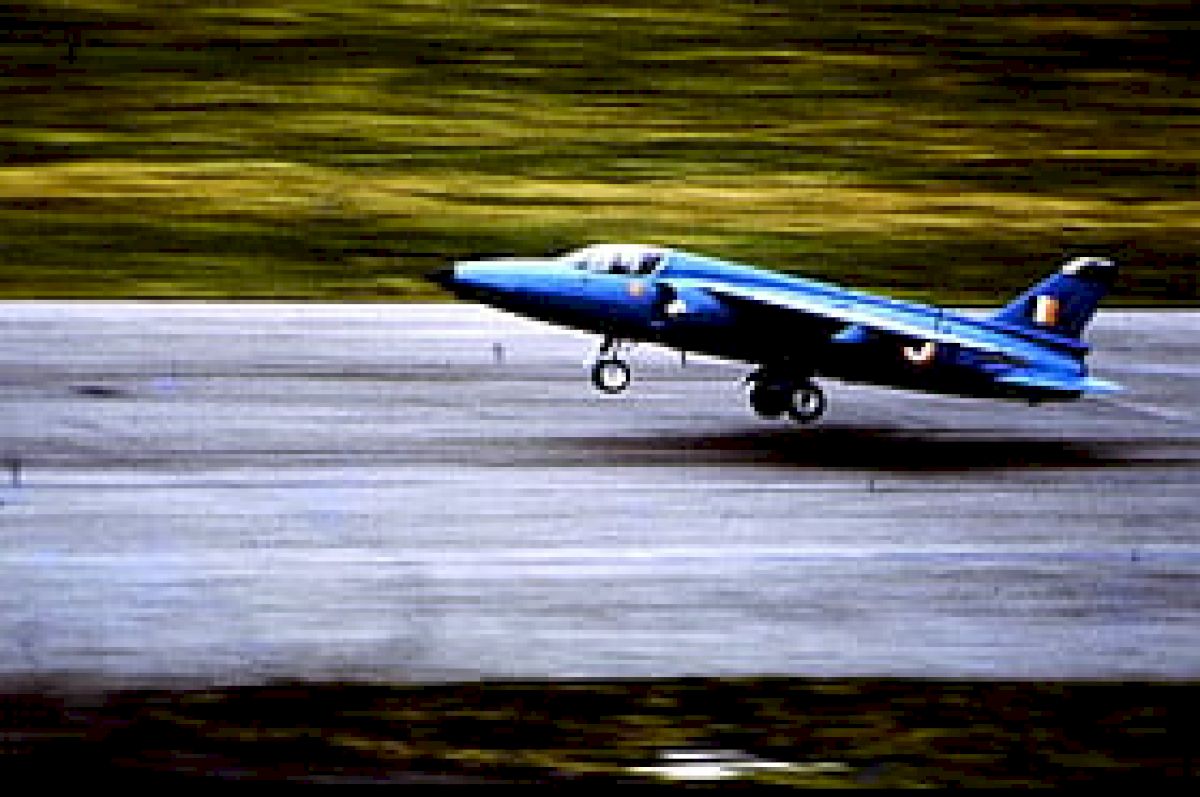
A 1967 Indian postage stamp celebrated the Gnat, the small jet fighter that became a symbol of India’s air power after the 1965 war. The aircraft was designed in Britain by Teddy…
The Story in Brief
A 1967 Indian postage stamp celebrated the Gnat, the small jet fighter that became a symbol of India’s air power after the 1965 war. The aircraft was designed in Britain by Teddy Petter as a low-cost, lightweight alternative to larger interceptors. India signed an agreement in 1956 to buy the aircraft and manufacture it under licence at Hindustan Aeronautics Limited in Bengaluru.
The Gnat lacked radar and suffered from difficult hydraulics, control problems and uneven thrust during take-off. In the air, however, it offered a rapid climb, light controls and a small profile. Pakistan’s F-86 Sabres had stronger equipment, armour and firepower, along with American support and Sidewinder missiles.
The Indian Opinion
The lazy version of this story says a tiny jet single-handedly defeated a superior enemy. That turns a demanding air campaign into a slogan. The opposite claim, that size and technology alone decide combat, is just as weak. Pilot training, tactics, maintenance and mission conditions mattered alongside the Gnat’s agility and the Sabre’s equipment. Any serious verdict should begin with verified 1965 combat records, including sorties, losses and confirmed victories, rather than a postage stamp or patriotic legend.
Source: swarajyamag.com
This story was synthesised by AI from the source linked above.