Now Reading: How McDonald’s lost its way and won it back
-
01
How McDonald’s lost its way and won it back


In 2004, a franchisee recalled a mother who bought a Happy Meal, took the toy, and threw the food in the bin. It was not an isolated incident but a symptom of…
The Story in Brief
In 2004, a franchisee recalled a mother who bought a Happy Meal, took the toy, and threw the food in the bin. It was not an isolated incident but a symptom of years of brand neglect at McDonald's. By 2002, the stock had fallen from $45 to $12, and customer satisfaction placed the chain last among 60 fast-food brands on food quality.

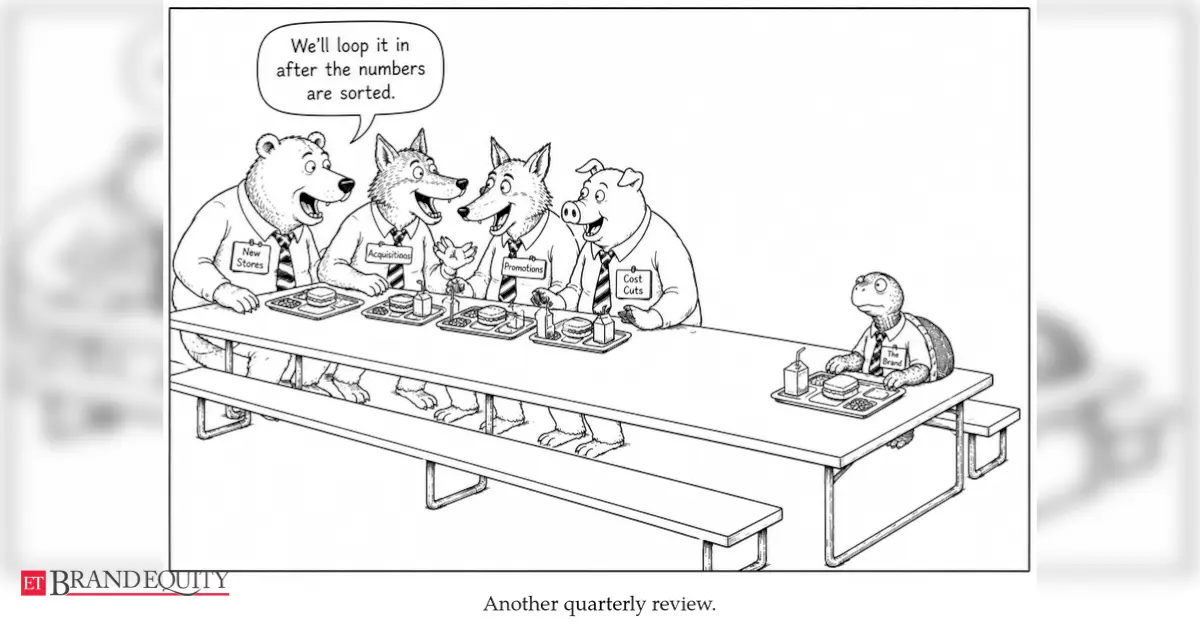
The turnaround focused on fixing the experience: better food, cleaner restaurants, consistent service. The 'I'm Lovin' It' campaign came after the recovery had begun, not before. The lesson is that decline does not arrive; it accumulates through small decisions optimised for short-term metrics rather than brand coherence.
The Indian Opinion
The McDonald's story is often told as a heroic turnaround, but the mother who bought a Happy Meal only for the toy is a sharper parable. The lazy narrative blames 'short-term thinking' as if it were a management fad. The truth is more uncomfortable: each decision made perfect sense to the department that made it. The real test for any business is not whether it can recover from a crisis, but whether its metrics measure coherence, not just activity. Will your quarterly review catch the thousand small cuts before the wound becomes visible?
Source: brandequity.economictimes.indiatimes.com
This story was synthesised by AI from the source linked above.