












Now Reading: Roshni received 5,610 distress calls in Hyderabad in 2025
-
01
Roshni received 5,610 distress calls in Hyderabad in 2025


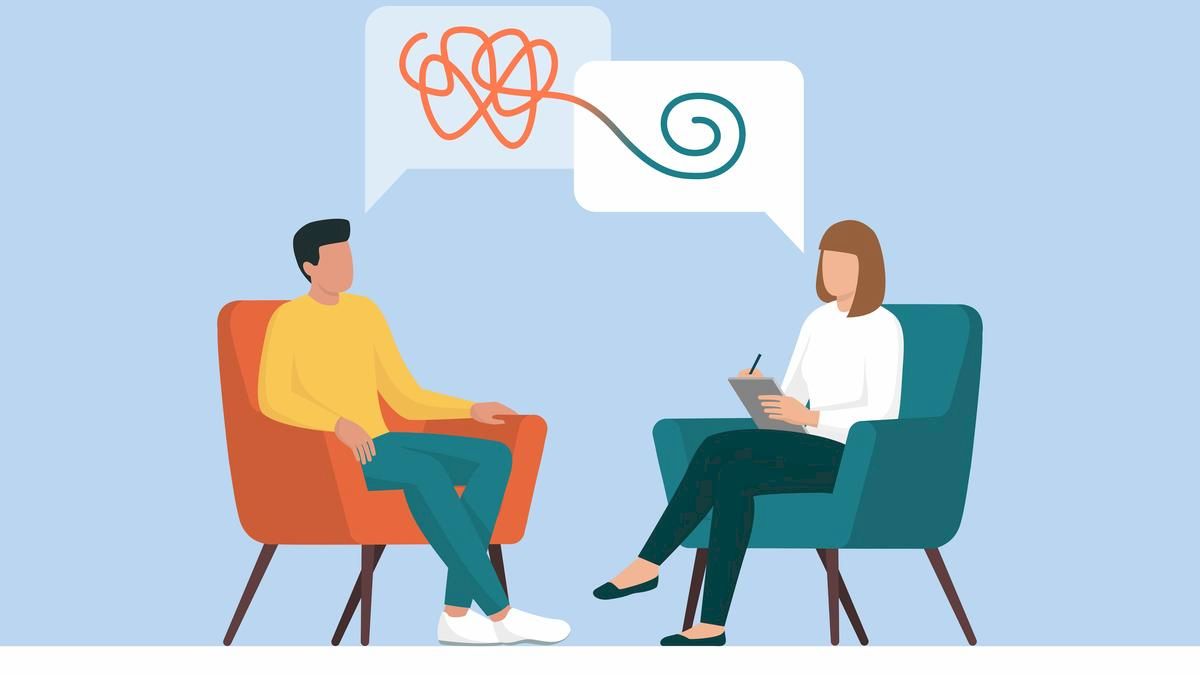
Hyderabad-based emotional support NGO Roshni received 5,610 calls in 2025, with people aged 18 to 30 accounting for 2,537, or about 45%, The Hindu reports. Men made 4,003 calls, compared with 1,497…
The Story in Brief
Hyderabad-based emotional support NGO Roshni received 5,610 calls in 2025, with people aged 18 to 30 accounting for 2,537, or about 45%, The Hindu reports. Men made 4,003 calls, compared with 1,497 from women and 110 from others. Mental health concerns featured in 2,151 calls, followed by relationship issues at 1,733 and financial problems at 987.
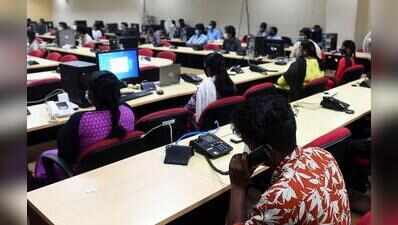
The Times of India reports that betting losses, loans, layoffs and job insecurity often featured in financial distress calls. Roshni uses 70 trained volunteers to provide ‘befriending’, or a confidential space to talk. High-risk callers may receive follow-up calls, with family support sought where necessary. The organisation began in Hyderabad in 1997.
The Indian Opinion
The lazy claim that every distress call is simply a mental health problem misses the mix of relationship, financial and marital troubles recorded by Roshni. The opposite claim, that betting or debt alone explains the crisis, is also too narrow. A listening service cannot replace treatment, debt support or safer gambling rules, but it can keep someone connected at a dangerous moment. The useful test is whether follow-up support reaches high-risk callers, not just how many calls are logged.
Sources (2): thehindu.com, timesofindia.indiatimes.com
This story was synthesised by AI from the 2 sources linked above.
Updated: this story now draws on 2 sources.