













Now Reading: Hyderabad memoir weaves personal history with city’s heritage
-
01
Hyderabad memoir weaves personal history with city’s heritage


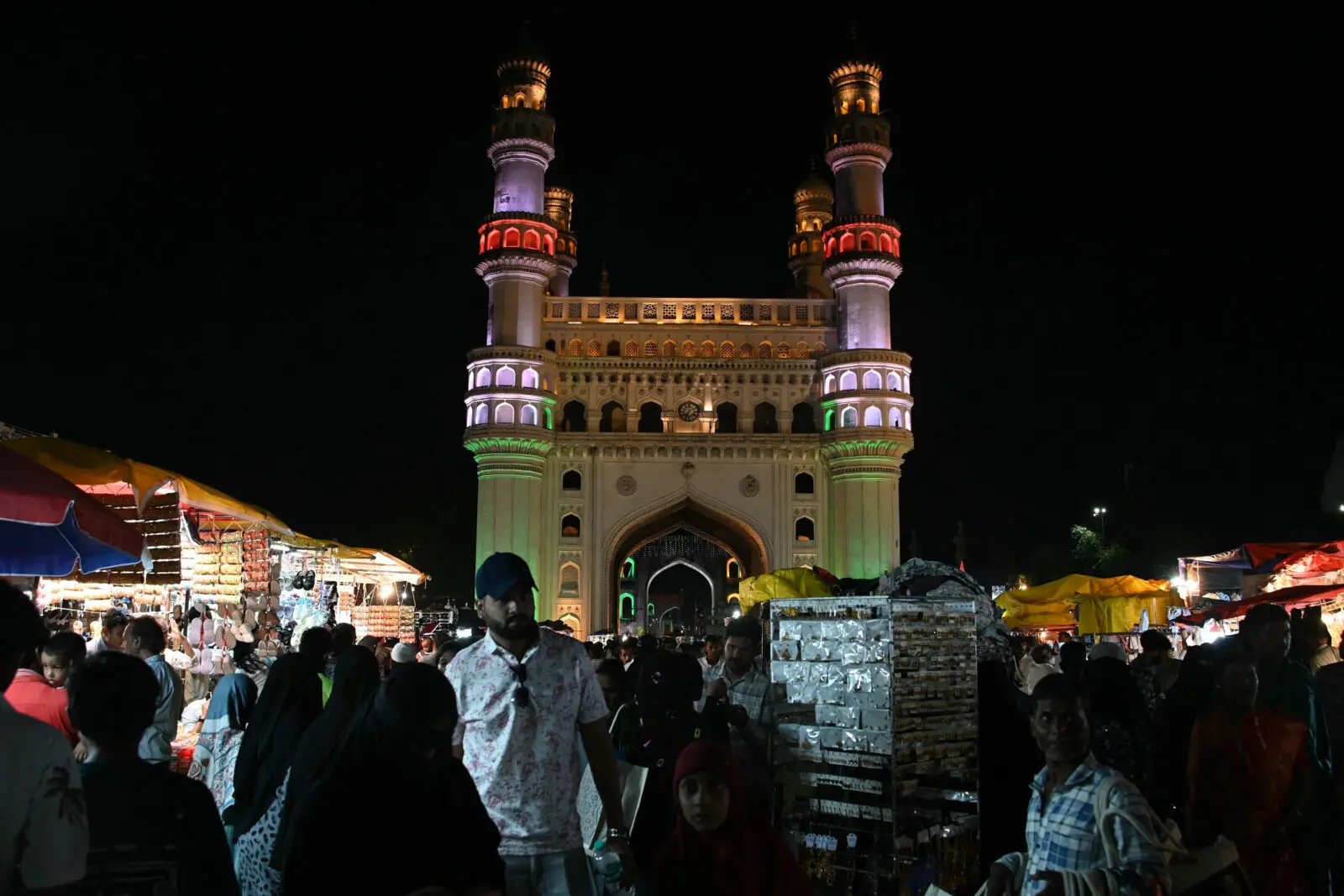
A first-person account traces a narrator's return to Hyderabad, blending family lore with the city's sensory and social landscapes. The narrative opens with a distant relative of the Nizam, an equestrian from Banjara Hills, and moves through encounters with traditional crafts: lac bangles, silver leaf (varq), and the ateliers of the Old City.

The narrator recalls a grandmother's English-style tea party attended by figures such as former diplomat Abid Husain and singer Vidya Rao, and visits to the Qutb Shahi tombs, Paigah mausoleums, and a Freemason lodge. The essay links the family to Abid Hasan Safrani, who coined the Indian Army's war cry, and Suraiya Hasan Bose, a textile revivalist.
Food anchors the story: za'atar manakeesh, Qabooli pilaf, Irani chai, and haleem mark the narrator's days. The piece is published by Deccan Chronicle as a standalone literary essay, not tied to a specific news event.
Indian Opinion Analysis
This essay is a work of literary non-fiction, not a news report, but it documents a vanishing Hyderabad of aristocratic Muslim lineages and multi-generational craft families. The references to figures like Abid Husain (former governor) and Suraiya Hasan Bose (textile scholar) ground the personal story in real political and cultural history. For readers unfamiliar with Hyderabad, the piece serves as a layered portrait of the city's syncretic elite, whose influence has waned as real estate and new money reshaped the urban landscape. The author's choice to foreground craft, food, and architecture over politics signals a nostalgic rather than polemical intent.
Source: deccanchronicle.com
This story was synthesised by AI from the source linked above. Methodology and corrections.