



Now Reading: IISc team reverses TB drug resistance with antibiotic combo
-
01
IISc team reverses TB drug resistance with antibiotic combo


The Story in Brief
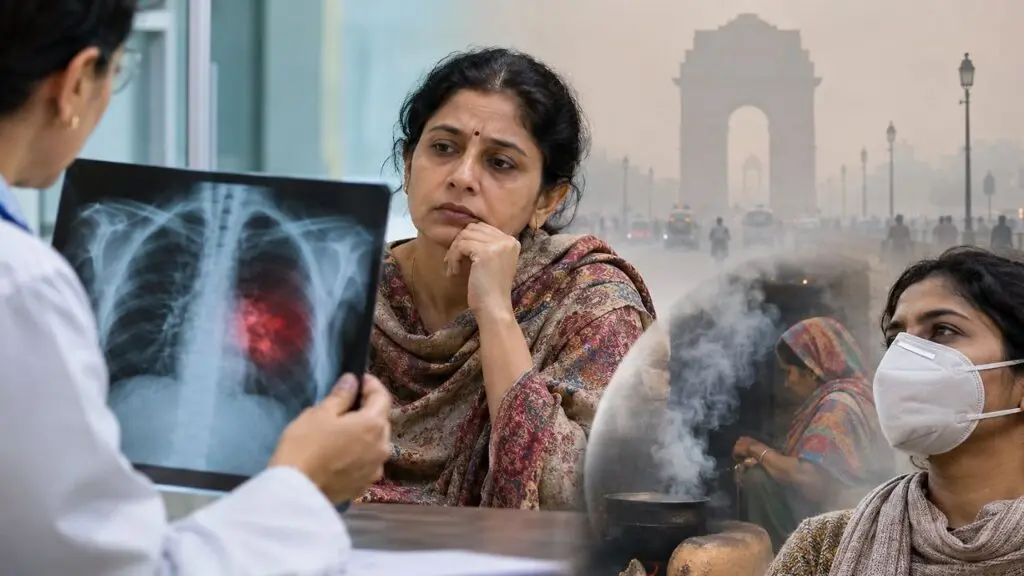
Researchers at the Indian Institute of Science (IISc) have found that combining the frontline TB drug isoniazid with vancomycin can reverse drug resistance in laboratory tests and in mice. The study, published in Microbiology Spectrum, showed that the combination sharply reduced bacterial growth in clinical isolates from drug-resistant TB patients and lowered bacterial load in mice infected with multidrug-resistant Mycobacterium tuberculosis.
Isoniazid is a prodrug that requires activation by a bacterial enzyme, mutations can block this, causing resistance. Vancomycin normally struggles to penetrate the TB bacterium's cell wall, but when given together, the wall loses integrity, allowing vancomycin to enter and kill the bacteria. After 10 days of treatment in mice, the combination cut bacterial load by about 10-fold in lungs and spleen and reduced lung granulomas.
The team, led by Professor Nagasuma Chandra and first author Sukriti Pal, worked with the National Tuberculosis Institute, Bengaluru. The combination is not yet ready for patients, the researchers are working to advance it towards clinical trials.
Indian Opinion Analysis
Both outlets cover the IISc study as straight news, with near-identical facts and quotes. Times of India leads with the lab and mice results, while The Hindu leads with the broader context of TB as a persistent health challenge and the 'alarming' resistance. Neither source overstates the findings, both clearly state the combination is not yet for patients and needs clinical trials. The coverage is uniform and restrained, with no political or ideological framing. The next concrete step is the team's work to advance the combination toward clinical trials, as reported by both outlets.
Coverage: 2 sources, 2 neutral
Sources (2): timesofindia.indiatimes.com (neutral report), thehindu.com (neutral report)
This brief was synthesised by AI from the 2 sources linked above, so one read covers every framing they carry. Methodology and corrections.