











Now Reading: Doctors answer top lung health questions on pollution and symptoms
-
01
Doctors answer top lung health questions on pollution and symptoms

Doctors answer top lung health questions on pollution and symptoms


Leading pulmonologists have answered common questions about lung health, covering the effects of air pollution, silent pneumonia, post-COVID recovery and when to seek tests. The experts say prolonged exposure to air pollution…
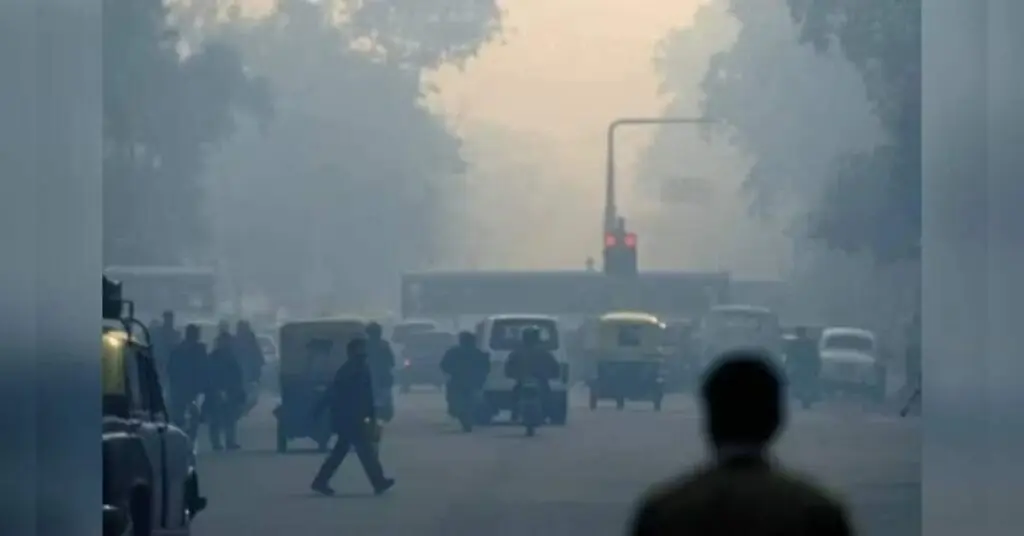
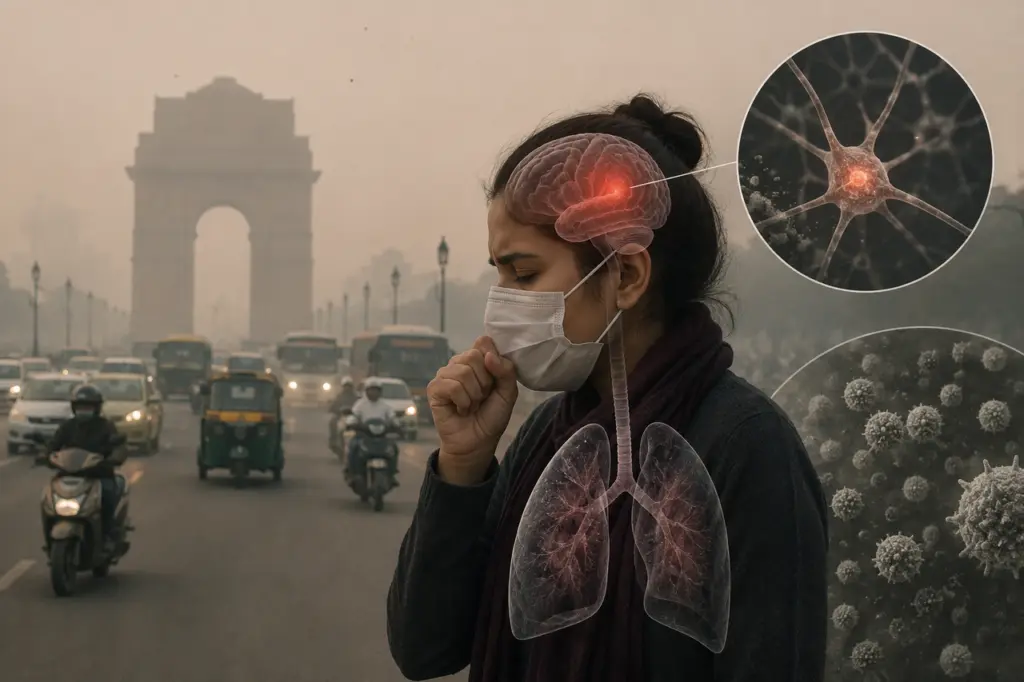
Leading pulmonologists have answered common questions about lung health, covering the effects of air pollution, silent pneumonia, post-COVID recovery and when to seek tests. The experts say prolonged exposure to air pollution can damage lungs even without symptoms, as fine PM2.5 particles cause inflammation and oxidative stress. Pneumonia can also occur without obvious signs, especially in older adults or those with weakened immunity, where unusual fatigue or confusion may be the only clues.

Normal oxygen levels and no breathlessness do not guarantee healthy lungs, as early damage may be symptom-free. For most people who fully recovered from COVID-19 years ago, routine lung tests are unnecessary unless they have persistent symptoms. Routine lung function tests are not advised for healthy people, they are recommended for those with chronic cough, wheezing, breathlessness, smokers, or those over 60 before major surgery. TB screening is risk-based, focusing on close contacts and those with exposure or relevant symptoms.
Indian Opinion Analysis
Air pollution is now the third-leading risk factor for disease burden in India, according to the 2024 State of Global Air report, with average PM2.5 levels far exceeding WHO guidelines. The Indian Council of Medical Research has linked rising COPD and lung cancer cases to prolonged exposure, particularly in urban areas. Pulmonary function tests are covered under some central government health schemes, but access remains limited outside major hospitals. The next update of India's National Clean Air Programme targets, due for review by the end of this year, will show whether city-level reductions in particulate matter are translating into measurable health improvements.
Source: timesnownews.com
This brief was synthesised by AI from the source linked above.