












Now Reading: IIT-Guwahati and IIT Bombay develop low-cost green hydrogen catalysts
-
01
IIT-Guwahati and IIT Bombay develop low-cost green hydrogen catalysts


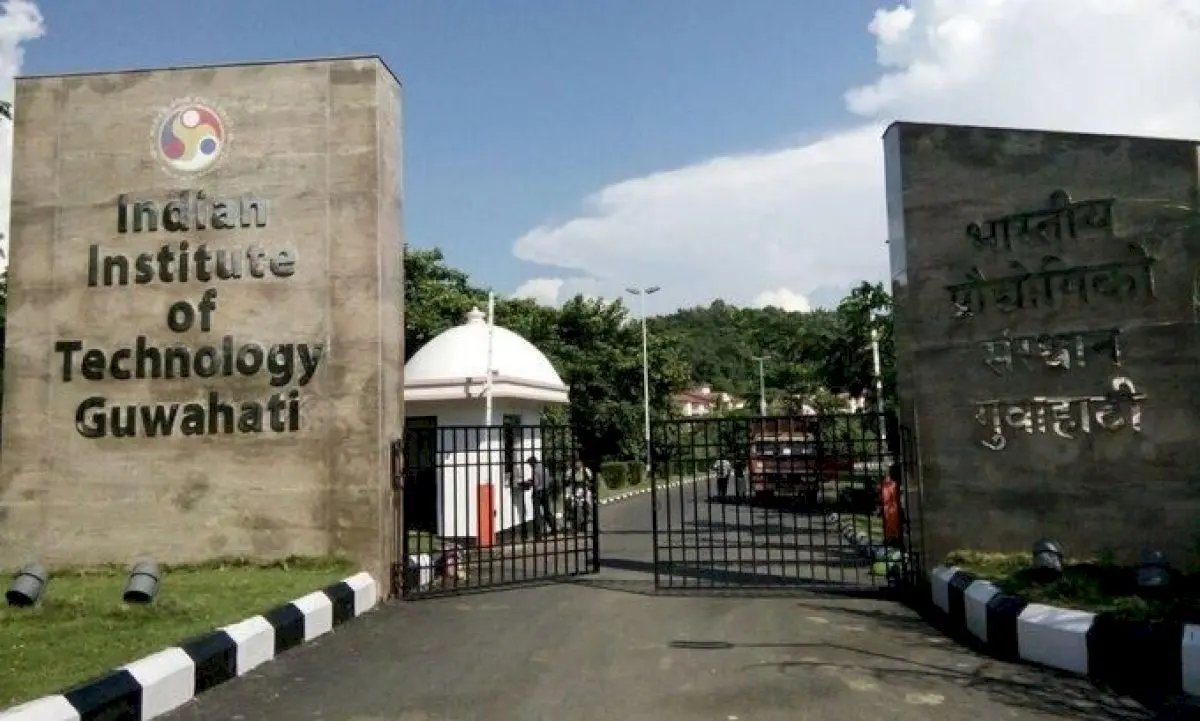
Researchers at IIT-Guwahati have developed a low-cost catalyst using nickel and an anthracene-based organic molecule to produce hydrogen from water. The Assam Tribune reports that the catalyst was synthesised in a simple…
Researchers at IIT-Guwahati have developed a low-cost catalyst using nickel and an anthracene-based organic molecule to produce hydrogen from water. The Assam Tribune reports that the catalyst was synthesised in a simple process at room temperature with ultrasonic waves, and nearly 88 percent of electrical energy was used to split water. The study, published in the Journal of Materials Chemistry A, was led by associate professor Akshai Kumar.
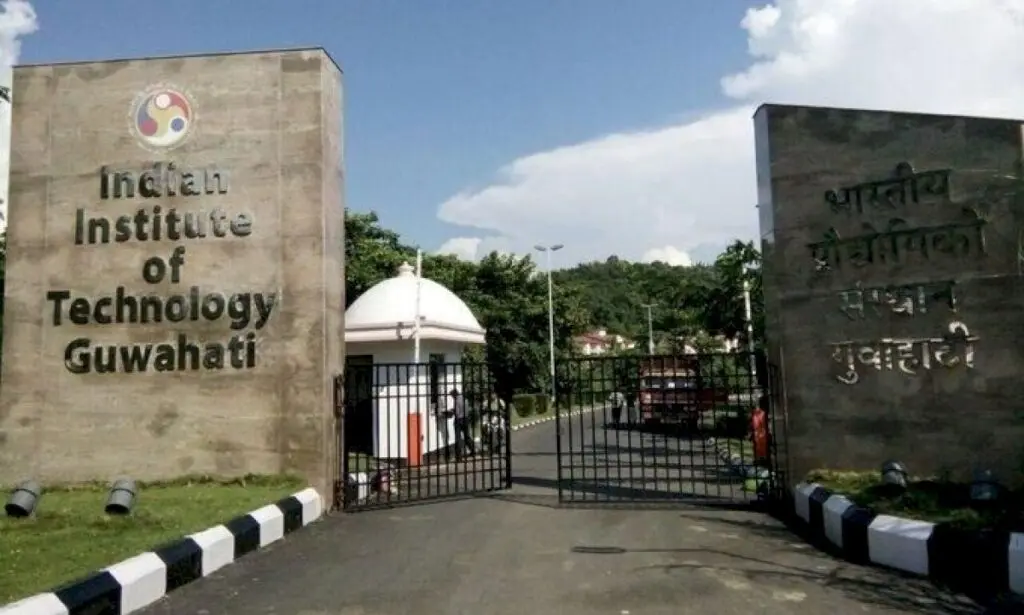
Separately, IIT Bombay researchers have engineered a catalyst from earth-abundant materials including cobalt, nickel, phosphate, and graphite. According to Rediff, this catalyst avoids expensive noble metals like platinum or iridium and accelerates both hydrogen and oxygen generation. The team used molecular precursor engineering, with Dr Savi Chaudhary as first author and Prof Ramaswamy Murugavel as corresponding author. Both teams aim to support India's National Green Hydrogen Mission by making production cheaper and scalable.
Sources (2): assamtribune.com, rediff.com
This story was synthesised by AI from the 2 sources linked above.
Updated: this story now draws on 2 sources.