












Now Reading: Income Tax Dues Can Be Paid Using Credit Cards, With Charges
-
01
Income Tax Dues Can Be Paid Using Credit Cards, With Charges


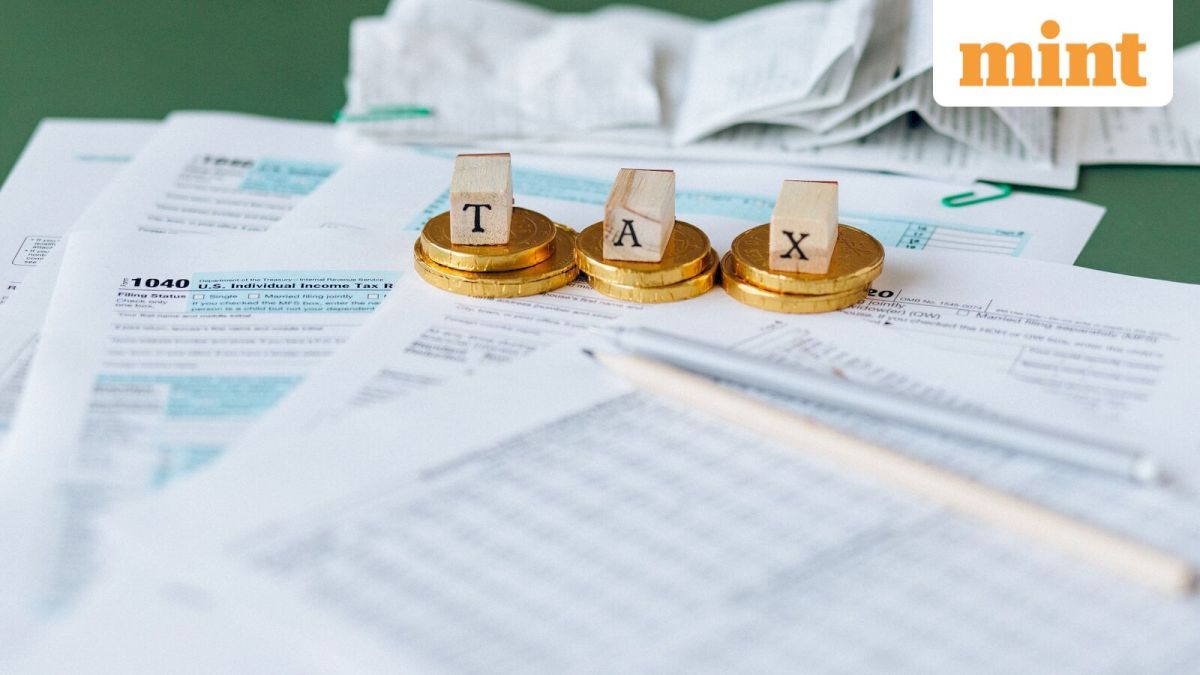
Taxpayers can pay certain income tax dues, including advance tax, self-assessment tax and outstanding demand, through credit cards on the income tax department’s e-filing portal. Payments can be made through the e-pay…
The Story in Brief
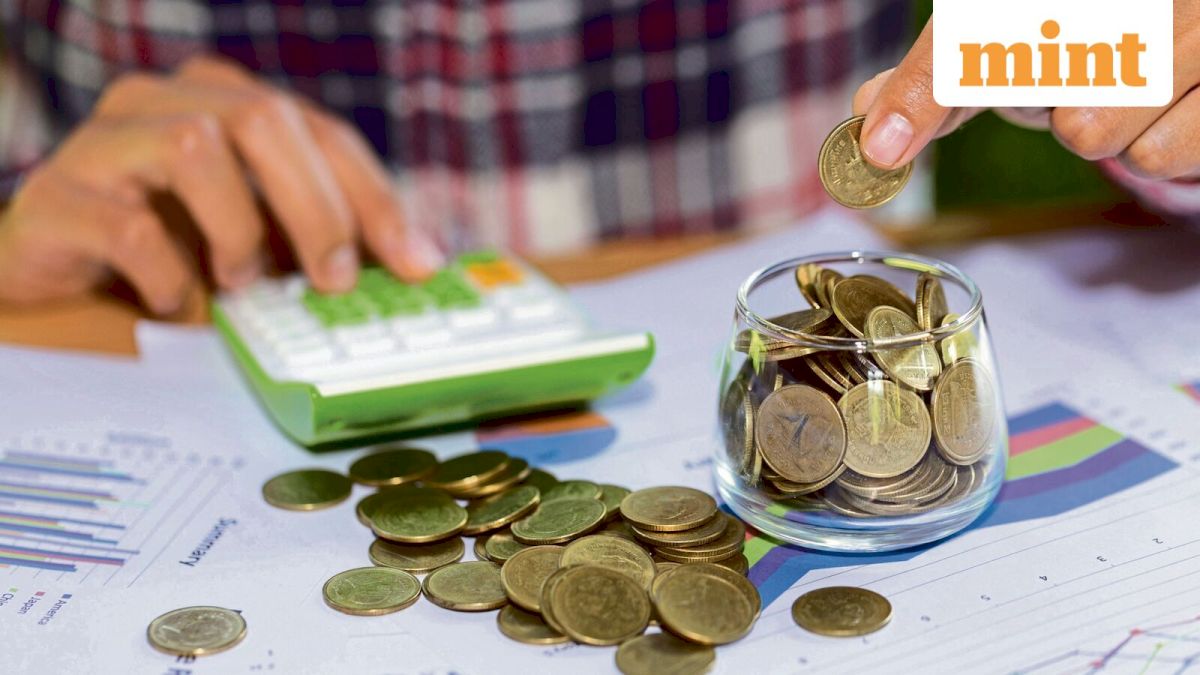
Taxpayers can pay certain income tax dues, including advance tax, self-assessment tax and outstanding demand, through credit cards on the income tax department’s e-filing portal. Payments can be made through the e-pay tax facility in pre-login or post-login mode, using authorised gateways.
Banks and payment gateways may charge 0.85% to 1.25% of the tax amount, according to a HDFC Bank report cited by Mint. The payment is treated like a regular card transaction. Interest applies if the full credit card bill is not paid by its due date. Taxpayers can select the relevant tax year and heads, choose credit card payment, and download the challan after a successful transaction.
The Indian Opinion
The easy-money pitch around paying taxes by credit card is incomplete. It can provide short-term cash flow, but the processing fee adds to the bill and delayed repayment can make the cost much higher. Rewards or cashback should not disguise that risk. The sensible test is simple: can the taxpayer repay the entire card bill by its due date, including the extra charge? If not, this convenience may become expensive borrowing.
Source: livemint.com
This story was synthesised by AI from the source linked above.
Updated: this story now draws on 1 sources.