











Now Reading: NPCI sets 0.4% MDR on UPI above Rs 2,000 from October 15
-
01
NPCI sets 0.4% MDR on UPI above Rs 2,000 from October 15


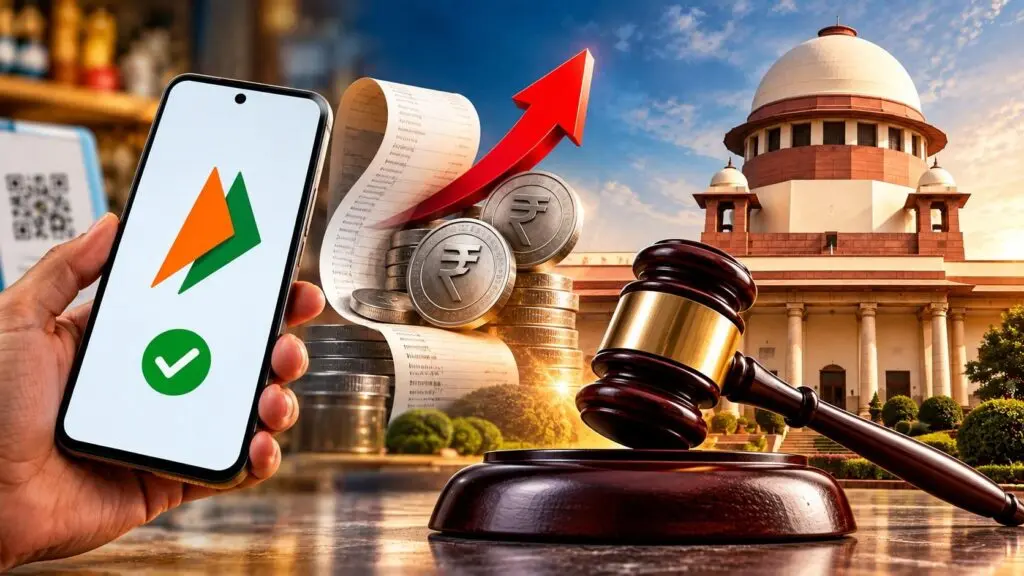
The National Payments Corporation of India has introduced a 0.4% Merchant Discount Rate on UPI person-to-merchant transactions above Rs 2,000, effective from October 15, 2026. Customers will not pay the charge directly.…
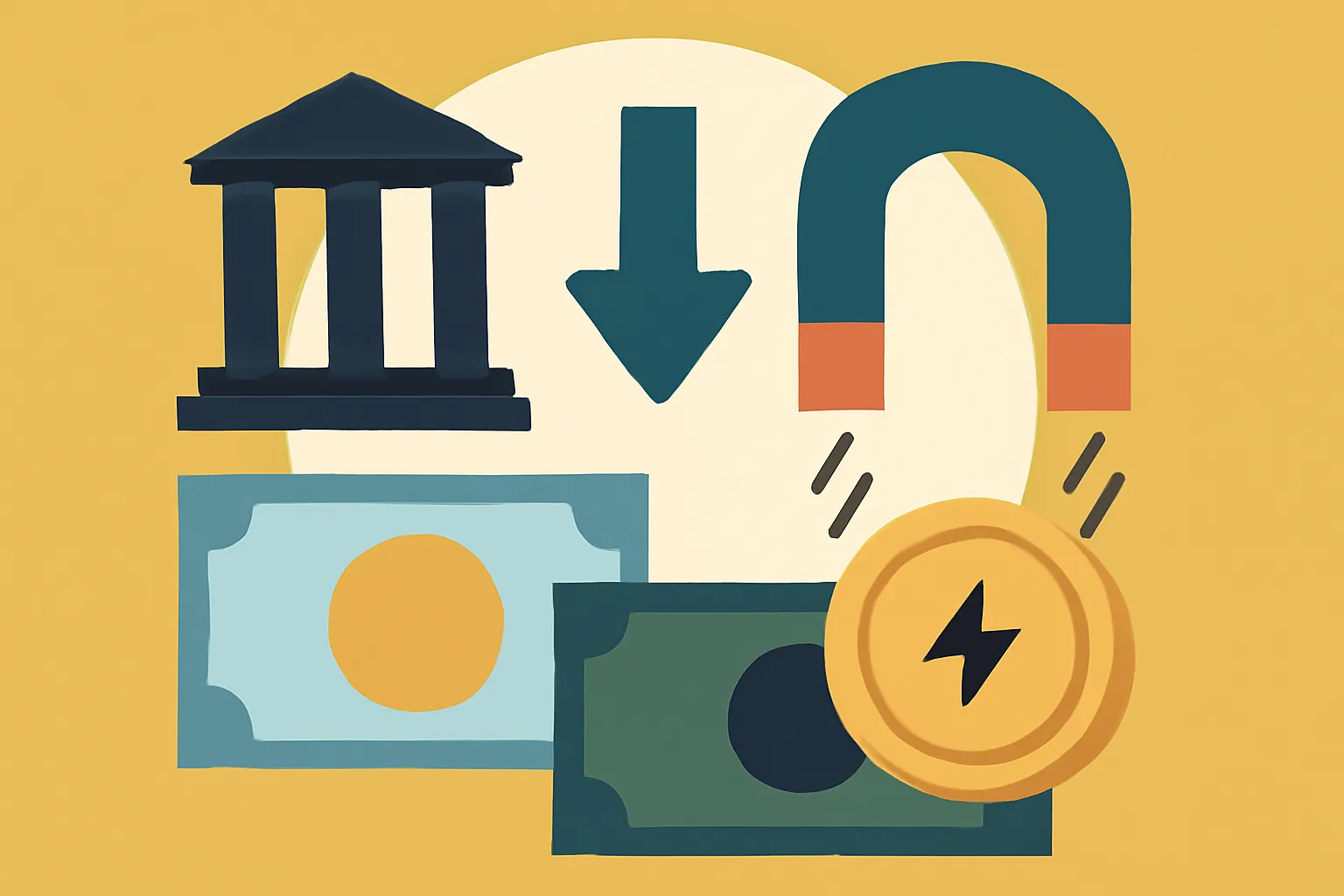
The National Payments Corporation of India has introduced a 0.4% Merchant Discount Rate on UPI person-to-merchant transactions above Rs 2,000, effective from October 15, 2026. Customers will not pay the charge directly. The MDR is levied on merchants and will be shared among banks, payment processors and app providers.
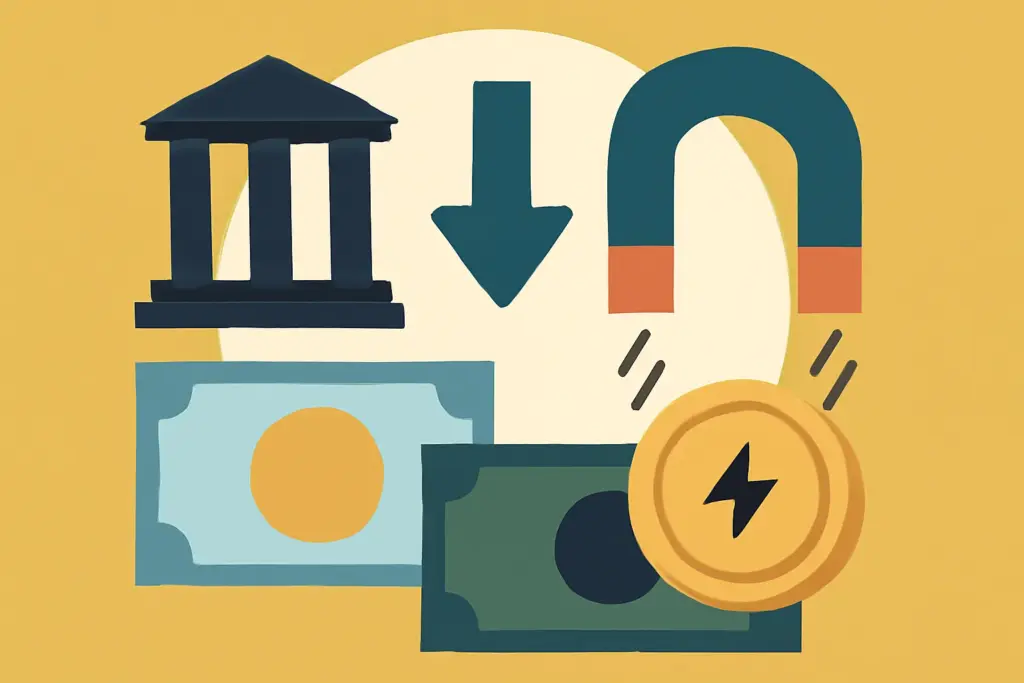
Small merchants receiving up to Rs 1 lakh per month through UPI QR codes are exempt. Person-to-person transfers and transactions up to Rs 2,000 also remain free. Special flat rates apply to railways, telecom, insurance and fuel sectors at Rs 5 per transaction above Rs 2,000. Capital market payments attract a 0.02% MDR capped at Rs 300.
The government said the move makes UPI self-sustainable and that only 4% of merchant transactions will be affected. A fund using 5% of MDR collections will promote UPI adoption among small businesses. The Tax and Other Laws Amendment Bill, 2026, provided legal backing for charges above Rs 2,000.
Indian Opinion Analysis
All four sources report the same facts from the NPCI circular and finance ministry release, without any discernible slant. The coverage is uniform straight reporting: each outlet leads with the key charge, the consumer exemption, and the effective date. The only variation is which sector rate each leads with, The Economic Times opens with the capital market rate, while others start with the standard 0.4% MDR. The uniformity suggests the government message was tightly controlled. The real test is whether merchants pass costs to consumers despite the ban, and whether the October 15 rollout proceeds without disruption.
Coverage: 4 sources, 4 neutral
Sources (4): ndtv.com (neutral report), thehindu.com (neutral report), news.abplive.com (neutral report), economictimes.indiatimes.com (neutral report)
This brief was synthesised by AI from the 4 sources linked above, so one read covers every framing they carry.
Updated: this story now draws on 4 sources.