













Now Reading: India achieves 20% ethanol blending milestone in 2025-26
-
01
India achieves 20% ethanol blending milestone in 2025-26


The Story in Brief
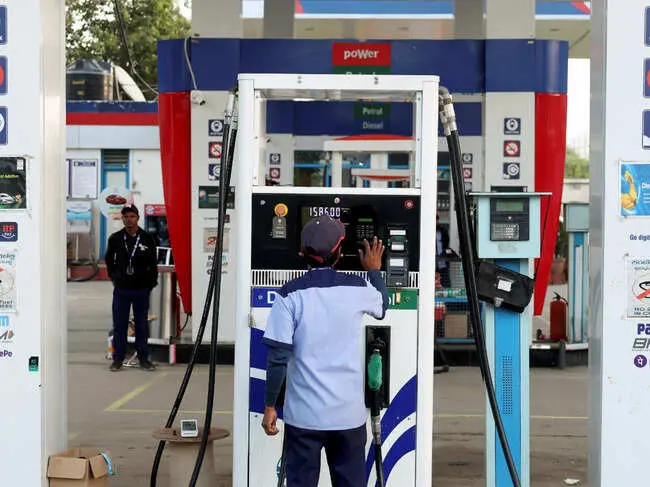
India has effectively met its 20% ethanol blending target for the 2025-26 Ethanol Supply Year (ESY), with grain-based feedstock accounting for nearly three-fourths of total supplies, according to provisional data from the All India Distillers' Association (AIDA). The industry body said on Thursday, 19 November, that the country recorded an average blending level of 19.99% during the supply year ended October 31, 2026.
The provisional figures showed that 1,134.36 crore litres of ethanol were blended against a total requirement of 1,050 crore litres. Total allocations stood at 1,196.90 crore litres, while actual supplies were 1,088.91 crore litres. Grain-based ethanol accounted for 800.53 crore litres (73.52% of total supplies), with maize the largest individual feedstock at 489.71 crore litres, nearly 46% of total supplies. Sugar-based feedstock contributed 288.38 crore litres.
AIDA President Vijendra Singh said the achievement reflects collective efforts of the government, oil marketing companies, ethanol manufacturers and farmers. He added that a stable policy environment, timely procurement and continued investment in manufacturing capacity would be important to sustain the momentum.
Indian Opinion Analysis
Both sources present the AIDA data as a milestone achievement, with near-identical framing focused on the 19.99% blending level and the dominance of grain-based feedstock, especially maize. Neither outlet adopts a critical stance or questions the sustainability or cost of the policy. The uniform, neutral-report coverage reflects straight reporting of the industry body's provisional figures. The balanced reading is that India has come close to its target on paper, but the data is provisional, and AIDA itself has flagged the need for a stable policy environment and continued investment to sustain the momentum.
Coverage: 2 sources, 2 neutral
Sources (2): economictimes.indiatimes.com (neutral report), cnbctv18.com (neutral report)
This brief was synthesised by AI from the 2 sources linked above, so one read covers every framing they carry. Methodology and corrections.
Update, 20 November 2026: this story now draws on 2 sources.