















Now Reading: India caps FCI rice for ethanol after sugar ban
-
01
India caps FCI rice for ethanol after sugar ban


The Story in Brief
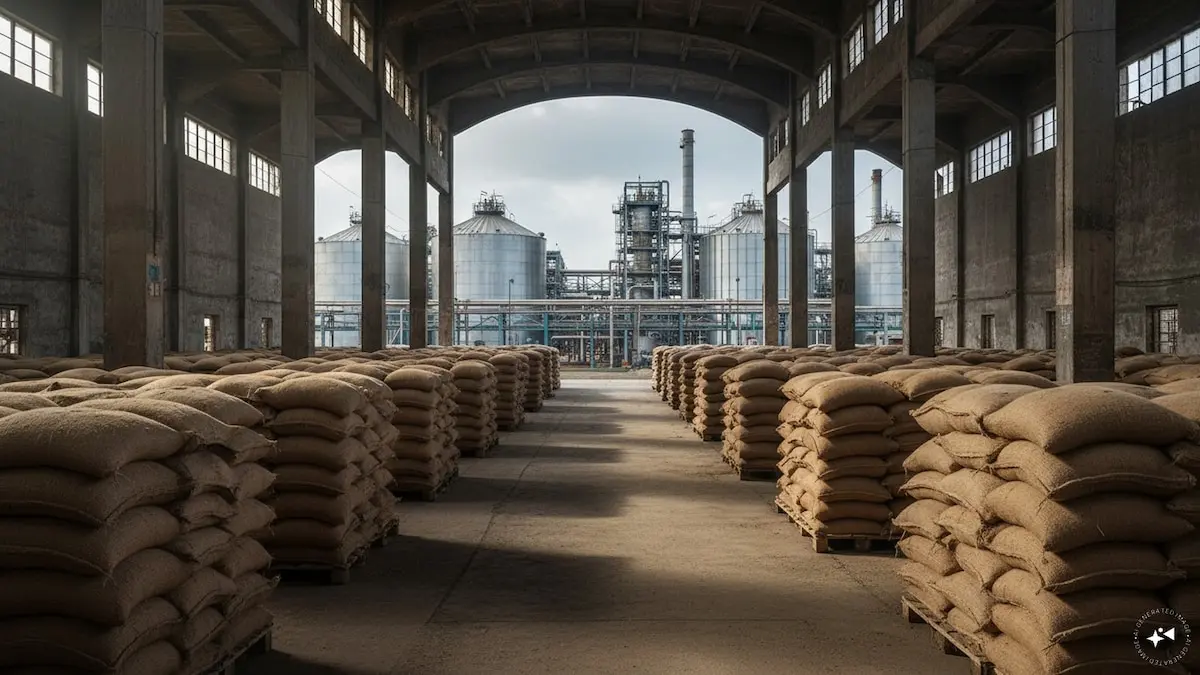
India has capped the use of Food Corporation of India (FCI) rice for ethanol production at 324 crore litres, following a ban on sugar-based ethanol for the 2026-27 supply year. The ceiling, set at 30% of the total tender volume of 1,100 crore litres, applies to ethanol made from surplus FCI rice. A quarterly limit of 108 crore litres per bidder has also been imposed.
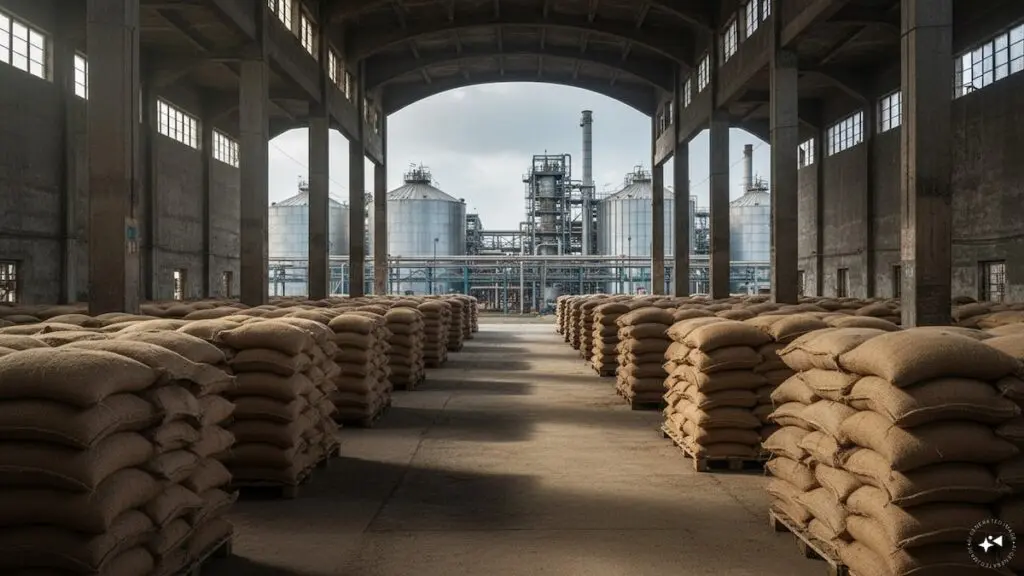
The Deccan Herald reported that a severe El Niño cut India’s monsoon by nearly 13% in 2026, pushing corn and sugar prices to record highs and retail food inflation to 7.74% in September. Industry insiders say India’s ethanol blending rate may fall to around 15% this year from 20% last year. The Supreme Court is hearing pleas by ethanol producers challenging preferential treatment for plants with long-term offtake agreements. The bidding deadline is 5 November.
Indian Opinion Analysis
CNBC-TV18 framed the cap on FCI rice for ethanol as a technical procurement move, leading with the government notification and bidding details. Deccan Herald framed the same policy as a wider reversal of India’s biofuel ambitions, foregrounding the El Niño monsoon failure, rising food inflation and political risk ahead of state elections. The two outlets treated identical facts, the 30% rice cap, the ban on sugar-based ethanol and the blending target, very differently: CNBC-TV18 held them as operational parameters, while Deccan Herald used them as evidence of a ‘food vs fuel’ crisis. Neither source disputes the facts, the difference lies entirely in contextualisation. Deccan Herald’s inclusion of farmer distress, overcapacity among distillers and a 13% monsoon shortfall gives a starker reading than CNBC-TV18’s tender-centric approach. The tender’s outcome, expected by early November, will test which framing holds in subsequent data on blending rates and feedstock availability.
Coverage: 2 sources, 1 government-critical, 1 neutral
Sources (2): cnbctv18.com (neutral report), deccanherald.com (government critical)
This brief was synthesised by AI from the 2 sources linked above, so one read covers every framing they carry. Methodology and corrections.