












Now Reading: Centre declares heatwaves a natural calamity, states get disaster funds
-
01
Centre declares heatwaves a natural calamity, states get disaster funds

Centre declares heatwaves a natural calamity, states get disaster funds

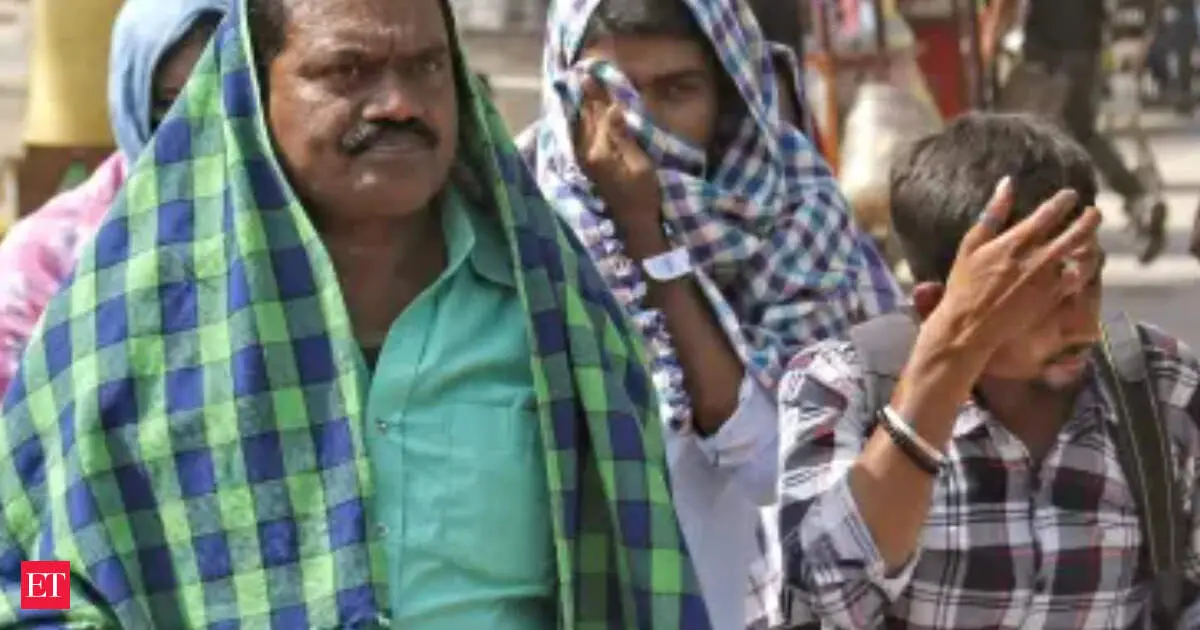
On August 4, the Centre declared heatwaves a notified natural calamity, allowing states to access the State Disaster Response Fund and State Disaster Mitigation Fund for mitigation. Krishna S. Vatsa of the…
The Story in Brief
On August 4, the Centre declared heatwaves a notified natural calamity, allowing states to access the State Disaster Response Fund and State Disaster Mitigation Fund for mitigation. Krishna S. Vatsa of the NDMA said these funds will act as seed money for cities to set up cooling shelters, water points, and heat action plans. Arunabha Ghosh of CEEW called heat stress an economic calamity, warning it impacts workforce productivity. Physician Harshal Salve said impact depends on implementation, urging stronger health systems for vulnerable populations.
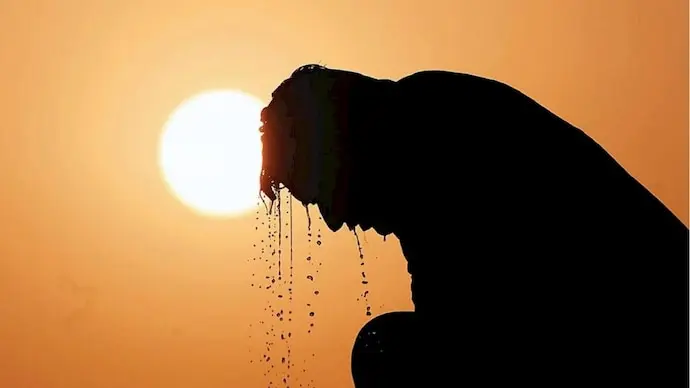
Separately, workers and civil society groups told the Labour Ministry on August 13 to recognise heat stress as an occupational hazard. At a Press Club gathering, groups including Janpahal and Greenpeace India presented the 'Garmi Khata' register documenting workers' heat experiences. They said over 380 million Indian workers face hazardous heat yearly, and called for binding protections such as rest breaks, shade, and income safeguards in the Occupational Safety Code.
The Indian Opinion
The heatwave notification is welcome, but should not become an excuse for states to merely draw funds without action. Workers' groups rightly point out that heat policies focus on alerts and ignore lost wages. The real test is whether municipal corporations implement cooling shelters and adjusted working hours, especially for street vendors and sanitation workers who cannot stay home. Will the next heat season produce fewer hospitalisations and income losses? That number alone will judge this policy's worth.
Sources (2): economictimes.indiatimes.com, indiatoday.in
This story was synthesised by AI from the 2 sources linked above.
Updated: this story now draws on 2 sources.