
















Now Reading: India eases export rules for rupee invoicing
-
01
India eases export rules for rupee invoicing


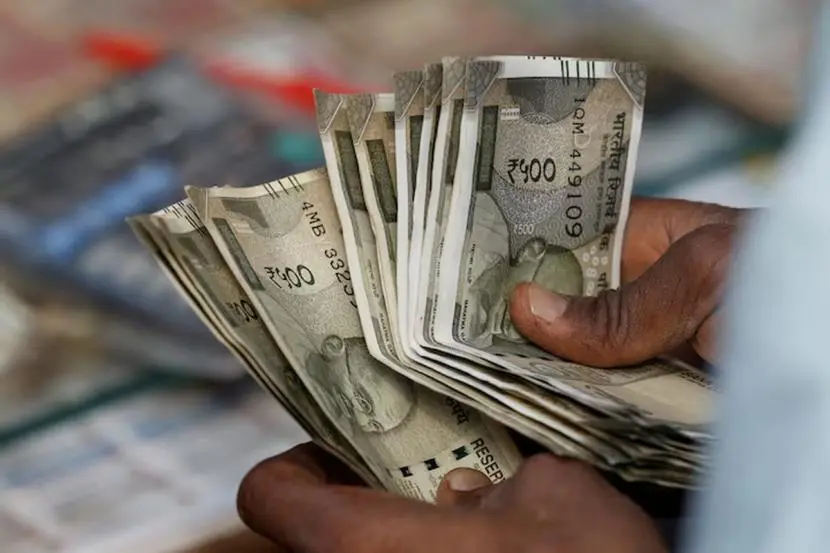
The government has amended the Foreign Trade Policy to let exporters invoice overseas sales and receive payments in Indian rupees, aligning rules with RBI regulations issued in 2023. For countries outside the Asian Clearing Union, export contracts can now be denominated in any foreign currency or rupees. Rupee earnings through approved banking channels will qualify for export benefits and count towards export obligations, treating them on a par with foreign-currency receipts.

The Directorate General of Foreign Trade said the change removes uncertainty for exporters who previously did not know whether rupee receipts would qualify for FTP benefits. However, trade think tank GTRI cautioned that while the regulatory barrier is gone, foreign buyers must be able to obtain rupees and overseas banks need practical options to use or repatriate rupee balances. Times of India reports RBI deputy governor Rohit Jain added that successful rupee trade depends on commercial viability, two-way trade corridors and competitive hedging. The rules for Asian Clearing Union members and for Nepal and Bhutan remain separate.
Indian Opinion Analysis
Both outlets report the same rule change neutrally, but their emphasis differs slightly. The Hindu Business Line leads with the policy detail and GTRI's technical commentary, positioning the amendment as a regulatory alignment that removes uncertainty. Times of India foregrounds the government's intention to ease export rules and immediately adds RBI deputy governor Rohit Jain's caution that rupee trade must be commercially viable. The Business Line omits the RBI official's sceptical caveat entirely, making the change sound more consequential than it may yet prove. Times of India includes the admission that past attempts to promote rupee trade have made 'not much headway', which the Business Line leaves out. The measured read: the rule change is real and removes a legal barrier, but both outlets' sources agree that without foreign buyers able to obtain and use rupees, the facility alone will not transform trade volumes this year.
Coverage: 2 sources, 2 neutral
Sources (2): thehindubusinessline.com (neutral report), timesofindia.indiatimes.com (neutral report)
This story was synthesised by AI from the 2 sources linked above. Methodology and corrections.
Updated: this story now draws on 2 sources.