










Now Reading: India-EU FTA quota for EU cars: 1 lakh in year one
-
01
India-EU FTA quota for EU cars: 1 lakh in year one


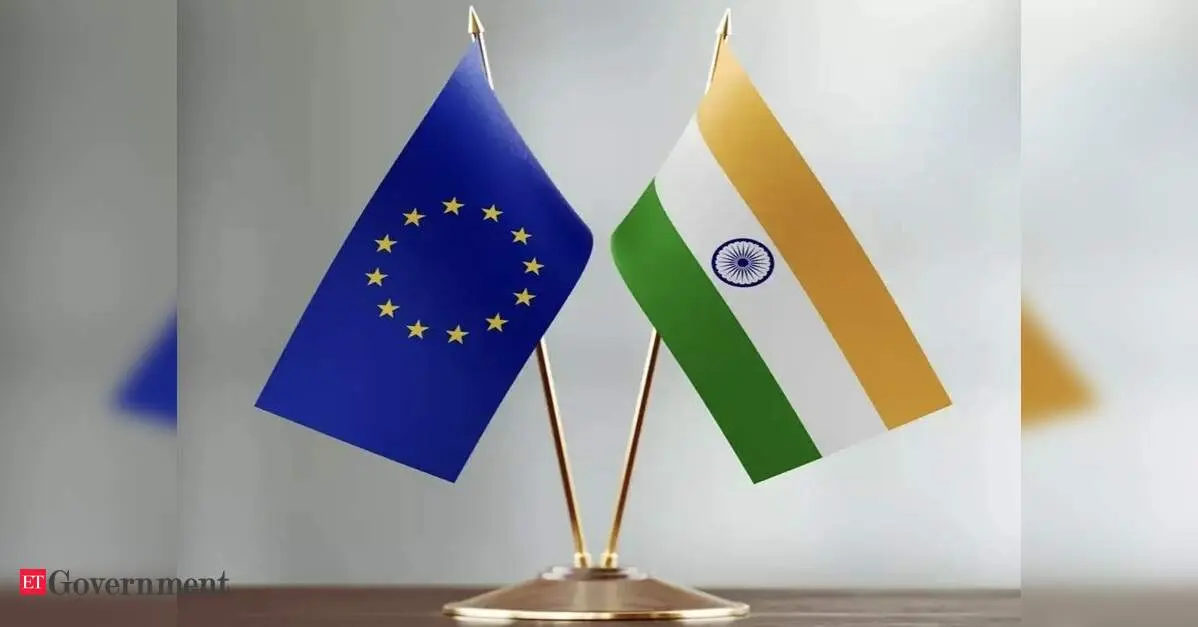
The India-EU Free Trade Agreement will allow European carmakers to export up to 1 lakh passenger vehicles to India at a concessional duty of 30 per cent in the first year, with…
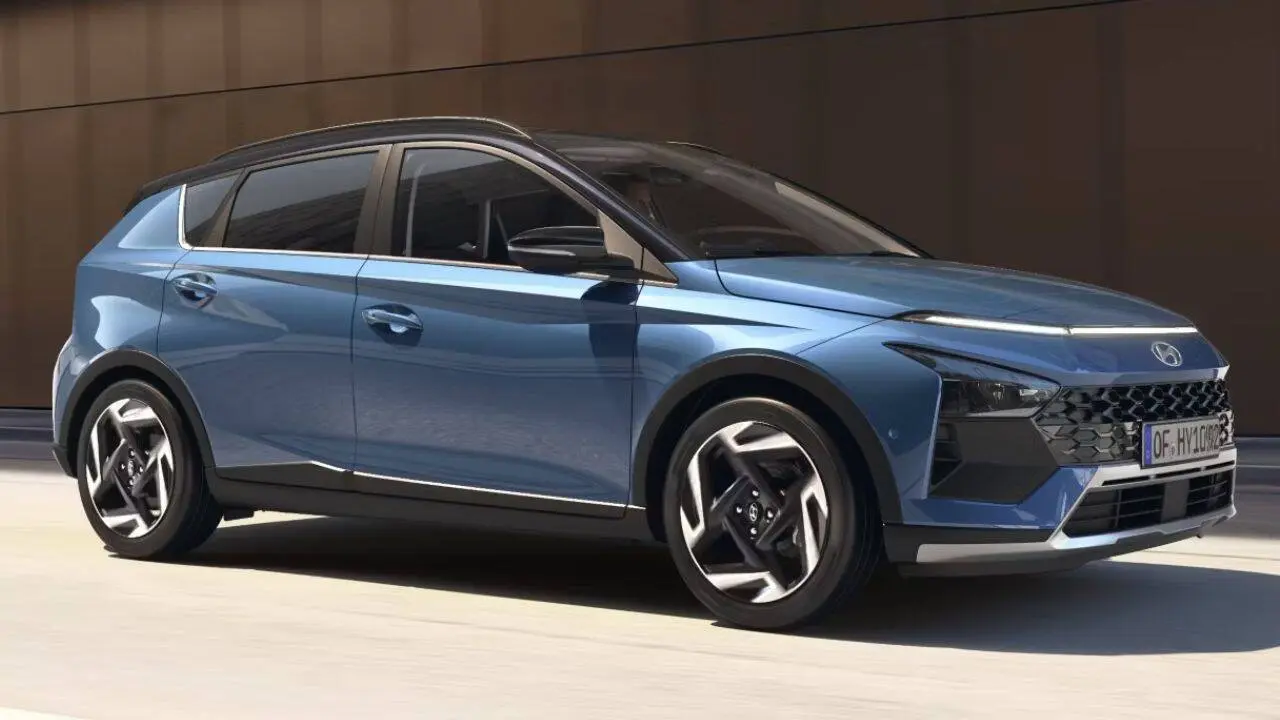
The India-EU Free Trade Agreement will allow European carmakers to export up to 1 lakh passenger vehicles to India at a concessional duty of 30 per cent in the first year, with the quota rising gradually to 1.6 lakh units by year 10, according to the draft text released by the European Commission. The duty on luxury cars priced above €35,000 will fall from 30 per cent to 10 per cent over five years. The EU will also permit 2.5 lakh Indian-built cars annually at 8 per cent duty, increasing to 4 lakh vehicles, while duties on Indian steel receive an additional preferential quota of 6.95 lakh tons on top of existing WTO limits.
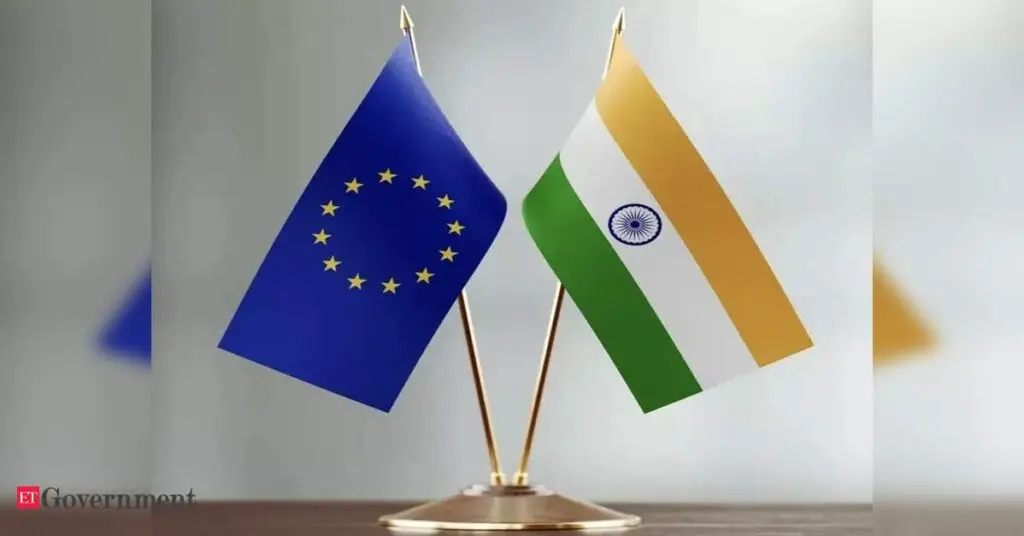
The agreement, announced on January 27 and now moving towards ratification, covers 96.6 per cent of EU goods exports to India and 99 per cent of Indian exports. However, Indian steel exports remain subject to the EU's Carbon Border Adjustment Mechanism, which can add costs of up to 35 per cent of value. The FTA is expected to enter into force by end of 2026.
Indian Opinion Analysis
NDTV Profit and the two Economic Times outlets reported the quota figures and ratification process neutrally, while The Hindu Business Line ran separate stories that cast the deal as a strategic win for Indian auto groups Tata, Bajaj and JSW, and flagged the EU's carbon levy on steel as a persistent cost. The Hindu also noted that the steel quota does not exempt India from the carbon border tax. The pro-business framing emphasised flexibility for Indian manufacturers, the critical framing stressed that carbon costs will erode margin gains. The combined reading shows India gets preferential access, but the EU's carbon mechanism will remain a real trade cost that industry has to absorb.
Coverage: 6 sources, 1 pro-government, 1 government-critical, 1 right-leaning, 3 neutral
Sources (6): ndtvprofit.com (neutral report), government.economictimes.indiatimes.com (pro government), auto.economictimes.indiatimes.com (neutral report), thehindubusinessline.com (neutral report), thehindubusinessline.com (2) (right leaning), thehindu.com (government critical)
This brief was synthesised by AI from the 6 sources linked above, so one read covers every framing they carry.
Updated: this story now draws on 6 sources.