







Now Reading: Indigenous mahouts care for India’s elephants with tradition
-
01
Indigenous mahouts care for India’s elephants with tradition


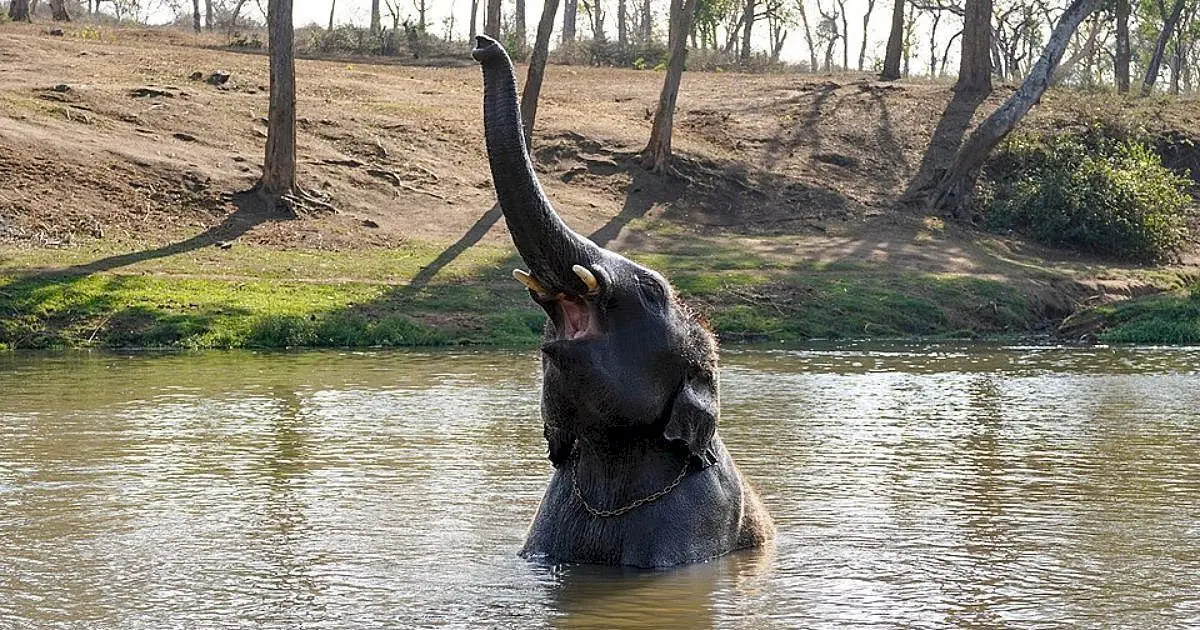
On World Elephant Day, India highlighted its status as home to the world’s largest wild Asian elephant population, with 33 reserves and 150 corridors. The Hindu reports on mahouts from indigenous communities,…
The Story in Brief
On World Elephant Day, India highlighted its status as home to the world’s largest wild Asian elephant population, with 33 reserves and 150 corridors. The Hindu reports on mahouts from indigenous communities, Kaatunaickers, Kurumbas, and Malasars, who care for captive elephants at the historic Theppakadu and Kozhikamuthi camps in Tamil Nadu. Using generations-old knowledge without hooks, these caretakers train and rehabilitate elephants, some for decades. The Theppakadu camp was featured in the Oscar-winning documentary The Elephant Whisperers.
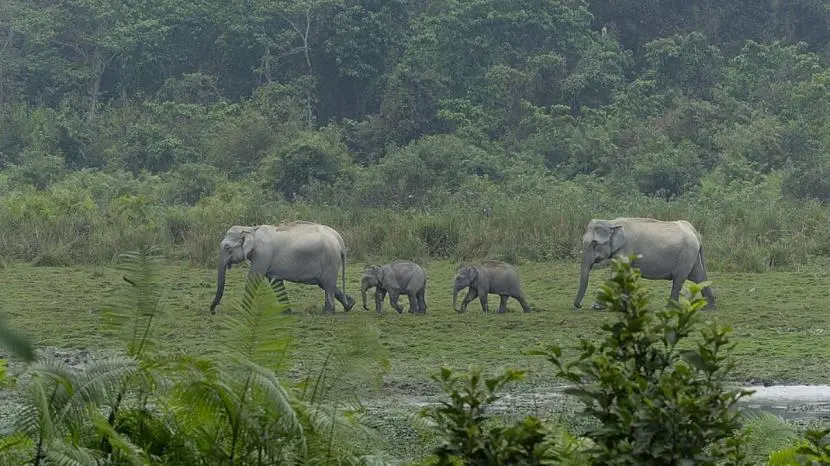
At Kozhikamuthi, Malasar mahouts use over 60 commands and share an intricate bond with elephants. Tribal communities provide generations of caretakers, earning national honours like the Gaj Gaurav Award. The camps combine traditional wisdom with modern upgrades, including a mahout village and visitor facilities.
The Indian Opinion
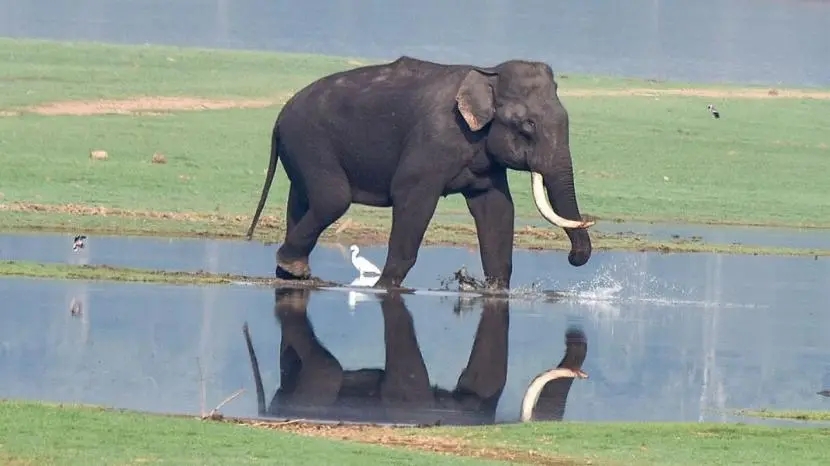
The celebration of World Elephant Day often emphasises science and technology, but the real guardians of India’s captive elephants are indigenous mahouts whose knowledge is passed down through families. Their methods, no hooks, patient commands, and lifelong dedication, deserve more than honorary mentions. The test will be whether state policies formally recognise and support these communities with pay, healthcare, and housing, not just on special days but every day.
Sources (2): rediff.com, thehindu.com
This story was synthesised by AI from the 2 sources linked above.
Updated: this story now draws on 2 sources.