



















Now Reading: Corrosion costs Indian economy Rs 14.15 lakh crore a year
-
01
Corrosion costs Indian economy Rs 14.15 lakh crore a year



India loses approximately Rs 14.15 lakh crore ($180 billion) annually to corrosion, equivalent to 4.3% of the country's GDP, according to a Nomura Research Institute report titled 'Built to Last'. The report says the loss exceeds the global average of 3.4% of GDP and that adopting global best practices in corrosion management could improve India's GDP by about 1.5%, saving nearly Rs 4.95 lakh crore ($63 billion) a year.

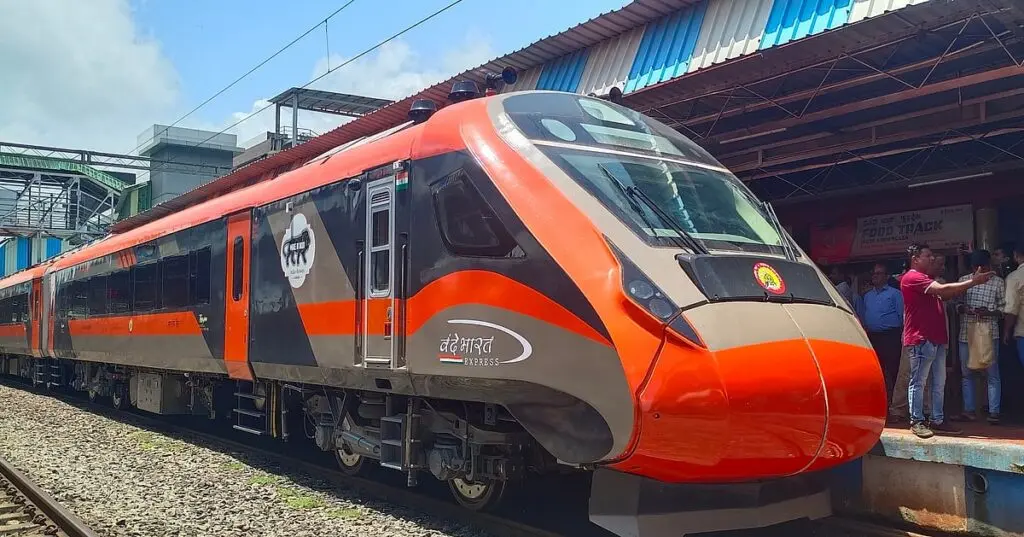
The power generation and transmission sector is the worst hit, with corrosion losses estimated at 10.1% of its sectoral GDP, Outlook Business reports. It is followed by telecommunications (3.8%), automobiles (3.0%) and railways (2.8%), IndianMandarins adds. Indian Railways alone loses about Rs 24,000 crore ($3 billion) annually. The report says infrastructure projects are implemented uniformly across India despite wide climatic variations, and that high humidity, coastline and industrial pollution accelerate deterioration.
The report recommends adopting lifecycle cost analysis for public projects instead of focusing only on upfront construction costs, strengthening BIS standards, and mandating stronger corrosion protection for steel-intensive sectors. It argues corrosion should be treated as an economic and policy issue, not just an engineering challenge. As India accelerates spending on roads, railways, housing and green energy under the Viksit Bharat vision, improving asset durability could significantly reduce long-term economic losses.
Indian Opinion Analysis
Both outlets report the same Nomura findings without editorialising. Outlook Business leads with the dollar figure ($180 billion) and links it to India's $4.2 trillion GDP and the Viksit Bharat target, giving the story an infrastructure-modernisation frame. IndianMandarins leads with the rupee figure (Rs 14.15 lakh crore) and emphasises climatic causes and uniform construction practices, framing corrosion as a design-and-policy failure. Neither source questions the report's methodology or offers an opposing view. A careful reader should note the 1.5% GDP savings figure is conditional on adoption of best practices, not a guaranteed benefit. What to watch: whether the government's next infrastructure push incorporates lifecycle costing mandates.
Coverage: 2 sources, 2 neutral
Sources (2): outlookbusiness.com (neutral report), indianmandarins.com (neutral report)
This story was synthesised by AI from the 2 sources linked above. Methodology and corrections.
Updated: this story now draws on 2 sources.