












Now Reading: India must shift from petro state to electro state, says official
-
01
India must shift from petro state to electro state, says official


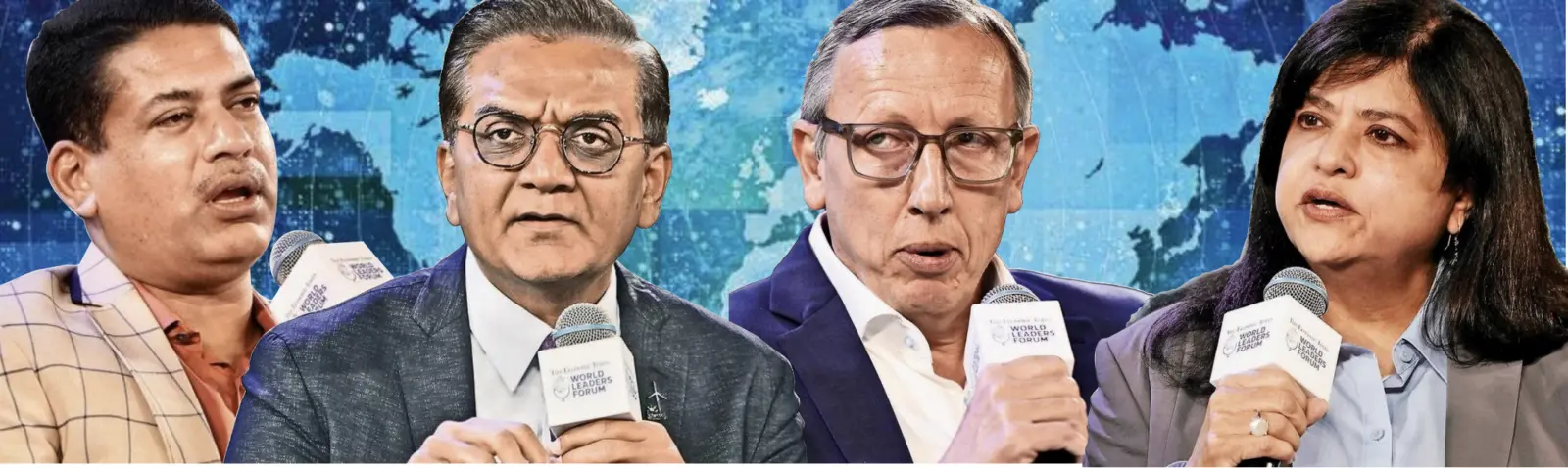
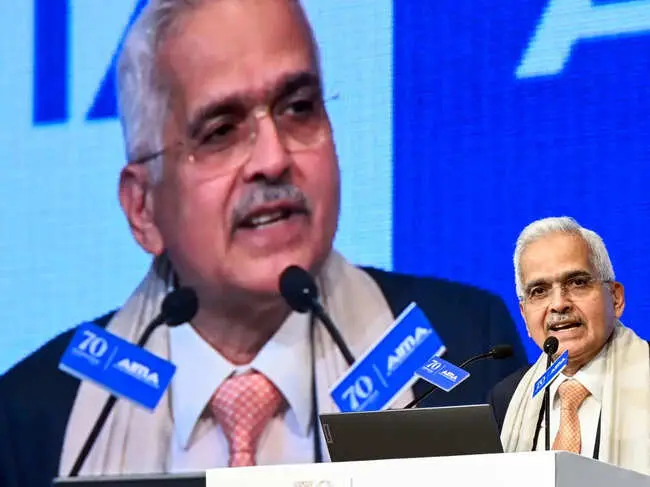
India's renewable energy secretary Santosh Kumar Sarangi said the country must transform from a "petro state" to an "electro state" by boosting electric vehicles, induction cooking and supply-side capacity. Speaking at the ET World Leadership Forum, he said non-fossil fuel capacity has crossed 300 GW and is on track to hit 500 GW by 2030, reducing import dependence.
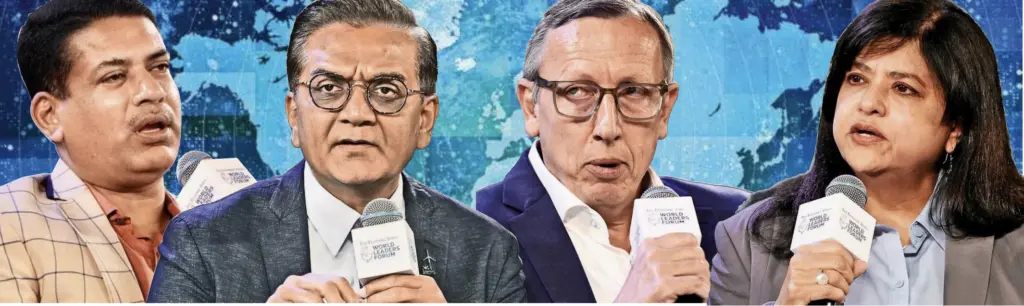
Suzlon Group co-founder Girish Tanti said India should raise its renewable targets further, noting that less than 10% of solar and 5% of wind potential has been used. He warned that financing remains a challenge as renewable projects need 30-year capital but most Indian lenders offer less than 10-year tenures. World Bank India director Paul Procee said the institution is shifting from financing generation to de-risking investments in grids, storage and manufacturing.
Sunita Kumar of Bajaj Energy highlighted the SHANTI Act, 2025 which opens the nuclear sector to private participation. Panellists said Solar Energy Corporation of India's recent tender for round-the-clock renewable power at ₹5.25/unit could prove a game changer for firm clean energy.
Indian Opinion Analysis
India's renewable energy push is not just an environmental goal but a strategic shift to reduce its vulnerability to global oil price shocks, which have historically strained the current account and the rupee. The 300 GW milestone is significant, yet the next 200 GW by 2030 requires a financing revolution: while solar and wind farms need 30-year capital, Indian banks' average liability tenure is under a decade. The new SHANTI Act's opening of nuclear power to private players is a break from decades of state monopoly, but faces hurdles in technology transfer, liability caps, and public acceptance. The real test is whether tariffs for round-the-clock renewable power can stay below the cost of imported coal-fired power, which sets India's wholesale electricity benchmark. Watch for the next SECI tender outcome and the pace of private nuclear investment announcements in 2026.
Source: economictimes.indiatimes.com
This story was synthesised by AI from the source linked above. Methodology and corrections.