




















Now Reading: India Targets Five Indigenous Small Modular Reactors by 2033
-
01
India Targets Five Indigenous Small Modular Reactors by 2033



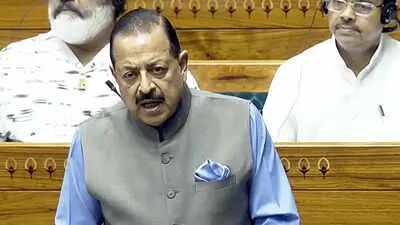
India aims to develop and operationalise at least five indigenous small modular reactors by 2033, Minister of State Jitendra Singh told the Lok Sabha in a written reply. The Bhabha Atomic Research…
The Story in Brief
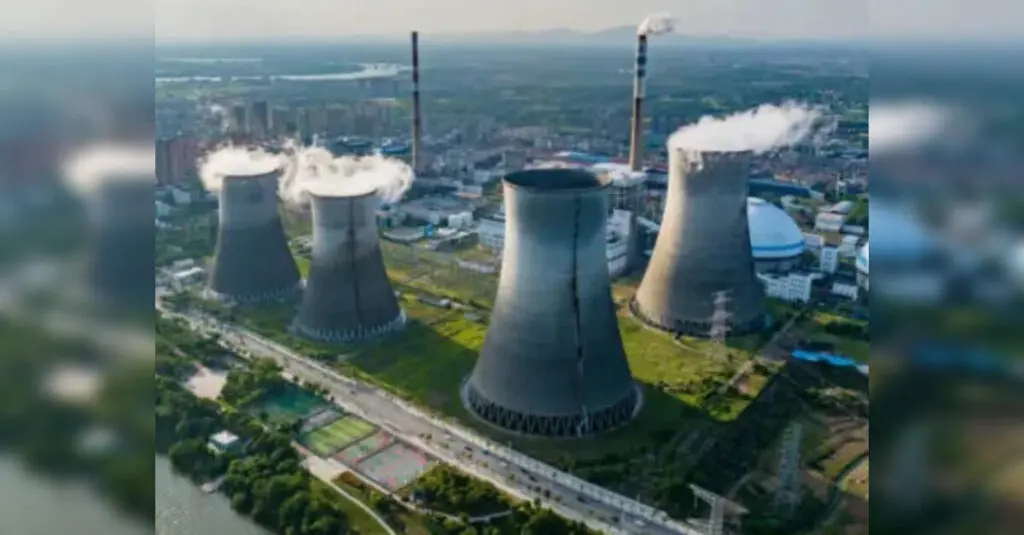
India aims to develop and operationalise at least five indigenous small modular reactors by 2033, Minister of State Jitendra Singh told the Lok Sabha in a written reply. The Bhabha Atomic Research Centre is designing the 220 MWe Bharat Small Modular Reactor and the 55 MWe SMR-55, besides a high-temperature gas-cooled reactor of up to 5 MW for possible hydrogen production.
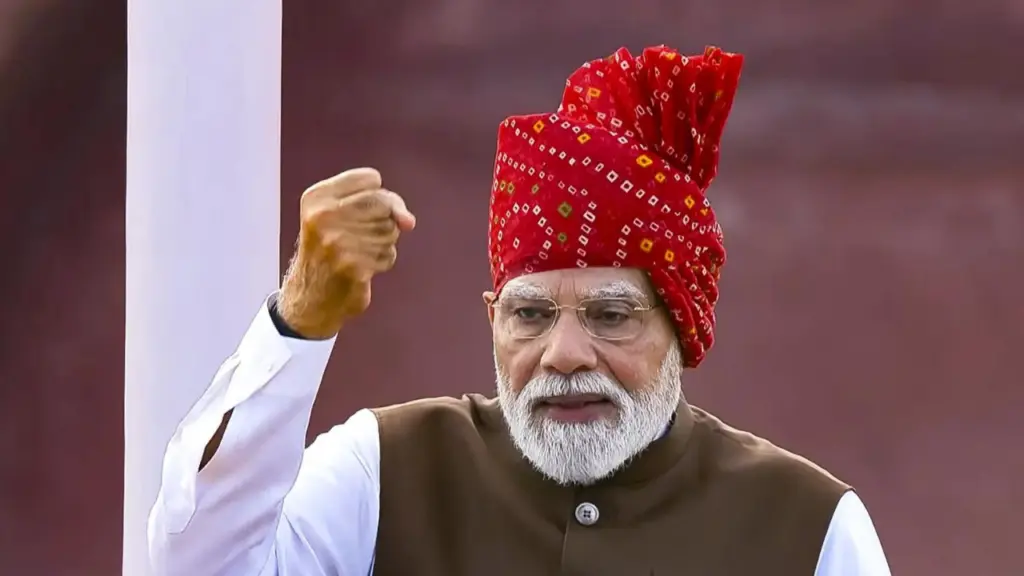
The Times of India reports that India plans to deploy large 700 MWe pressurised heavy water reactors alongside smaller reactors at retiring fossil-fuel plants, industrial sites and remote locations. Times Now News reports that Prime Minister Narendra Modi has set a target of 100 GW of nuclear power by 2047 and announced five new reactors. The SHANTI Act, 2025 allows wider public and private participation in the sector.
The Indian Opinion
Claims that small reactors alone will quickly solve India’s energy needs are premature, while blanket opposition to nuclear power ignores the need for reliable low-carbon electricity. The practical test is whether BARC can move its designs from research to safe, licensed construction, and whether the five-reactor target is backed by published timelines, costs and operating data before 2033.
Sources (2): timesofindia.indiatimes.com, timesnownews.com
This story was synthesised by AI from the 2 sources linked above.
Updated: this story now draws on 2 sources.