


















Now Reading: India must train own aviation workforce, not rely on foreign pilots: Naidu
-
01
India must train own aviation workforce, not rely on foreign pilots: Naidu

India must train own aviation workforce, not rely on foreign pilots: Naidu


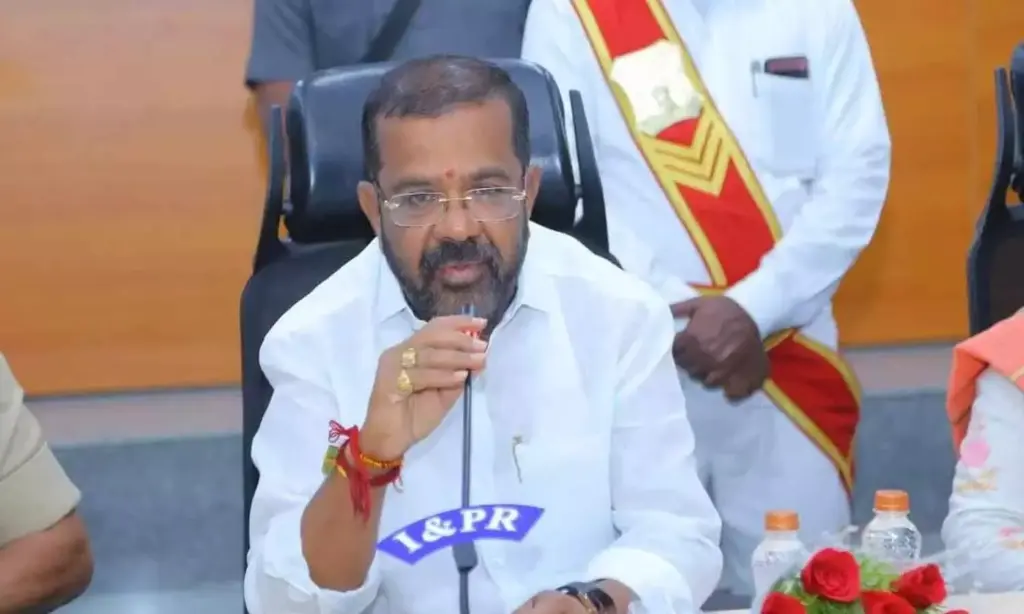
Civil Aviation Minister Ram Mohan Naidu has said India wants to train its own pilots and engineers rather than import a foreign workforce to meet the demands of the country's rapidly growing aviation sector. Chairing the ministry's Parliamentary Consultative Committee in Mysuru, the first such meeting held outside Delhi in a decade, Naidu said Indian airlines have placed aircraft orders at an unprecedented global scale, and those planes will need a skilled, safety-conscious workforce.

The committee also reviewed the transformation of the Indira Gandhi Rashtriya Uran Akademi (IGRUA) at Amethi, which has achieved a budget surplus for the first time after more than two decades of deficits. Aircraft utilisation at IGRUA has reached 1,765 flying hours per aircraft annually, above the global benchmark of about 1,500 hours. The number of Flying Training Organisations (FTOs) has risen from 32 in 2020 to 41 in 2026, with flying bases expanding from 32 to 63.
Naidu noted that India invested around Rs 10,000 crore in airport development and viability gap funding in the last ten years, and has awarded Rs 28,840 crore under the next phase of the UDAN regional connectivity scheme. The meeting was attended by Minister of State Murlidhar Mohol, senior civil aviation officials, and MPs including Mysuru MP Yaduveer Chamaraja Wadiyar.
Indian Opinion Analysis
The minister's push for self-reliance in pilot training comes as Indian carriers have ordered over 1,500 aircraft, deliveries stretching into the next decade. Currently, a significant number of pilots flying for Indian airlines hold foreign licences, especially from the US and Europe, because domestic FTOs struggled for years with capacity and high costs. IGRUA's turnaround from deficit to surplus signals that the government's investment in infrastructure and fleet expansion at the academy is yielding results. The key number to watch is the FTO count: the target of 63 flying bases by 2026 suggests the government aims to double pilot training throughput in the coming years.
Source: newindianexpress.com
This story was synthesised by AI from the source linked above. Methodology and corrections.