














Now Reading: India, Pakistan summon envoys after Arabian Sea naval collision
-
01
India, Pakistan summon envoys after Arabian Sea naval collision


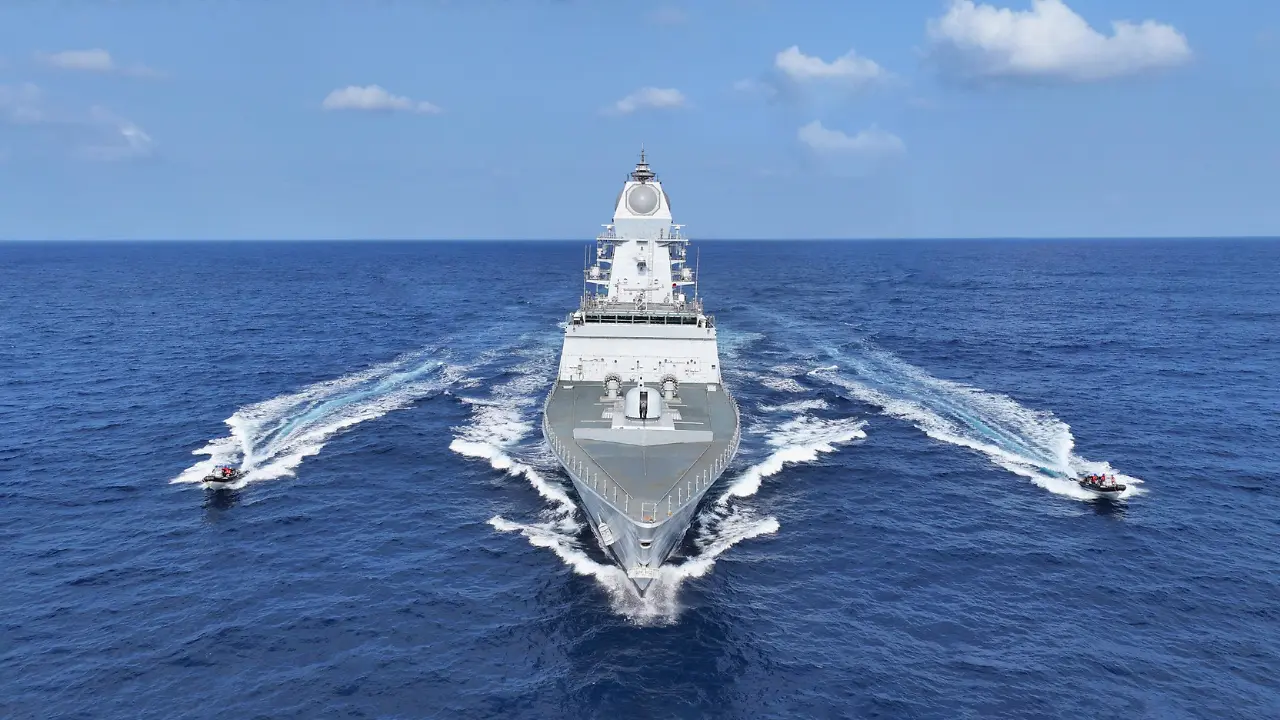
India and Pakistan summoned each other’s top diplomats on Wednesday after a Pakistani Navy vessel collided with an Indian warship in the Arabian Sea on September 15. India’s foreign ministry summoned Pakistan’s…
India and Pakistan summoned each other’s top diplomats on Wednesday after a Pakistani Navy vessel collided with an Indian warship in the Arabian Sea on September 15. India’s foreign ministry summoned Pakistan’s Charge d’Affaires Saad Ahmad Warraich in New Delhi and lodged a strong protest over what it called the “unacceptable and unprofessional conduct” of the Pakistani naval unit, which it said violated Article 10 of the 1991 bilateral agreement. This clause requires naval vessels to stay at least three nautical miles apart in international waters. The Indian warship suffered no significant damage, but the Pakistani vessel, PNS Hunain, was damaged.
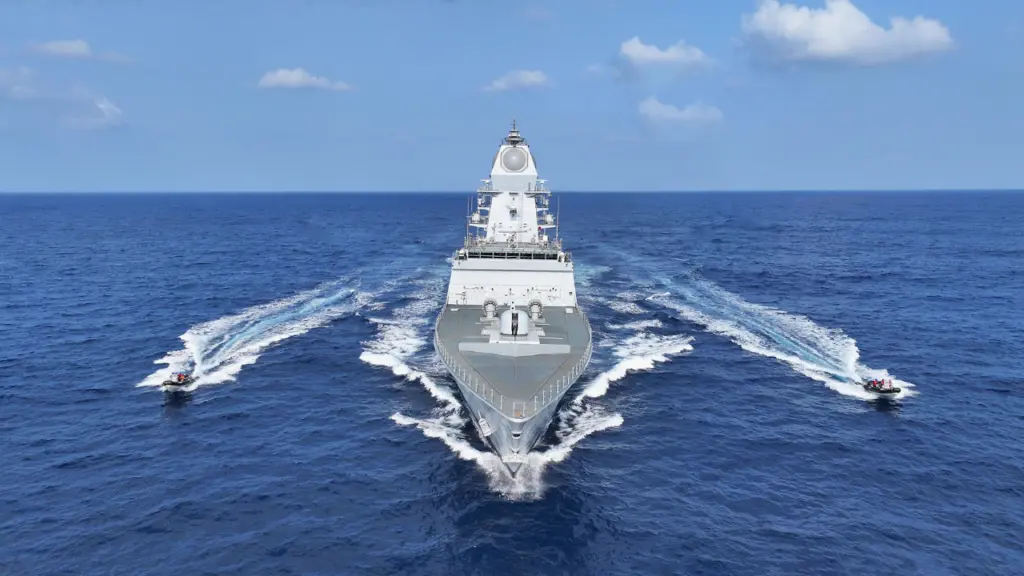
Hours later, Pakistan summoned India’s Charge d’Affaires in Islamabad and lodged its own protest. Pakistan’s foreign office said its navy was conducting its biennial exercise SEASPARK-26 in its exclusive economic zone when the Indian vessel carried out “aggressive manoeuvres” that caused the collision. It called this a “serious violation” of international law and the 1991 pact. The incident is the first known military confrontation between the two sides since a four-day conflict in May 2025 following the Pahalgam terror attack. Both sides have urged each other to adhere to bilateral agreements.
Indian Opinion Analysis
Times Now and Vajiram & Ravi anchor the story around the 1991 pact and grey-zone warfare, implying a deliberate Pakistani tactic. New Indian Express and BBC give equal weight to both countries’ competing claims, including Pakistan’s formal counter-protest. Deccan Herald offers a bare wire summary. The critical difference is framing intent: Indian sources treat the collision as a violation of a clear rule, Pakistan casts it as belligerent provocation. The balanced reading is a diplomatic standoff over a minor collision, not a consensus on facts. The next concrete step is each side’s response to the other’s protest note.
Coverage: 6 sources, 2 pro-government, 4 neutral
Sources (6): timesnownews.com (pro government), newindianexpress.com (neutral report), khaleejtimes.com (neutral report), deccanherald.com (neutral report), bbc.com (neutral report), vajiramandravi.com (pro government)
This brief was synthesised by AI from the 6 sources linked above, so one read covers every framing they carry.
Updated: this story now draws on 6 sources.