
















Now Reading: India readies exporters for EU carbon tax from 2027
-
01
India readies exporters for EU carbon tax from 2027


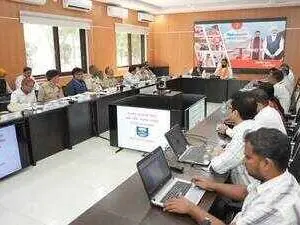
The Commerce Department has intensified preparations for Indian exporters ahead of the European Union's carbon tax regime under the Carbon Border Adjustment Mechanism (CBAM), which will require financial payments from 2027. An awareness session in New Delhi on Tuesday, attended by around 100 exporters and industry stakeholders, focused on emissions data collection, reporting, accreditation and verification. The outreach was organised with the National Accreditation Board for Certification Bodies and the Engineering Export Promotion Council.

CBAM currently covers six sectors: iron and steel, aluminium, fertilisers, cement, electricity and hydrogen. For Indian exporters, the mechanism could raise the cost of carbon-intensive exports to the EU and harm competitiveness, particularly for those lacking verified actual emissions data. EEPC India Chairman Pankaj Chadha stressed the need for robust verification systems to ensure compliance.
Under the definitive regime that began on January 1, 2026, EU importers must report embedded emissions annually and surrender CBAM certificates. The first annual declaration and certificate surrender, covering 2026 imports, is due by September 30, 2027.
Indian Opinion Analysis
The EU's CBAM is a carbon-pricing mechanism that will levy a tax on imports equivalent to what EU producers pay under the bloc's emissions trading system. India's steel and aluminium exports to the EU, valued at roughly Rs 1.5 lakh crore annually, face the highest exposure. Without verified emissions data, Indian exporters will default to a default carbon intensity calculation, likely far higher than actual emissions, making the tax much costlier. The Commerce Department's push now aims to build a domestic verification ecosystem before the first financial payments in 2027. The key number to watch is whether India can set up accredited verification bodies at scale by September 2027.
Source: thehindubusinessline.com
This story was synthesised by AI from the source linked above. Methodology and corrections.