







Now Reading: Track-2 talks with Pakistan are private, says MEA in Parliament
-
01
Track-2 talks with Pakistan are private, says MEA in Parliament


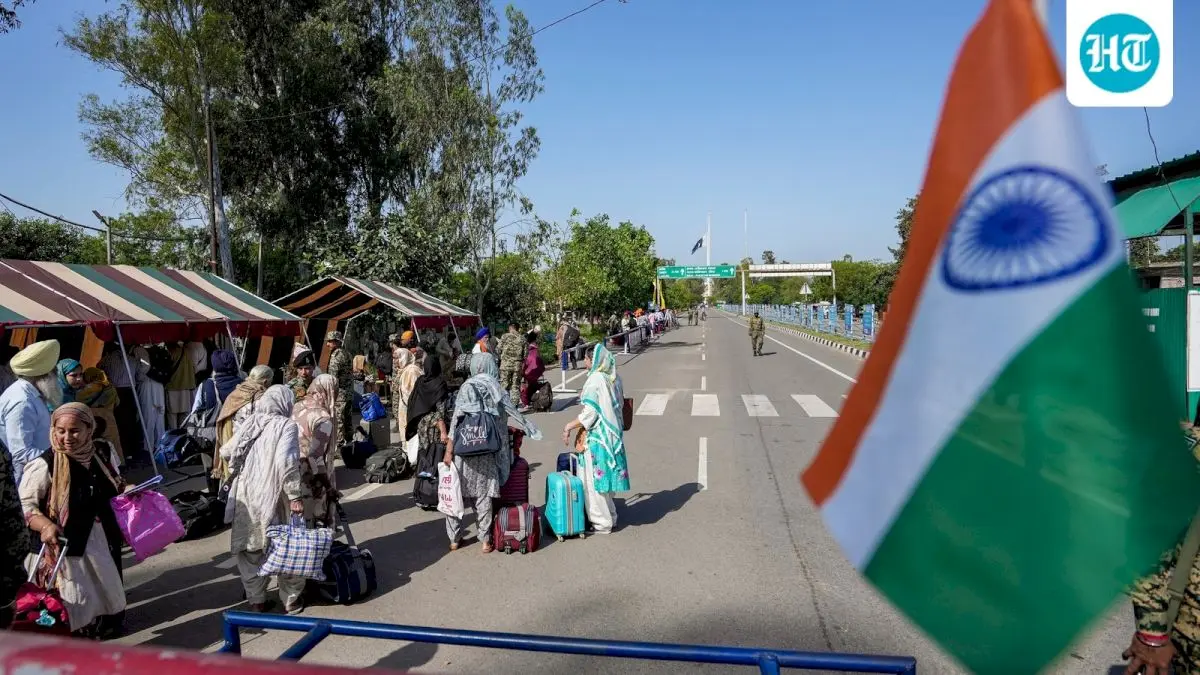
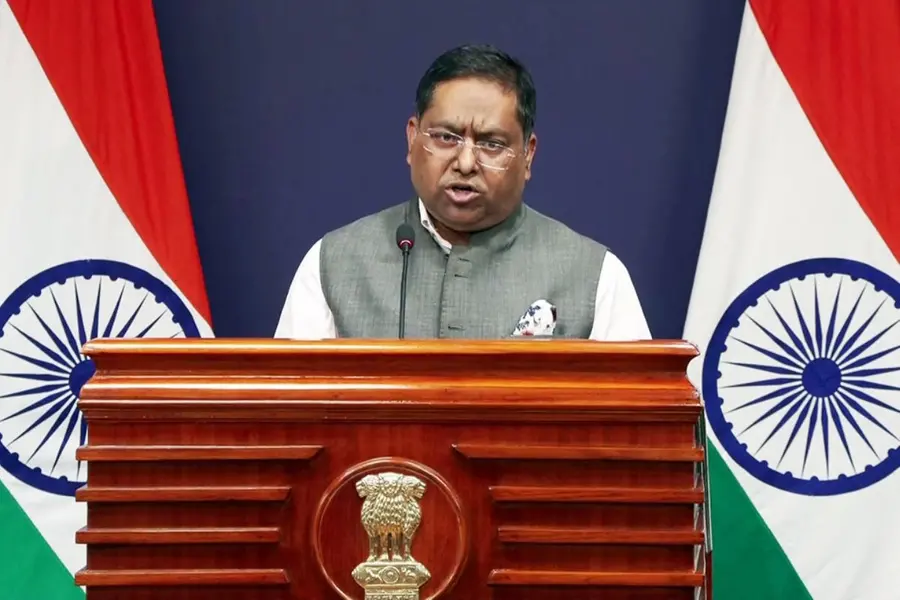
The Indian government has told Parliament that Track-2 dialogues with Pakistan are outside its purview, and participants engage in a private capacity. Minister of State for External Affairs Kirti Vardhan Singh said…
The Story in Brief
The Indian government has told Parliament that Track-2 dialogues with Pakistan are outside its purview, and participants engage in a private capacity. Minister of State for External Affairs Kirti Vardhan Singh said the views expressed in such interactions do not reflect the government's position. He was responding to a Rajya Sabha question from Leader of Opposition Mallikarjun Kharge.
Singh also confirmed that India continues to hold the Indus Waters Treaty in abeyance after the Pahalgam terror attack in April 2025. The treaty will remain suspended, he said, "until Pakistan credibly and irrevocably abjures its support for cross-border terrorism." India and Pakistan still maintain diplomatic missions in each other's capitals and have limited functional engagements, including DGMO-level talks and exchanges of nuclear installation lists.
The Indian Opinion
The MEA's statement that Track-2 dialogues are private sidesteps a real awkwardness. Retired generals and diplomats participating in such talks invariably carry the implicit weight of their former offices. The real test is not the disclaimer but the outcome: will the Indus Waters Treaty stay in abeyance until Pakistan credibly acts against cross-border terror? That single, hard condition is what the public should watch, not the label on the dialogue.
Sources (2): hindustantimes.com, greaterkashmir.com
This story was synthesised by AI from the 2 sources linked above.
Updated: this story now draws on 2 sources.