















Now Reading: India’s senior living market to cross Rs 1 lakh crore by 2030
-
01
India’s senior living market to cross Rs 1 lakh crore by 2030



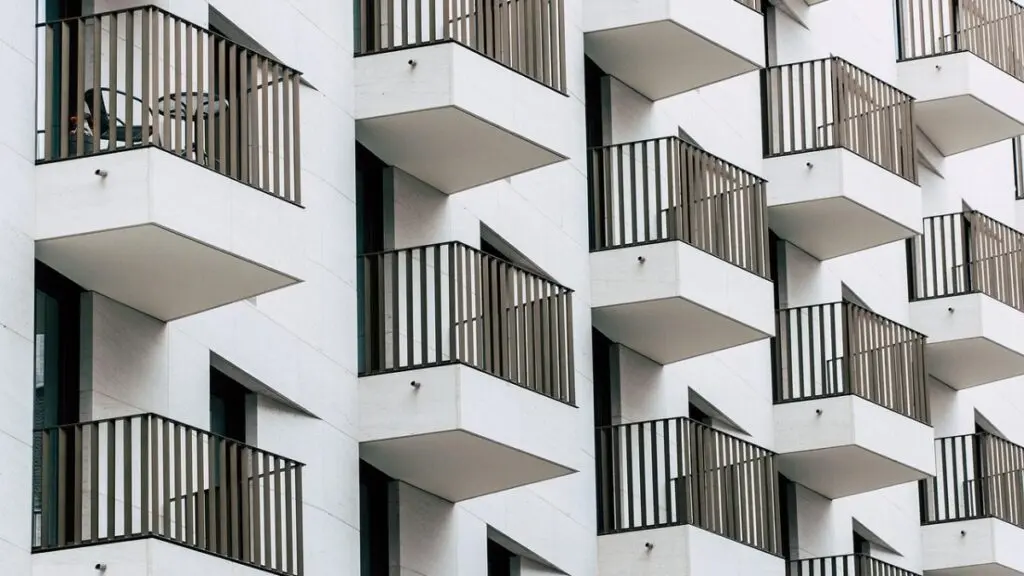
India's senior living market is projected to grow from around Rs 30,000 crore to over Rs 1 lakh crore by 2030, according to a Colliers report. The Times of India reports that organised senior living inventory could quadruple from 25,000 units currently to about 1 lakh units by 2030, with more than Rs 13,000 crore in investments announced since 2025 expected to be deployed over the next three to four years.
Business Today adds that the market is shifting from need-based housing to a lifestyle choice, with seniors seeking healthcare, wellness, recreation and community living. The report estimates current demand at 20-22 lakh units, potentially rising to 28-30 lakh units by 2030, while organised supply remains limited, pushing penetration from 1.3% to nearly 4%.
Both sources note that 30-40% of new projects are expected in Tier II and III cities and spiritual hubs such as Coimbatore, Dehradun and Ayodhya. Developers are integrating telemedicine, remote health monitoring and AI-enabled emergency systems, and stronger regulatory frameworks under RERA are expected to bring standardisation.
Indian Opinion Analysis
Both sources present the Colliers report as straight business news with no political or ideological slant. The Times of India leads with the market size and investment numbers, while Business Today adds more developer quotes framing senior living as a lifestyle shift. Neither source criticises government policy or highlights regulatory gaps beyond mentioning RERA compliance. The coverage is uniformly promotional of the sector's growth, with no dissenting views on affordability or quality of care. Readers should note that the supply-demand gap remains vast: organised supply may reach only 1 lakh units against demand of 28-30 lakh, implying most seniors will still rely on unorganised housing. Watch for actual project launches in Tier II cities over the next two years as the test of this forecast.
Coverage: 2 sources, 2 neutral
Sources (2): timesofindia.indiatimes.com (neutral report), businesstoday.in (neutral report)
This story was synthesised by AI from the 2 sources linked above. Methodology and corrections.
Updated: this story now draws on 2 sources.