



















Now Reading: India targets 600 MT steel capacity by 2047, new policy soon
-
01
India targets 600 MT steel capacity by 2047, new policy soon


India's new National Steel Policy targets 600 million tonnes of steelmaking capacity by 2047, up from the current 220 million tonnes, steel secretary Sandeep Poundrik said Tuesday. The draft policy, reviewed by…
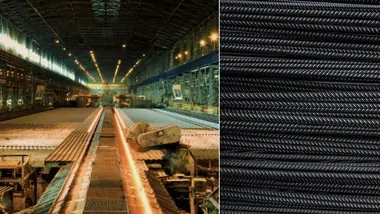
India's new National Steel Policy targets 600 million tonnes of steelmaking capacity by 2047, up from the current 220 million tonnes, steel secretary Sandeep Poundrik said Tuesday. The draft policy, reviewed by Reuters, also aims to cut the sector's carbon emission intensity to 1.54 tonnes of CO2 per tonne of crude steel from 2.54 tonnes, in line with India's net zero goal for 2070. The policy will be released publicly soon.
India was a net importer of finished steel in April-August, importing 3.5 million tonnes, up 29.5% from a year ago, with China accounting for 31.8% of these imports. Poundrik said raw material availability and exports are major challenges. The policy plans to secure iron ore and coking coal through foreign assets and joint ventures. CNBC-TV18 reports the policy will also focus on curbing cheap imports and boosting specialty steel for defence and aerospace.
Indian Opinion Analysis
Livemint's wire-led report foregrounds the steel secretary's policy details, capacity target, emission cuts, raw-material plans, and frames the sector's challenges (net importer, rising prices, trade barriers) as neutral data points. CNBC-TV18's social-media post, by contrast, omits the import and price crunch entirely and leads curb cheap imports as a policy goal, giving the announcement a protectionist, pro-industry gloss. Both cover the same 600 MT ambition, Livemint's fuller picture reveals the gap between capacity and competitiveness. The draft policy's release date and its provisions on coking coal and iron ore will test whether the target translates into actionable raw-material strategy.
Coverage: 2 sources, 1 right-leaning, 1 neutral
Sources (2): livemint.com (neutral report), linkedin.com (right leaning)
This brief was synthesised by AI from the 2 sources linked above, so one read covers every framing they carry.