



Now Reading: India tells UN human rights not a tool for political pressure
-
01
India tells UN human rights not a tool for political pressure


The Story in Brief
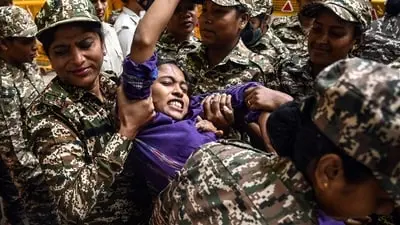
India has told the United Nations that human rights must not be used as an instrument of political pressure or selective targeting of countries, responding to a statement from more than 20 UN human rights experts who raised alarm over what they called a repeatedly heavy-handed police response to youth-led protests in New Delhi.
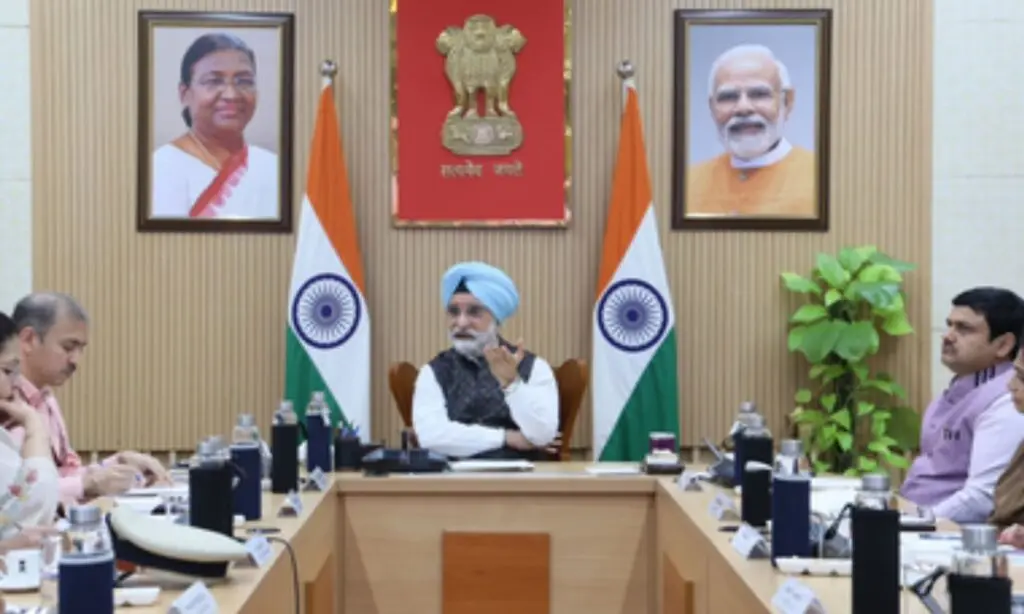
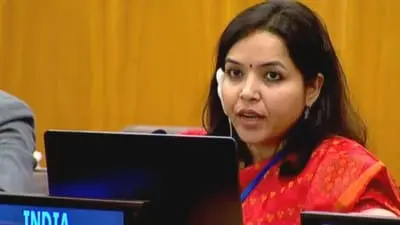
Deputy secretary in the ministry of external affairs Barkha Tamrakar, speaking at the UN General Assembly’s Third Committee on Tuesday (20 October 2026), said India remains willing to address specific, properly documented cases through established channels but opposes attempts to turn unverified allegations, incomplete statistics or a report containing no country observation on India into a negative characterisation of the world’s largest democracy. The UN experts have called for an independent investigation into the conduct of law enforcement agencies, citing allegations of excessive force, arbitrary detentions, restrictions on peaceful assembly and the targeting of student activists.
Business Standard reports that opposition parties and student groups have been demanding the resignation of Chief Election Commissioner Gyanesh Kumar over a revision of voter lists, which they say has led to 130 million names being removed and disproportionately affects poor and Muslim communities, a charge the Election Commission denies.
Update, 21 October 2026: Business Standard reports that the UN experts' statement also cited opposition demands for the resignation of Chief Election Commissioner Gyanesh Kumar over a voter-list revision that has removed 130 million names, and referenced mass protests in the summer over exam-paper leaks that led to the education minister's resignation, context the other outlets did not include.
Indian Opinion Analysis
The six outlets agree on the core facts, Barkha Tamrakar’s UN statement on Tuesday (20 October 2026) and the UN experts’ separate call on the same day for an independent investigation into police conduct during youth-led protests in New Delhi. The framing split is less about what happened and more about the balance of space each outlet gives to each side. Hindustan Times, Rediff and India Today lead with and quote India’s pushback at length, while giving the UN experts’ concerns a few paragraphs later. National Herald India and Orissa Post devote nearly equal space to India’s defence and the UN experts’ allegations, and also mention domestic opposition criticism.
Coverage: 6 sources, 6 neutral
Sources (6): hindustantimes.com (neutral report), rediff.com (neutral report), nationalheraldindia.com (neutral report), orissapost.com (neutral report), indiatoday.in (neutral report), business-standard.com (neutral report)
This brief was synthesised by AI from the 6 sources linked above, so one read covers every framing they carry. Methodology and corrections.