














Now Reading: India tops SAARC childhood cancer cases, study finds
-
01
India tops SAARC childhood cancer cases, study finds


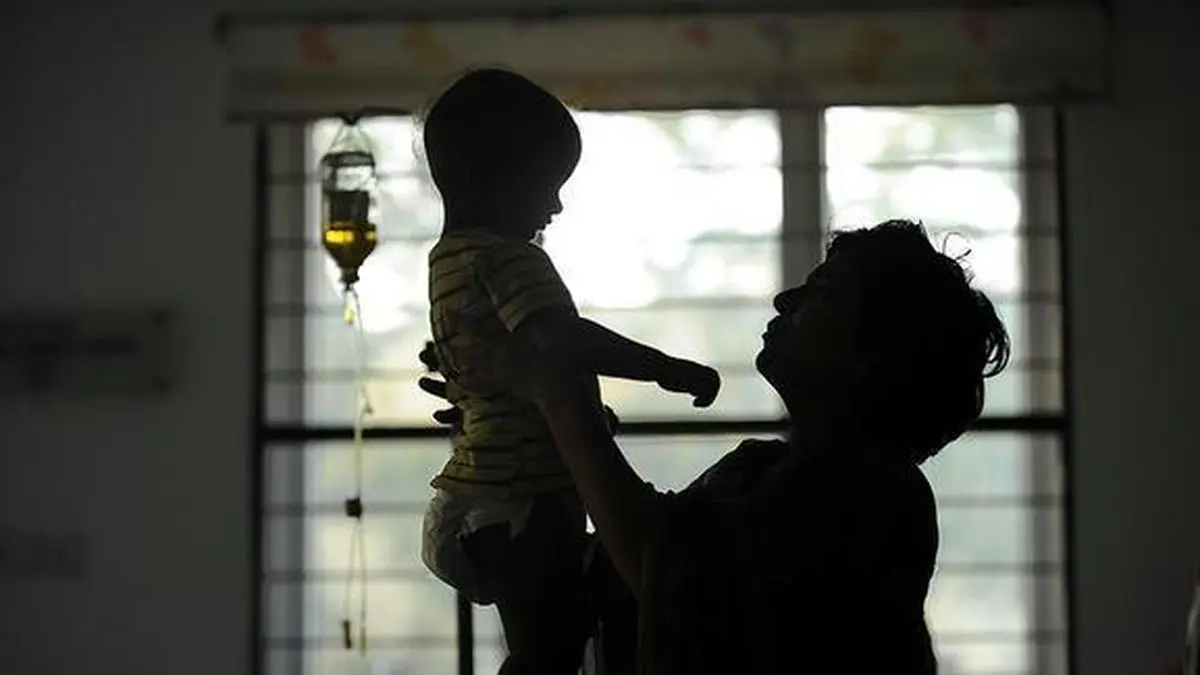
India accounted for 25,939 of an estimated 37,716 new childhood cancer cases in the SAARC region in 2022, a study in The Lancet Regional Health Southeast Asia shows. The study estimated 17,698 deaths annually across the region. Leukaemia was the most common cancer, accounting for 35-50% of cases, followed by central nervous system tumours at about 12%.
The GLOBOCAN 2022 data, which combines cancer-registry data and modelling, may not capture every case due to gaps in registration, particularly in rural areas. Oncologists say better reporting as healthcare expands has increased case identification, but many cases still go unrecorded. Earlier estimates based on the 2011 Census suggested up to 76,805 children and adolescents could develop cancer each year in India.
While cure rates for childhood cancers can reach 80-90% with early diagnosis and treatment, cure rates remain uneven in India. Delayed diagnosis, treatment abandonment due to financial constraints, and limited access to specialised care mean less than 30% of children are cured in most low- and middle-income countries, compared to over 80% in high-income countries.
Indian Opinion Analysis
The gap between India's treatment capability and its reach is stark: while major hospitals in cities achieve cure rates matching the best globally, the majority of India's 380 million children live where specialised paediatric oncology is absent. The Ayushman Bharat cover of Rs 5 lakh per family helps with initial treatment, but relapse costs often exceed that cap, pushing families into debt or abandonment of care. Without a mandatory childhood cancer registry, the government cannot accurately plan where to build paediatric oncology units or train specialists. The next number to watch is whether the National Cancer Registry Programme, which currently covers only about 10% of the population, expands to rural districts in the next five-year plan.
Under the National Health Policy 2017, the government committed to strengthening tertiary cancer care centres, but the focus remains on adult cancers.
Source: thehindu.com
This brief was synthesised by AI from the source linked above. Methodology and corrections.