











Now Reading: India accounts for 7 in 10 childhood cancer cases in SAARC
-
01
India accounts for 7 in 10 childhood cancer cases in SAARC


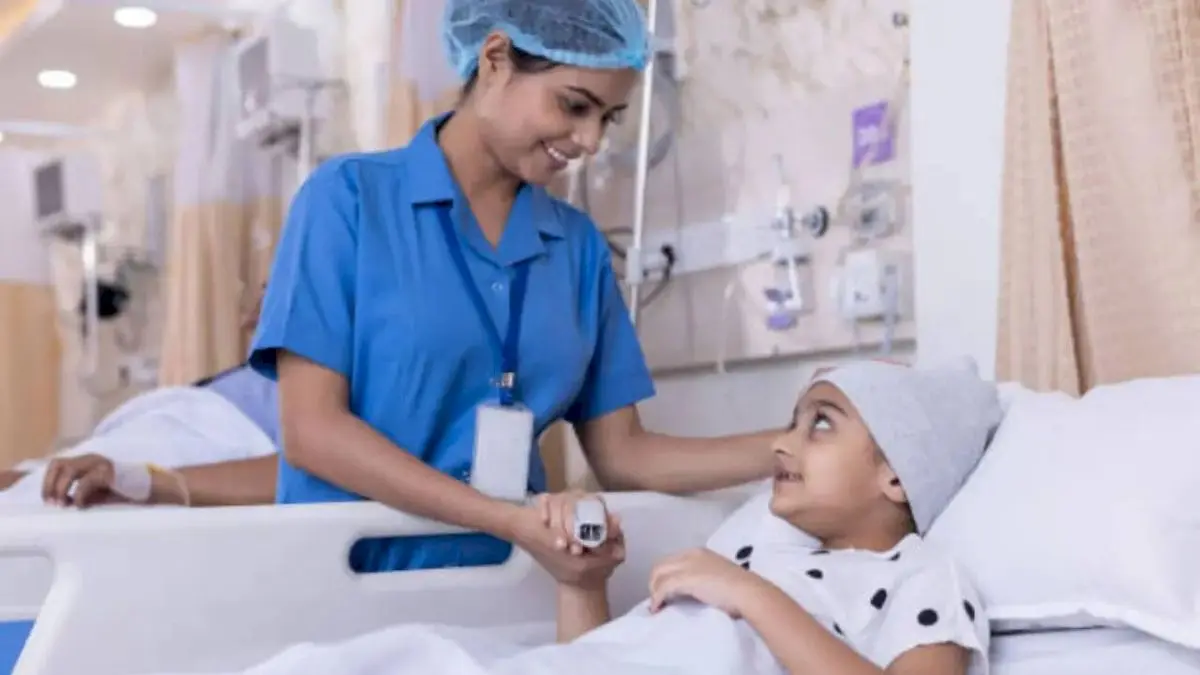
India accounted for 68.8% of estimated childhood cancer cases across the eight SAARC countries in 2022, with 25,939 new cases out of a regional total of 37,716, according to a population-based analysis…
The Story in Brief
India accounted for 68.8% of estimated childhood cancer cases across the eight SAARC countries in 2022, with 25,939 new cases out of a regional total of 37,716, according to a population-based analysis in The Lancet Regional Health, Southeast Asia. Pakistan followed with 7,841 cases, or 20.8% of the total. Researchers caution that population size, uneven cancer registration, diagnosis gaps and unequal healthcare access all influence the numbers.
Leukaemia is the most common childhood cancer region-wide, accounting for 35-50% of cases, while CNS tumours make up about 12%. Mortality-to-incidence ratios vary sharply, from 0.30 in Sri Lanka to 0.57 in Afghanistan, reflecting differences in diagnosis, treatment access and continuity of care. WHO data show that more than 80% of children with cancer survive in high-income countries but fewer than 30% survive in many low- and middle-income nations.
The Indian Opinion
Commentators who see India's 68.8% share of SAARC childhood cancer cases as proof of a uniquely Indian health crisis are ignoring arithmetic. India has roughly 70% of the region's children, so the raw number matches population size. The real story is the wide gap in survival: Sri Lanka's mortality-to-incidence ratio is 0.30 against Afghanistan's 0.57. That is not a census effect; it reflects who gets diagnosed early and treated continuously. The test will come when India's expanded cancer registries show whether detection is outpacing treatment capacity.
Source: timesnownews.com
This story was synthesised by AI from the source linked above.