














Now Reading: India wastes Rs 48,000 crore a year on expired and unused drugs
-
01
India wastes Rs 48,000 crore a year on expired and unused drugs


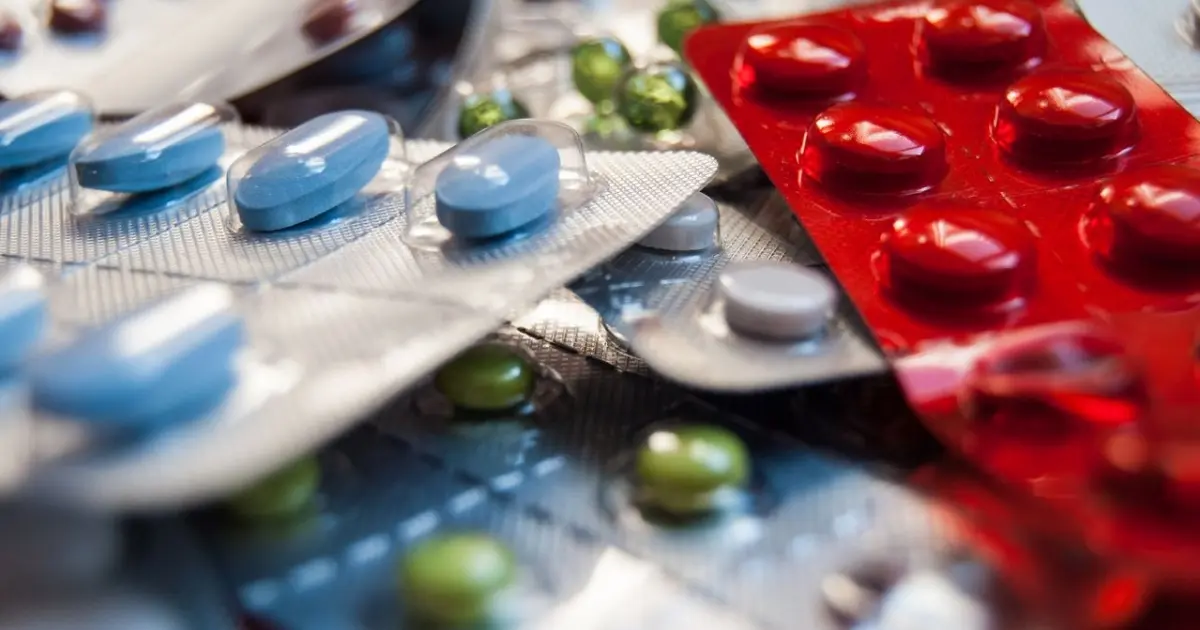
India's pharmaceutical sector loses about $5 billion (Rs 48,000 crore) annually to expired, unused, and substandard medicines, according to a July report by Primus Partners. The losses stem from the absence of mandatory recall systems, medicine take-back mechanisms, digital traceability, and reverse logistics infrastructure.
The largest share, $2.1 billion to $3.15 billion, comes from unused household medicines. Government stock expiry and overstocking account for $317.3 million, while substandard and spurious drugs cause losses of $735.3 million to $892.9 million. Treatment failures add another $525.2 million to $945.4 million. The total represents about a quarter of India's $21.15 billion pharmaceutical consumption in fiscal 2023-24.
Indian regulators can order drug recalls but are not legally required to do so under specific circumstances, according to a separate legal guide. The Consumer Protection Act allows the Central Consumer Protection Authority to order recalls, but does not mandate it. Harm from drugs is typically addressed through product liability claims after patients are affected, rather than through preemptive withdrawals.
Indian Opinion Analysis
The absence of mandatory recall provisions means India relies on post-harm litigation rather than preventive withdrawal, unlike the US FDA which can enforce recalls. The Rs 48,000 crore figure is about 1.6 times the annual budget of the health ministry. A national take-back system would require coordination between state drug controllers, municipal waste management, and manufacturers. The Drugs and Cosmetics Act is under review, but a draft Bill has not mandated recalls. The next step is to watch whether the government introduces recall-specific clauses in the pending Drugs, Medical Devices and Cosmetics Bill.
Source: healthcareasiamagazine.com
This story was synthesised by AI from the source linked above. Methodology and corrections.