

















Now Reading: Over half of TB prescriptions outside national programme faulty: study
-
01
Over half of TB prescriptions outside national programme faulty: study

Over half of TB prescriptions outside national programme faulty: study

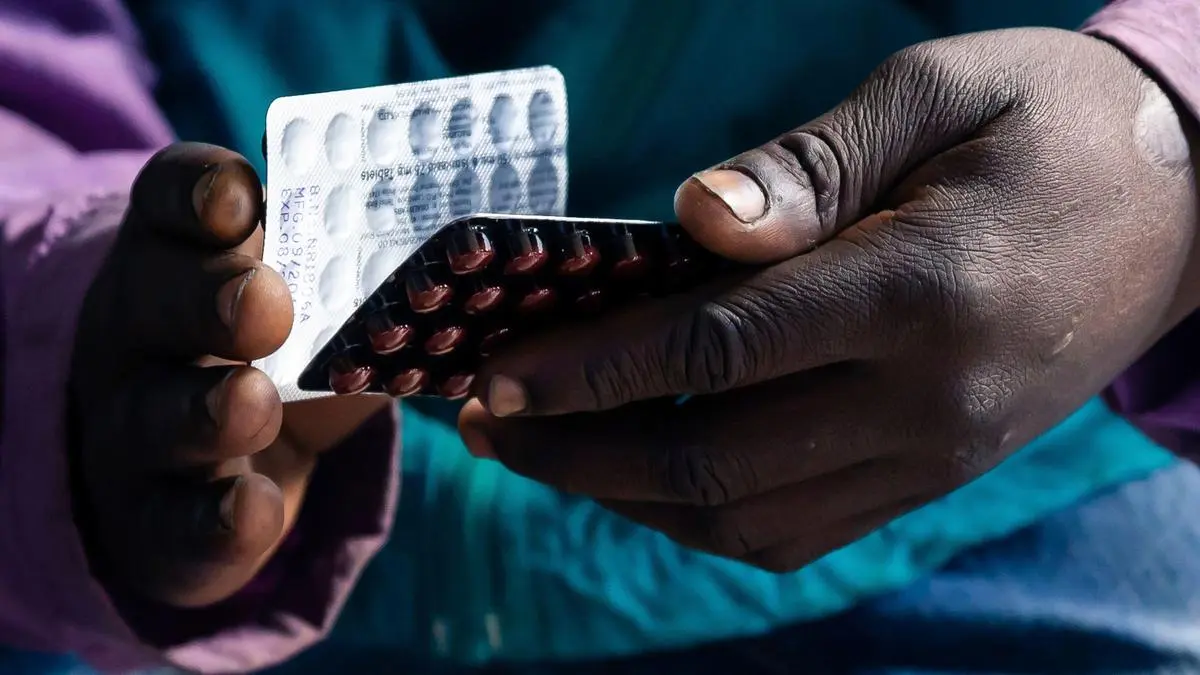
More than one in two anti-tuberculosis prescriptions in healthcare settings outside India's National Tuberculosis Elimination Programme (NTEP) do not follow recommended treatment standards, according to a systematic review and meta-analysis published in the Indian Journal of Tuberculosis. The PRAMAN India study analysed 34 studies between 1991 and 2024 covering 3,834 treatment records, finding a pooled faulty prescription prevalence of 53.3%.

Researchers estimate that 2 to 3 million anti-TB prescriptions could be incorrect annually in India's non-programmatic healthcare sector, translating to roughly four to five faulty prescriptions every minute. States with the highest TB case notifications, including Uttar Pradesh, Maharashtra, Madhya Pradesh, Gujarat and Delhi, recorded faulty-prescription rates above the overall crude prevalence of 50.8%.
The study found a significant long-term decline in faulty prescribing, with crude prevalence falling from 68.6% in 1990-1999 to 32.6% during 2020-2024. Machine-learning modelling projects a prescription error rate of 49.7% for 2025-2030. The researchers recommend strengthening links between private providers and NTEP, including audits, digital tools and continuing medical education.
Indian Opinion Analysis
The scale of faulty TB prescriptions outside the NTEP threatens India's goal of eliminating TB by 2025. The private sector treats an estimated 40-50% of TB patients, yet remains loosely integrated with the national programme. Faulty prescribing, wrong drug combinations, doses or durations, directly fuels drug-resistant TB, which costs Rs 1-2 lakh per patient to treat versus Rs 5,000 for drug-sensitive TB. The study's finding that prescription quality improved by roughly 1.4 percentage points annually suggests that past NTEP outreach efforts have worked, but the pace is too slow. India's next step is due in March 2025, when the government reports its TB incidence estimates and can show whether the private-sector link has tightened.
Source: thehindu.com
This story was synthesised by AI from the source linked above. Methodology and corrections.