











Now Reading: Retractions alone fail to fix India’s flawed research record
-
01
Retractions alone fail to fix India’s flawed research record


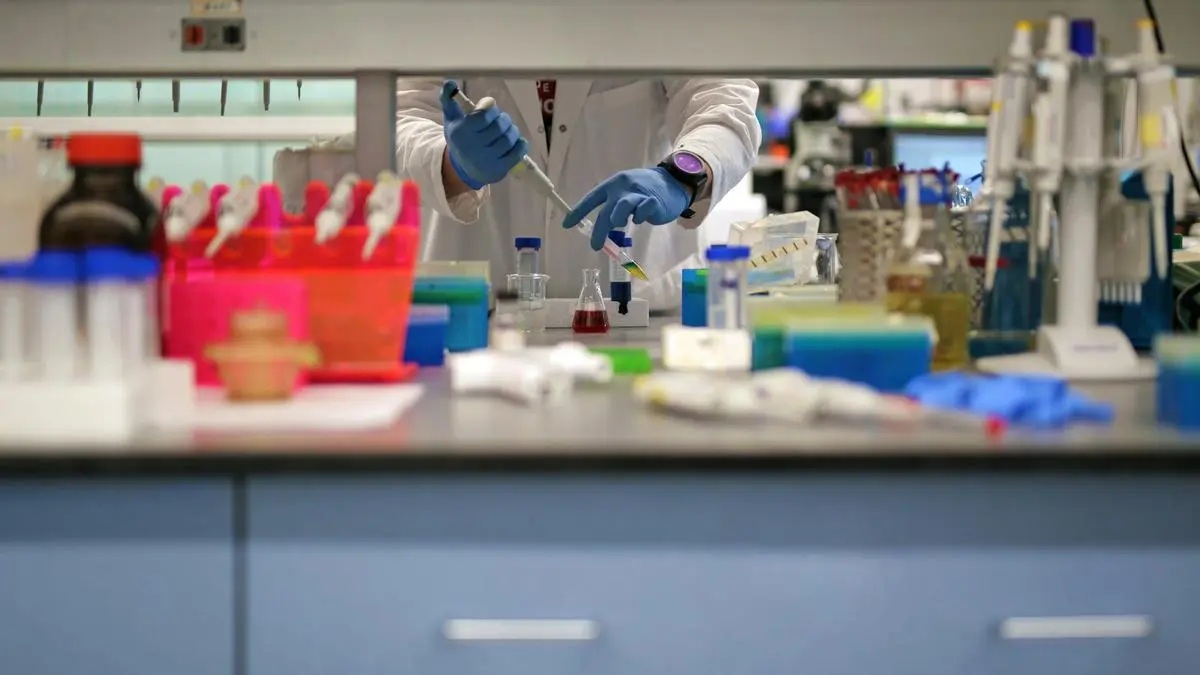
More research papers are being retracted than ever before, but merely withdrawing a faulty paper does not correct the scientific record because other researchers keep citing it. A 2026 study by Tumkur University scholars analysed over 12,000 citations of Indian government-funded papers that were later retracted and found that 30% of those citations happened after retraction. Nearly 64% of second-generation papers that cited retracted work were self-citations by the same authors.

Experts say many early-career researchers are unaware of responsible citation practices. Retraction notices are often unclear and rarely reach the author's institution in India. Gagandeep Kang of CMC Vellore said the scientific system must learn why a flawed paper passed peer review instead of simply removing it. India Research Watch founder Anchal Agrawal warned that retracted studies may continue influencing AI-generated responses unless those models are updated to flag them.
Indian Opinion Analysis
India produces the third-largest number of research papers globally, but the National Research-Integrity Guidelines, framed in 2019, lack a centralised tracking system. Retractions have risen sharply over four decades, yet most institutions have no designated office to manage them. The cascading retraction effect, where retracted papers continue to be cited by later retracted studies, wastes taxpayer money from bodies like the Department of Science and Technology. As AI tools like ChatGPT increasingly cite scientific literature, a retracted paper could keep influencing responses unless publishers and tech firms agree on a shared retraction database. Watch for whether the Science and Engineering Research Board mandates annual retraction reporting by all funded labs.
Source: thehindu.com
This story was synthesised by AI from the source linked above. Methodology and corrections.